How Portland's Rising Electric Bills Are Changing the Solar Conversation in 2026
Rising electric bills in Portland are shifting homeowner interest toward solar and battery backup in 2026. Learn practical steps Oregon homeowners can take to save money and increase resilience.
Why Portland's rising electric bills are changing the solar conversation in 2027
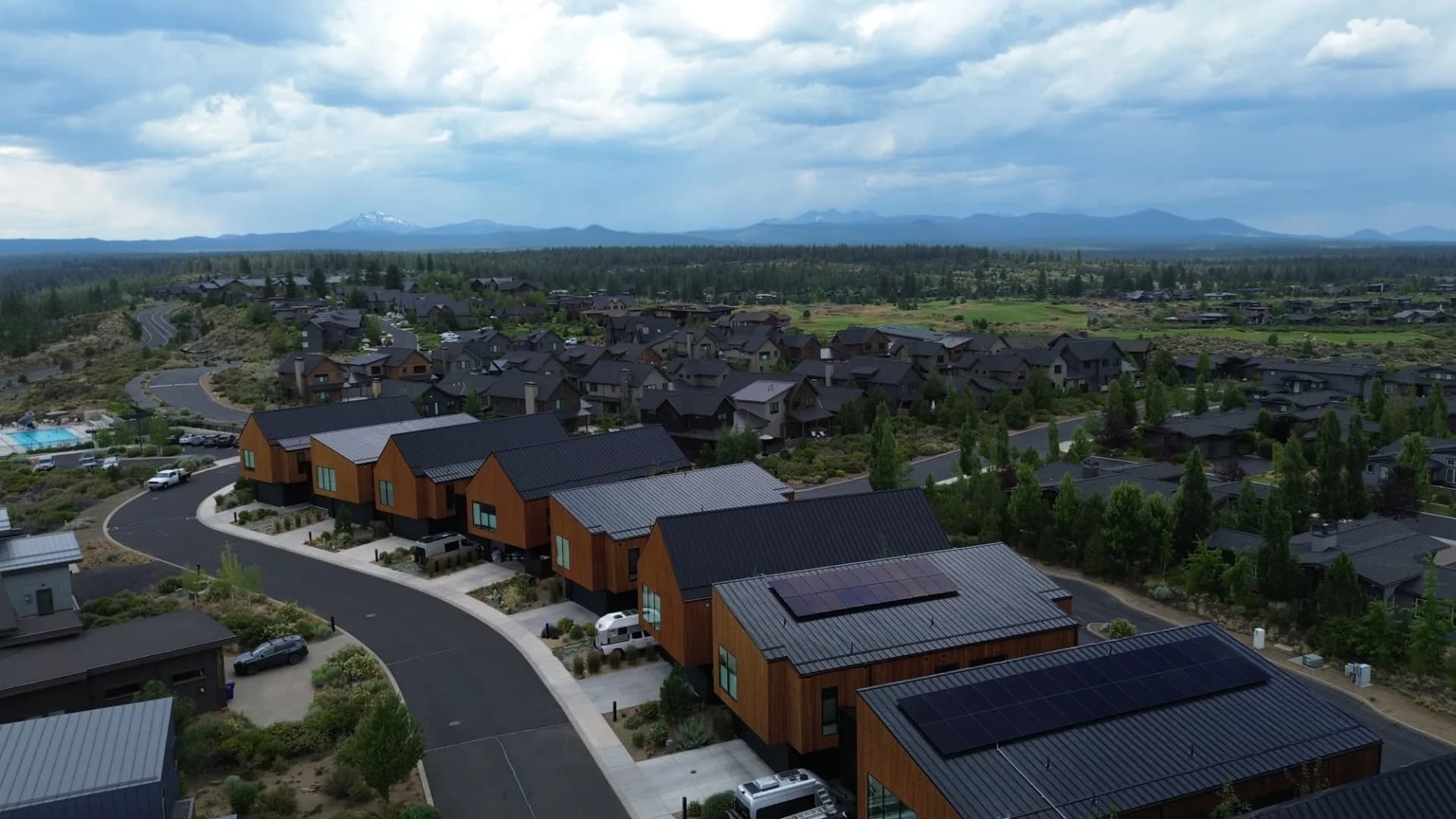
Across Oregon, including Portland, higher utility costs and evolving rate structures have shifted how homeowners think about solar. The headline phrase — Portland's Rising Electric Bills Are Changing the Solar Conversation in 2026 — reflects a practical reality: many homeowners are now weighing solar not just as an environmental choice, but as a financial and resilience strategy.
What's driving the discussion now?
A few trends are moving the needle for Portland-area homeowners:
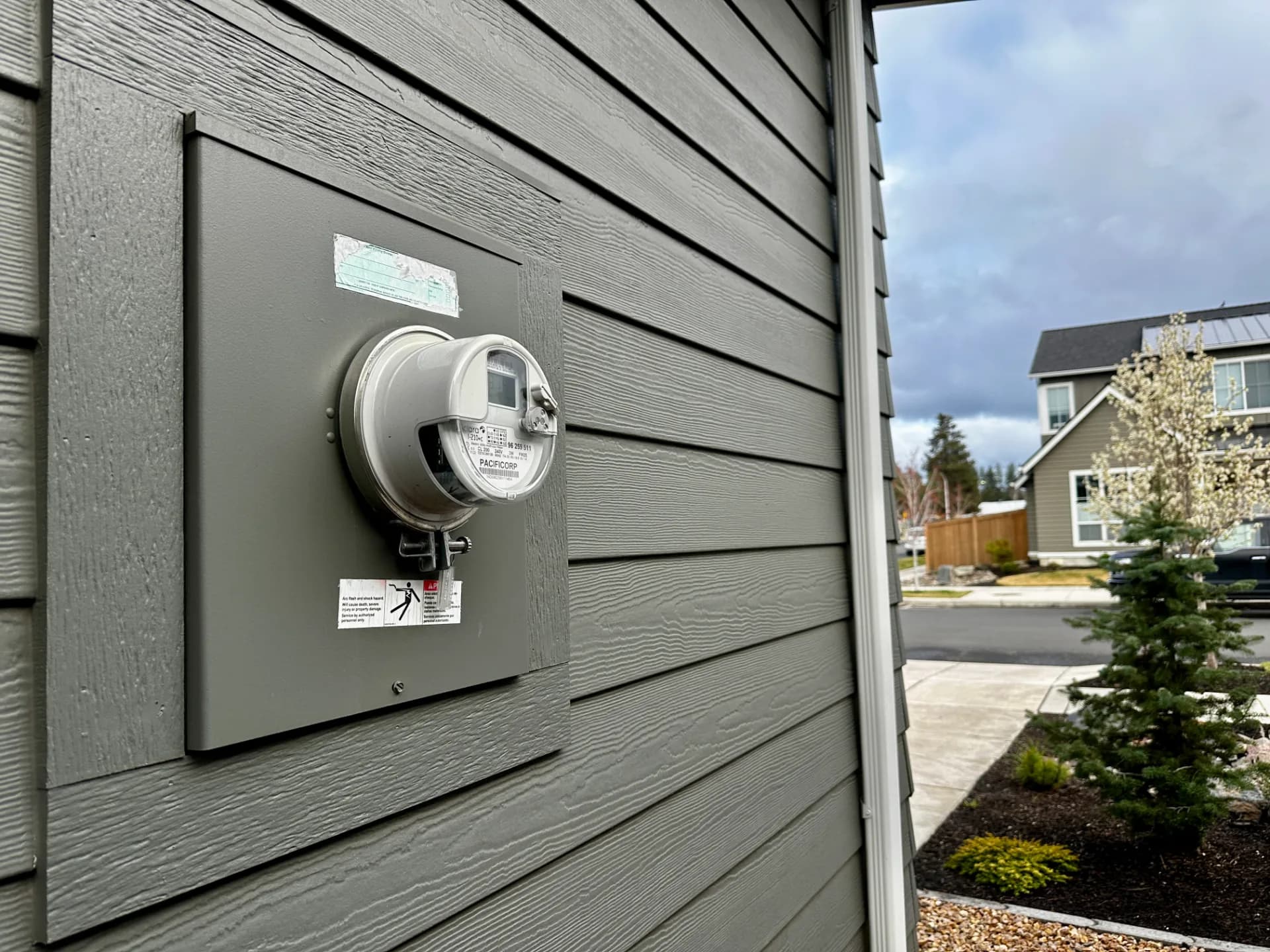
Higher utility rates: Both Pacific Power and Portland General Electric customers have seen rate pressures in recent years. While specifics change, rising bills make on-site generation more attractive.
Greater interest in resilience: More homeowners want reliable power during storms, wildfire-related outages, or utility disconnects — which raises interest in pairing solar with batteries.
Electrification and EVs: As more homes add electric vehicles, total electricity use rises. Solar plus an EV charging plan can lower the net cost of driving electric over time.
Local program changes and incentives: Oregon incentive programs and utility rules evolve. Homeowners should confirm current programs before making decisions.
How this changes the homeowner decision process
With rising bills, the conversation around solar shifts from a simple “will this save money?” question to a more layered evaluation:
Value of battery backup: Batteries offer resilience during outages and let homeowners use more of their solar energy when rates spike or during peak periods.
Sizing for real-world needs: Homeowners often choose systems sized to offset higher baseload or to prioritize critical loads during outages.
Financing and payment options: With tighter household budgets, flexible financing can make installations more accessible — see our Payment Options for examples.
Practical steps for Oregon homeowners
If Portland's rising electric bills have you reconsidering solar, here are practical steps to take.
1. Get a local energy assessment
Start with a site-specific assessment. A local installer can review your electric usage, roof orientation, shading, and goals. National Solar provides tailored quotes for Oregon homes — learn more about residential options on our Residential Solar page.
2. Consider battery backup for resilience
Batteries change the equation by storing solar energy for use during outages or peak price periods. If resilience matters, ask installers about system design and programs like regional battery initiatives. National Solar installs battery systems and can explain how they work with a solar array.
3. Check roof or site suitability
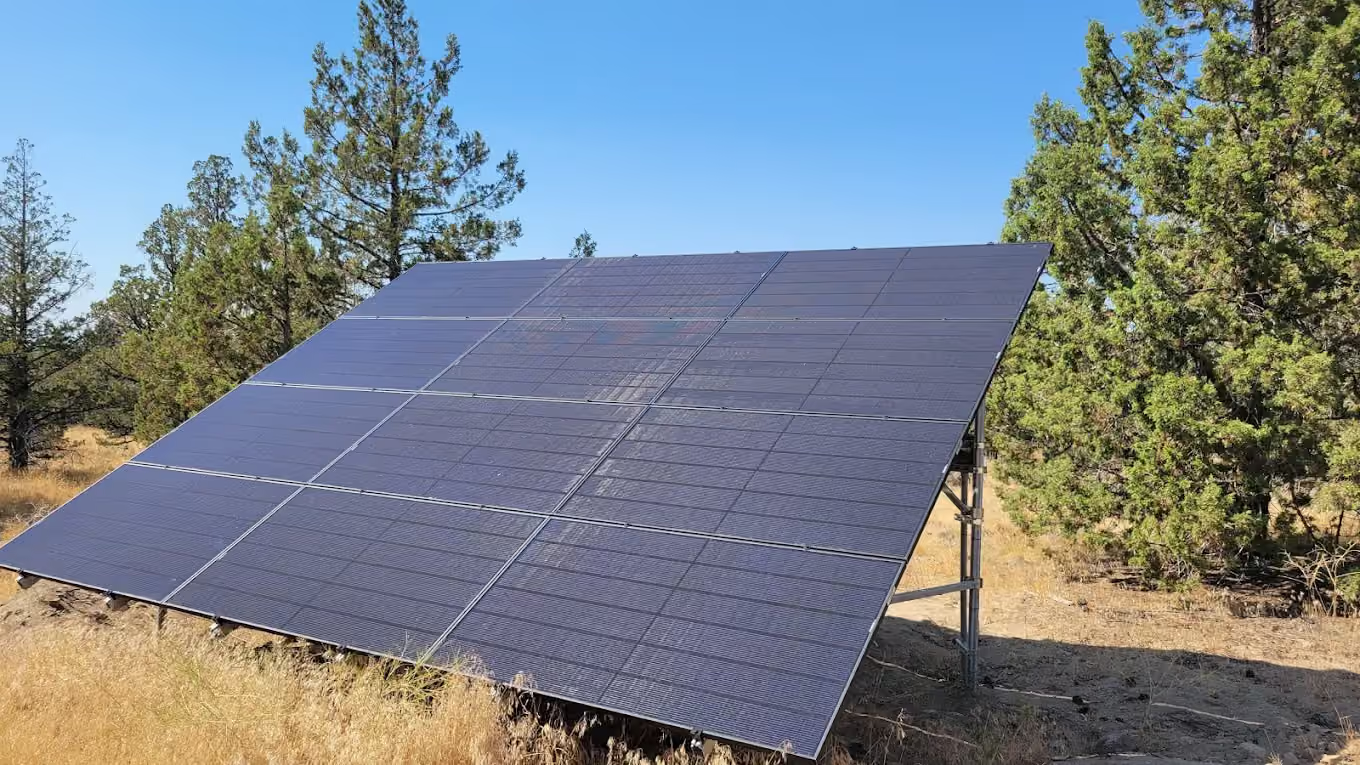
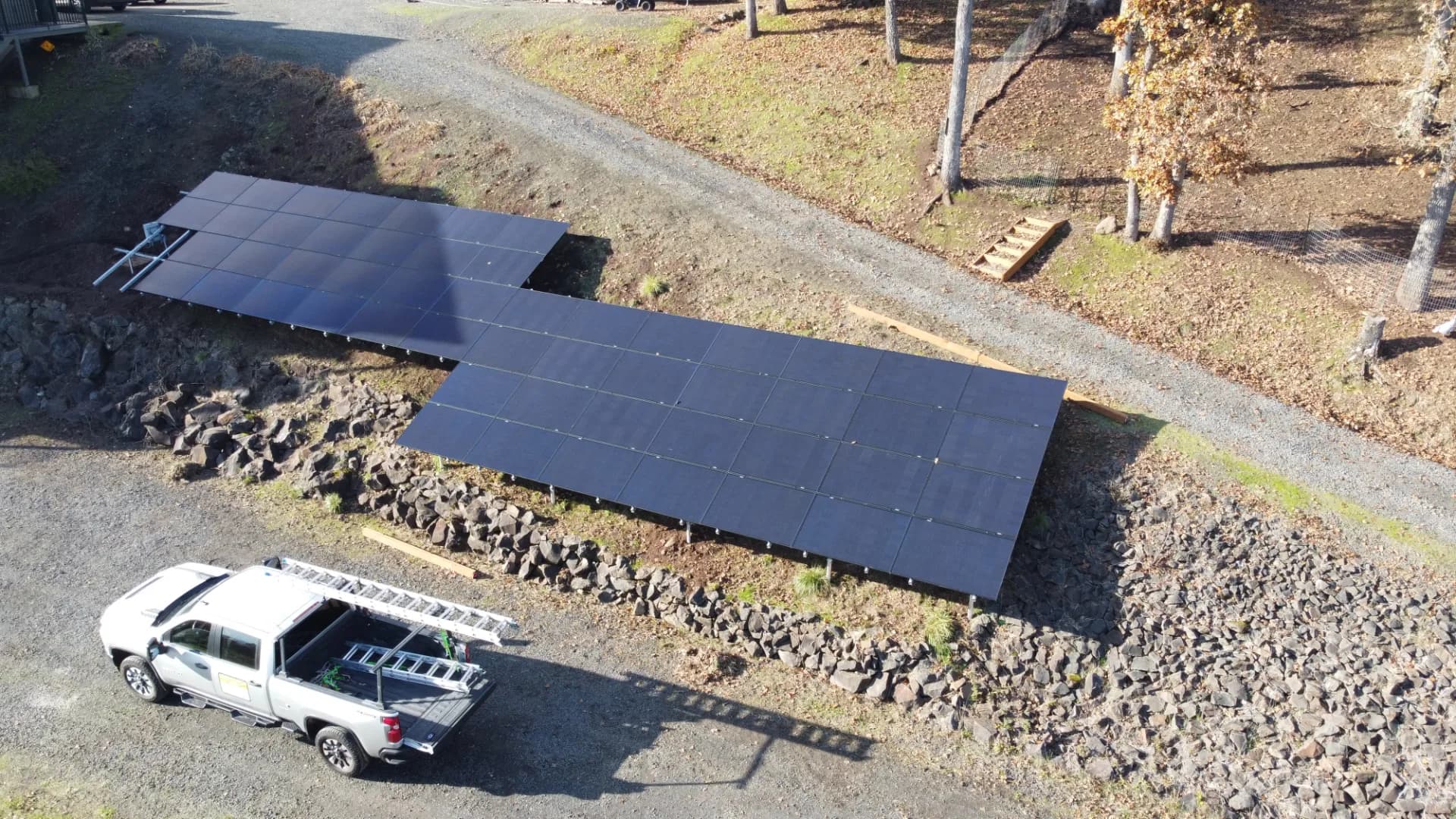
Roof condition matters for a smooth installation. Our Solar & Your Roof guide explains common considerations, or discuss a ground-mounted option via our Ground Mount Solar services when roofs aren’t ideal.
4. Review warranties and long-term service
Long-term performance depends on equipment and workmanship. Ask about manufacturer and installer warranties — for example, our SolarMax Warranty and available maintenance plans. Also know where to turn for repairs: see our Service & Repair offerings.
5. Compare quotes and local experience
Get multiple local quotes. Look for licensed installers with Oregon experience and references. For homeowners building new homes, integrating solar early is easier — see our Home Builders guidance. Commercial customers should review our Commercial Solar options.
What about incentives and program changes?
Incentives and utility programs can affect payback and system design. Oregon has state and local incentives, and utilities like PGE and Pacific Power run programs that change over time. We don’t publish specific incentive amounts here — confirm current details with your installer, utility, or the Energy Trust of Oregon. For ongoing learning, check our Blog for updates.
When solar makes the most sense in 2026
Solar combined with battery backup increasingly makes sense for Oregon homeowners who want to:
Reduce exposure to rising utility bills
Improve resilience during outages
Support on-site EV charging at lower net cost
Whether you’re replacing an aging roof, building new, or upgrading an existing array, a local, licensed installer can outline options that fit your home and budget. Learn more about our services on our Home page and contact our team via Contact to get a site estimate.
Conclusion
Portland's rising electric bills are changing the solar conversation in 2026 by broadening homeowner priorities to include both cost savings and resilience. Oregon homeowners should evaluate system size, battery pairing, roof or ground options, warranties, and financing before deciding. National Solar can help with assessments, installation, and long-term service planning.
People also ask
What people ask us about How Portland's Rising Electric Bills Are Changing the Solar Conversation
Will installing solar actually lower my Portland electric bills?
Many homeowners see meaningful bill reductions, especially as utility rates rise. Exact savings depend on your consumption, system size, roof orientation, and utility rate structure. Get a local assessment and multiple quotes to estimate savings for your home.
Do I need a battery backup to protect against outages?
A battery backup provides resilience during outages and can increase on-site solar self-consumption. Whether you need one depends on your tolerance for outages, budget, and whether you want to power critical loads. Discuss design options with an installer familiar with Oregon conditions.
Are incentives and net metering still available in Oregon?
Oregon offers various incentives and utility programs, but details change over time. Eligibility and program terms vary by utility (e.g., Pacific Power and PGE). Confirm current incentives and net metering rules with your installer or utility before deciding.
How do I choose a trustworthy local solar installer?
Look for licensed, insured installers with local experience, clear warranties, and references. Review service offerings like maintenance and repairs and ask about warranty details such as those described on our <a href="/solarmax">SolarMax Warranty</a> page. Get multiple quotes and check recent customer reviews.
Can I add EV charging to a new solar system?
Yes. Pairing solar with an <a href="/ev-charger-installation">EV charger</a> can lower the net cost of home EV charging. Discuss load management, charger placement, and whether you’ll pair charging with battery storage.
Written by
National Solar Team
Bend, OR