Best Solar Panels for Oregon Homes (2026): Top Picks for Snow, Smoke & Long Warranties
Not all panels perform the same in Oregon’s snow, smoky summers, and cool temperatures. This guide highlights the panel types and features Oregon homeowners should consider in 2026.

Why panel selection matters for Oregon homes
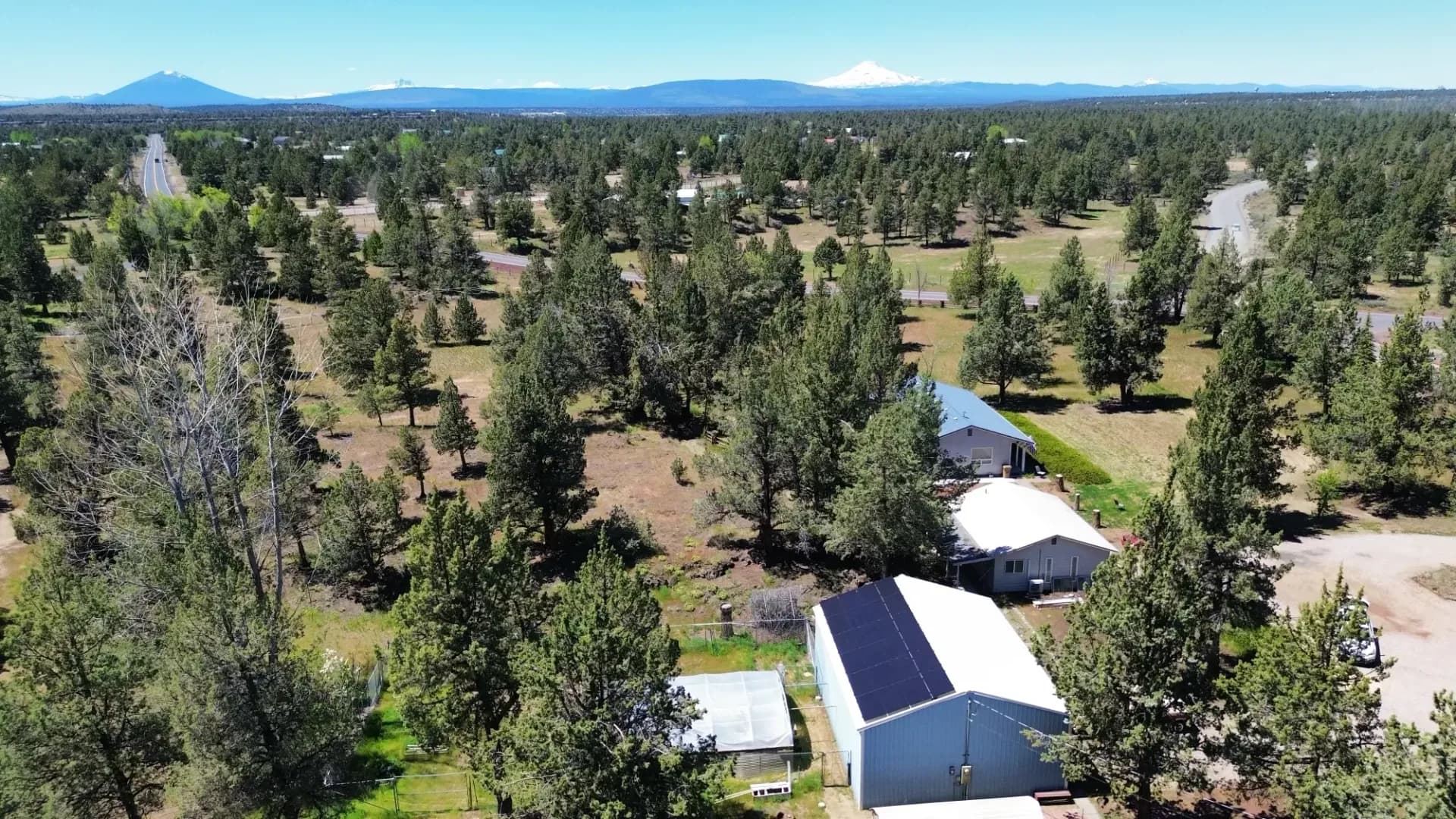
Oregon’s climate—cool temperatures, winter snow in many parts of the state, and summer smoke from wildfires—changes how solar systems perform. Cold temperatures can actually help panels run more efficiently, but snow cover, shading from trees, and smoke-reduced sunlight require careful product and system choices. When searching for the best solar panels for Oregon, look beyond marketing and focus on real-world features: low-light performance, temperature coefficients, snow-load and wind ratings, and long warranties.
Key features to prioritize
Low-light and diffuse-light performance — Panels that use advanced cell tech (improved PERC, TOPCon, or heterojunction designs) often keep producing better under cloudy skies or smoke.
Temperature coefficient — A smaller drop in output as temperatures rise helps in late-spring and summer. For Oregon, cold-weather performance + modest temp coefficient is ideal.
Mechanical durability — High snow-load ratings and robust frames help roofs in Bend and other snowy areas. Ask for local load ratings and installation practices.
Soiling and anti-reflective coatings — Panels that shed snow and resist soiling reduce maintenance and loss of output during smoky periods.
Warranties — Look for long product warranties and production guarantees. Consider extended-service warranties like our SolarMax Warranty when evaluating lifetime protection.
Top panel picks by Oregon homeowner priorities
Rather than one-size-fits-all brand endorsements, here are the panel types and characteristics that perform best for common Oregon homeowner goals.
Best for snowy roofs
Panels with strong glass and rigid frames, high mechanical load ratings, and smooth surfaces to encourage snow shedding.
Steeper tilt angles and roof-friendly mounts reduce snow drift; for homes without ideal roof pitch, consider a ground-mount option.
Best for smoke and low-light conditions
Panels with good low-light sensitivity and anti-reflective coatings maintain output during smoky summers and overcast days.
String inverters with module-level power electronics (microinverters or optimizers) can help mitigate partial shading from smoke haze or nearby trees.
Best for long-term peace of mind (warranty-focused)
Choose panels backed by 25-year performance warranties and strong product warranties from reputable manufacturers. Ask about available coverage enhancements like the SolarMax Warranty.
Confirm who handles warranty claims locally—your installer should provide service and repair support; learn more at our Service & Repair page.
Installation choices that affect panel performance
Panel model is only part of the equation. Proper roof assessment, tilt, orientation, and balance-of-system components determine real-world output.
Roof condition: Inspect and, if needed, repair or reroof before installation—see our guidance on Solar & Your Roof.
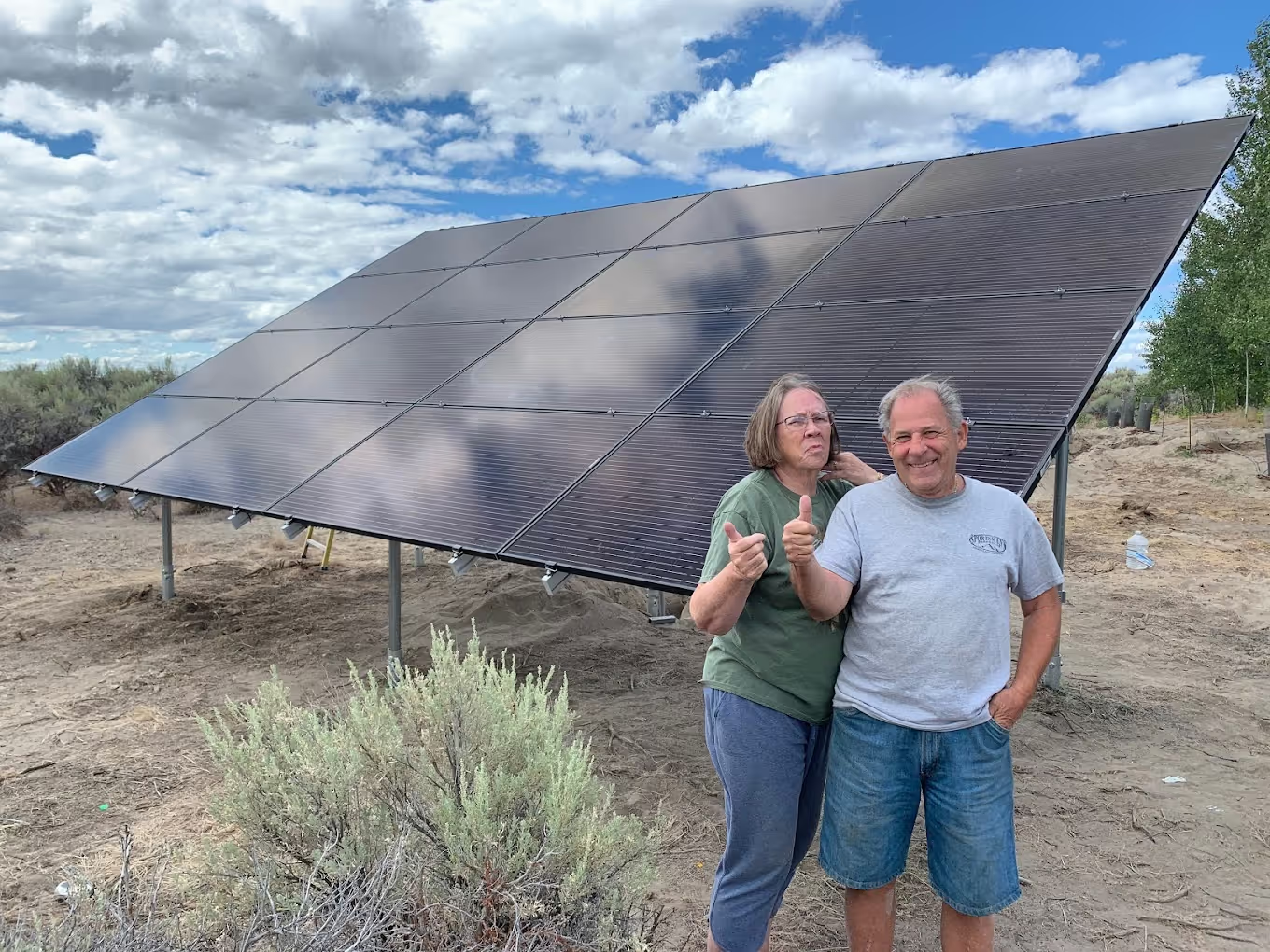
Mount type: Roof-mounted vs ground-mounted systems have different snow-shedding and maintenance characteristics; view ground-mount details here.
Electronics: Microinverters or power optimizers improve performance on shaded or mixed-orientation roofs, common in Oregon neighborhoods.
Battery backup and resilience: If outage protection matters, pair panels with battery backup. National Solar installs batteries and EV chargers—learn about our EV Charging solutions.
Local incentives, utility considerations, and financing
Oregon homeowners should check current incentives from the State of Oregon, local utility programs (Pacific Power or Portland General Electric), and organizations like the Energy Trust of Oregon. Incentive rules and tax-credit eligibility change—confirm current details before making decisions.
We offer several financing options to fit different budgets; see available plans on our Payment Options page. For a residential project, start with our Residential Solar team. Businesses can explore Commercial Solar options and tailored assessments.
How National Solar helps Oregon homeowners choose the right panel
Since 2009 we’ve designed systems for Oregon conditions—factoring in snow loads in Bend, shading in city neighborhoods, and the occasional smoky summer. Our process includes a site assessment, production modeling with local irradiance data, and warranty guidance. We also offer ongoing maintenance and service; see our Service & Repair page for details.
Why National Solar chooses the REC 460w Alpha Pure R Panel
The panel is rated for heavy snow loads and 45 mm hail, and its frame and 6-point clamping options add structural strength for wind and snow. Combined with its low degradation rate of just 0.25% per year, you can expect dependable production for decades in Oregon's mix of rain, snow, wind, and sun.
Next steps: get a site-specific recommendation
No two roofs or energy goals are the same. To find the true best solar panels for your Oregon home, request a local consultation.
Ready to start? Contact National Solar for a customized estimate and system design at our Contact page.
People also ask
What people ask us about Top Picks for Snow, Smoke & Long Warranties
Do solar panels still work during smoky summers in Oregon?
Yes—panels keep producing under diffuse light, though output may be reduced during heavy smoke. Choosing panels with strong low-light performance and using system design strategies (tilt, spacing, microinverters or optimizers) helps maintain production. Check local air-quality impacts and plan for realistic production estimates.
What panel features are best for snowy areas like Bend?
Look for panels with high mechanical snow-load ratings, sturdy frames, and smooth surfaces that encourage snow to slide off. Proper tilt and professional mounting are also important. If your roof pitch is low, a <a href="/ground-mount-solar-system">ground-mount</a> array may be a better option.
How long should I expect a solar panel warranty to last?
Many manufacturers offer 25-year performance guarantees and product warranties of varying lengths. Review both product and performance terms and consider extended coverage options—learn about enhanced protection like our <a href="/solarmax">SolarMax Warranty</a>. Your installer should also explain how warranty service is handled locally.
Should I use microinverters or a string inverter in Oregon?
Microinverters or power optimizers are beneficial when roofs have shading, multiple orientations, or partial soiling—common issues in Oregon. For single-orientation, unshaded roofs, string inverters can be cost-effective. A site visit will determine the best choice for your home.
How do I get a local estimate and check incentives?
Contact National Solar for a site assessment and production estimate. We’ll also review current incentive opportunities with you and how they interact with utility interconnection (Pacific Power or Portland General Electric). Visit our <a href="/contact">Contact</a> page to schedule a consultation.

Written by
Clint Libby
Bend, OR