Klamath Falls, OR Solar & Battery Storage: Pacific Power Interconnection, Permits & Winter Sizing
A practical guide for Klamath Falls homeowners on connecting solar and battery storage to Pacific Power, navigating Klamath County permits, and sizing systems for cold, sunny winters.
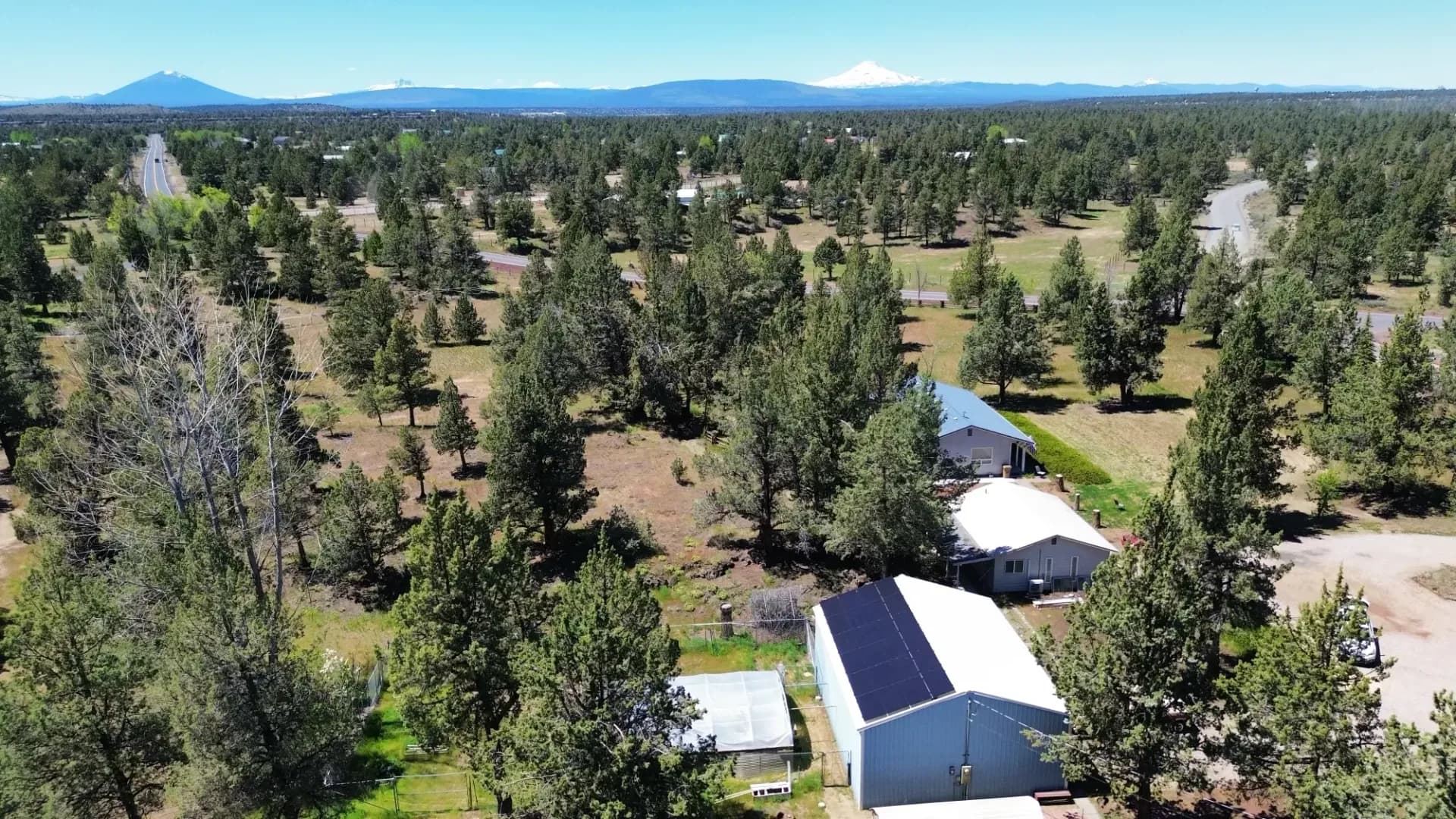
Why Klamath Falls needs a local approach to solar battery storage
Klamath Falls, OR sits in a high‑desert climate with cold winters and plenty of clear days. That combination affects both solar production and battery performance. When planning a Klamath Falls, OR solar battery storage system, you should account for Pacific Power interconnection rules, Klamath County permitting, and realistic winter output and storage needs.
Pacific Power interconnection in Klamath Falls — what to expect
Most residential systems in Klamath Falls will interconnect to Pacific Power. The utility requires an interconnection application, equipment that meets safety and interoperability standards, and an inspection before you can export power or operate in grid‑tied mode.
Application and approval: File the interconnection paperwork early. Timelines vary and approvals can involve electrical review and service‑level checks.
Equipment compliance: Inverters and battery systems must meet safety and anti‑islanding standards. Work with an installer who specifies certified equipment.
Export limits and tariffs: Pacific Power may have rules about how much you can export and how exported energy is compensated. Confirm current requirements with the utility.
Inspections and final permission: After installation you’ll need an electrical inspection and final sign‑off from Pacific Power before full operation.
National Solar handles interconnection paperwork for Oregon customers as part of the installation process. Reach out to contact us early so we can coordinate with Pacific Power and your county.
Navigating Klamath County solar permits
Klamath County requires building and electrical permits for most solar installations. Permit steps commonly include:
Submit drawings showing array location, roof attachments or ground‑mount plans, and electrical diagrams.
Structural review for roof‑mounted systems to confirm rafter and roof capacity.
Inspections for electrical, structural, and final system commissioning.
Ground‑mounted systems may also require additional site plans or setbacks. If you’re building a new home, see our Home Builders page for coordination tips. For roof considerations, our Solar & Your Roof guide explains roof mounting, flashing, and warranty impacts.
Cold‑season sizing: panels, tilt and battery capacity
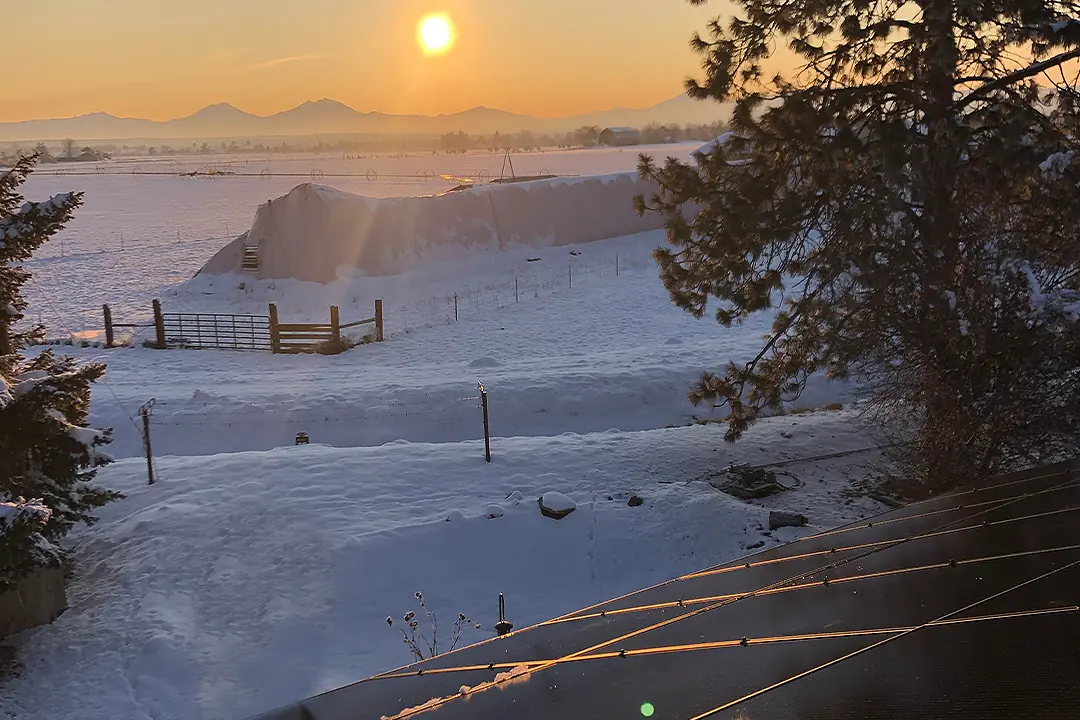
Winter in Klamath Falls brings lower sun angles, possible snow on panels, and colder temperatures. That affects both energy production and battery sizing.
Solar panel production in winter
Sun angle: Lower sun paths mean your array tilt and orientation matter more in winter. A slightly steeper tilt can help shed snow and capture lower‑angle sun.
Cold weather performance: Solar panels are generally more efficient in cold temperatures, but reduced daylight and snow cover lower actual energy production.
Shading and snow shed: Trim nearby trees and design array layout to minimize winter shading. Consider panels and racking that facilitate snow shedding.
Battery sizing for winter resilience
When sizing batteries for cold months, focus on usable capacity, charge/discharge rates, and how you’ll prioritize loads.
Critical loads vs whole‑home backup: Backing up essential circuits (heat source, refrigeration, medical devices) requires less battery capacity than full‑home backup. Decide which fits your risk tolerance and budget.
Depth of discharge and temperature effects: Battery usable capacity can be affected by cold. Many batteries include thermal management, but performance differs by chemistry—discuss options with your installer.
Hybrid design: Pairing adequate solar array size with battery storage and efficient load management gives the most reliable winter performance.
Design choices for Klamath Falls homeowners
Common design decisions include:
Roof‑mount vs ground‑mount: Ground arrays allow easier tilt adjustments for winter sun and snow shedding—see our Ground Mount Solar page for details.
AC‑coupled vs DC‑coupled batteries: Each has pros and cons for efficiency and expandability. Your installer will recommend a configuration based on your goals.
EV charging integration: If you own an EV, integrating charging with your solar and battery system can reduce grid charging; learn more at our EV Charging page.
Costs, incentives and next steps
Federal, state, and local incentives can influence project economics. Incentive programs change, and eligibility varies—confirm current programs before making decisions. For financing and payment options, see our Payment Options page.
After installation, keep your system healthy with regular maintenance. National Solar offers ongoing support and service—learn about our Service & Repair offerings and warranty support like the SolarMax Warranty.
Work with a local, licensed installer
Oregon rules, Pacific Power interconnection, and Klamath County permitting all favor working with a local licensed installer. National Solar has been installing custom systems across Oregon since 2009—start with a site visit to evaluate roof condition, shading, and electrical panel capacity. Learn more about residential offerings on our Residential Solar page or visit our Home page to explore services.
Ready to plan your Klamath Falls system?
If you’re considering Klamath Falls, OR solar battery storage, contact National Solar for a consultation and site assessment. We’ll help you navigate Pacific Power interconnection, Klamath County permits, and cold‑season sizing so your system performs reliably when you need it most. For more local energy insights, check our Blog.
People also ask
What people ask us about Pacific Power Interconnection, Permits & Winter Sizing
Do I need a permit from Klamath County to install solar panels?
Yes—most solar installations in Klamath County require building and electrical permits. Permit requirements can include structural drawings, electrical schematics, and inspections. Contact Klamath County planning and building services and your installer early to confirm the exact requirements for your project.
How does Pacific Power handle interconnection for battery systems in Klamath Falls?
Pacific Power requires an interconnection application, compliant inverters/battery equipment, and final inspection before approving grid‑connected operation. Rules about exporting power and program terms can change, so work with your installer to file paperwork and coordinate the final utility sign‑off.
Will solar panels still make power in Klamath Falls winters?
Yes—clear, cold days can produce good solar output, and panels are often more efficient in lower temperatures. However, shorter daylight hours and snow cover reduce total winter energy production. Proper tilt, placement, and maintenance help maximize cold‑season generation.
How do I size a battery for winter outages?
Start by listing critical loads you want to support (heating systems, refrigeration, medical devices). Size battery capacity to cover those loads for the duration you expect to be off grid, accounting for reduced solar input in winter. Discuss battery chemistry and thermal management with your installer to ensure reliable cold‑weather performance.
Can National Solar help with financing, warranties and long‑term service?
Yes. National Solar can review available payment options and coordinate warranty coverage like our <a href="/solarmax">SolarMax Warranty</a>. We also provide maintenance and repair services to keep systems operating—see our <a href="/solar-system-service-oregon">Service & Repair</a> page for more information. Always confirm current financing and warranty details during your consultation.
Written by
National Solar
Bend, OR