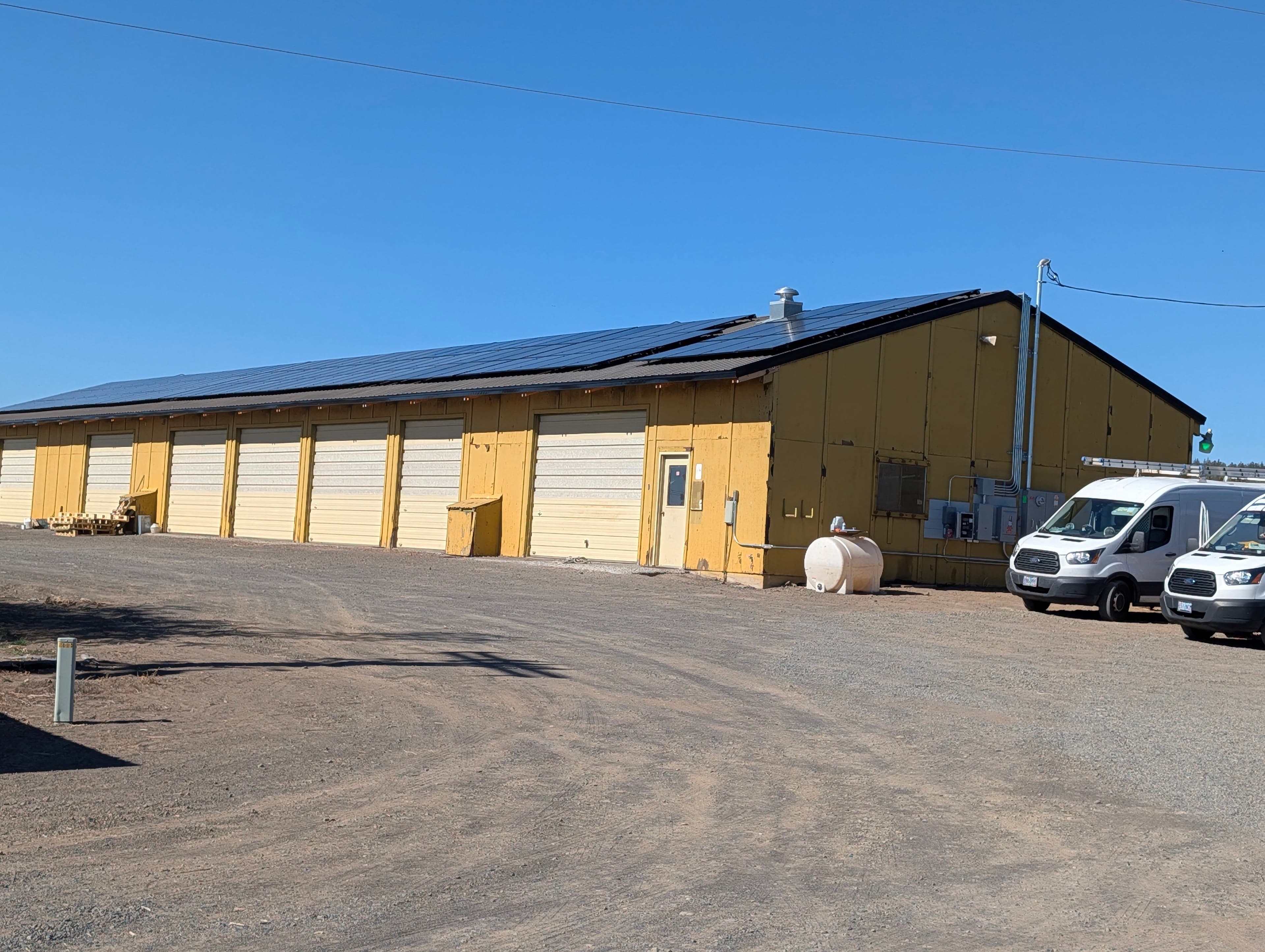
How Net‑Metering Works in Oregon — A Solar ROI Calculator Guide
A practical guide to how net‑metering works in Oregon, how time‑of‑use rates and incentives change your solar payback, and how to use an ROI calculator to compare scenarios.

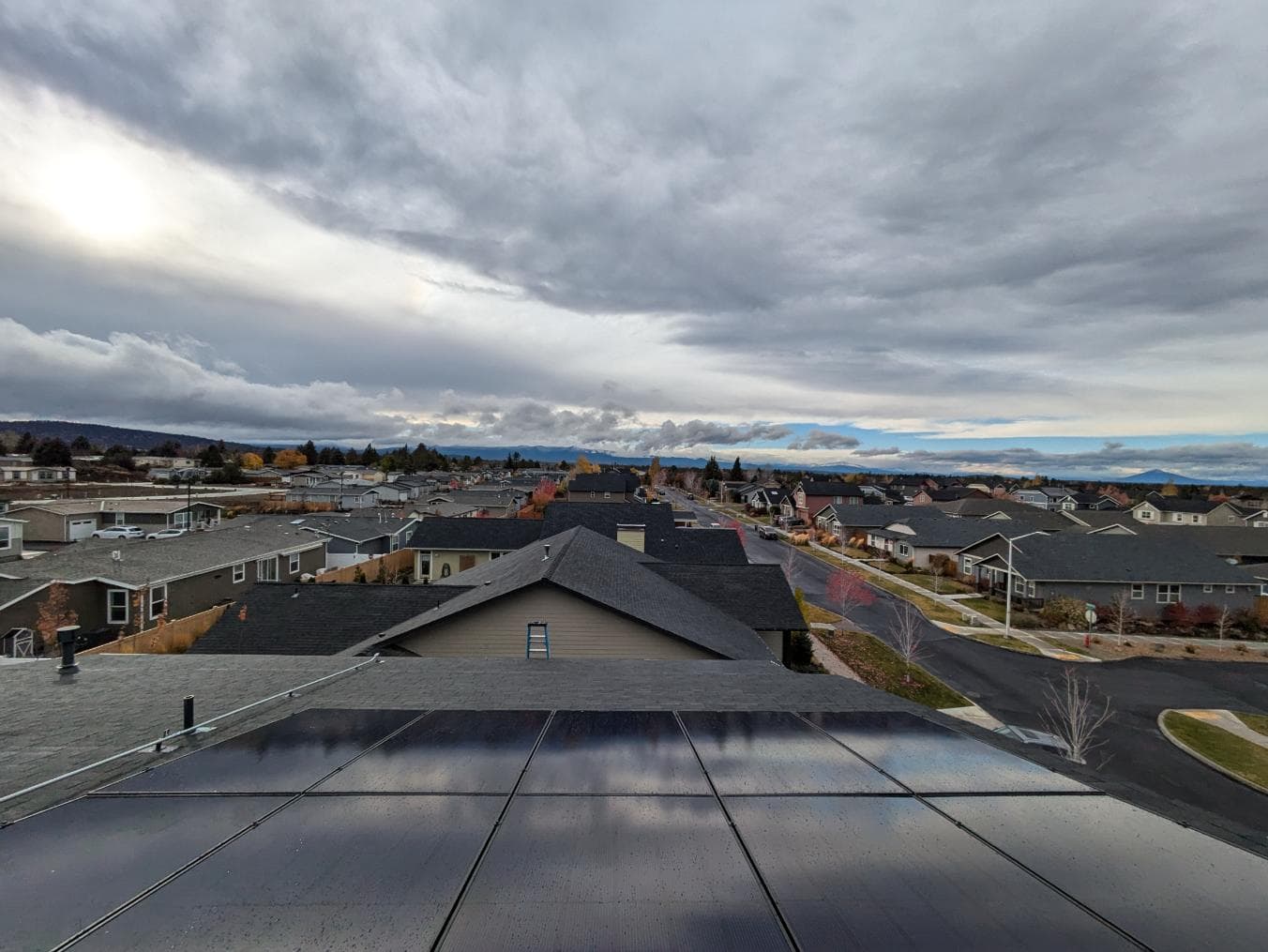
How net metering works in Oregon: the basics
Understanding how net metering works in Oregon is one of the first steps toward an accurate solar ROI. In simple terms, net‑metering lets your utility credit you for excess electricity your solar system sends to the grid. How those credits are calculated and applied depends on your utility—most commonly Pacific Power net metering or Portland General Electric net metering—and on whether your account is on time‑of‑use (TOU) pricing.
Why time‑of‑use rates matter for solar payback
Time‑of‑use rates charge different prices for electricity at different times of day. If your utility uses TOU pricing, the value of the electricity you use or export changes hour by hour.
- Solar production peaks during daylight; TOU rates may put higher value on late‑afternoon exports if peak pricing applies then.
- If your home consumes more power in the evening (EV charging, appliances) you may get less value from exports unless you time consumption or add storage.
- An ROI calculation should model hourly production and TOU price blocks rather than just a single blended rate.
Which inputs your ROI calculator needs
To move from a rough estimate to a reliable payback projection, include these inputs in your solar ROI calculator:
- System size and production profile: expected annual kWh, panel orientation, and local solar resource in Oregon.
- Electric rates and structure: current utility tariff, fixed monthly charges, and whether you’re on TOU pricing with Pacific Power net metering or Portland General Electric net metering.
- Net‑metering credit rules: how your utility credits exported energy (hourly, on‑bill credits, or avoided cost). Policies vary and can change.
- Incentives and tax credits: federal credits, state or local incentives, and program rebates like those from Energy Trust of Oregon—confirm current eligibility and amounts.
- Battery and resilience options: battery capacity, round‑trip efficiency, and whether it’s used for backup, TOU shifting, or both.
- Costs and financing: total installed cost, incentives applied at installation, loan or lease terms, and alternative payment options.
- Degradation and maintenance: expected panel degradation over time and service assumptions (ask about our SolarMax Warranty and ongoing Service & Repair).
Scenarios to test in your ROI model
Run multiple scenarios to see how net‑metering rules and TOU rates change outcomes:
- Base case: current net‑metering credits and non‑TOU pricing (if applicable).
- TOU-aware case: same system but with TOU rates, modeling hourly production and consumption.
- Battery added: include a battery for evening load shifting and backup—compare savings and resilience benefits.
- Incentive variations: apply different realistic incentive scenarios and confirm current programs before final decisions.
How batteries change the math
Batteries can increase household resilience during outages and reduce TOU‑period purchases, but they also alter exported energy that would otherwise earn net‑metering credits. In many Oregon cases, batteries improve the value of a solar system if you:
- face high TOU evening rates, or
- want guaranteed power during outages, or
- are enrolled in programs that pay for demand response or capacity services.
Ask about our EV charging integration and wattSmart battery program to model combined savings and resilience for EV owners.
Oregon incentives and utility programs — what to check
Oregon has a mix of incentive opportunities and utility‑level programs that affect payback. Before finalizing your ROI:

- Confirm current federal, state, and local incentives, and whether they apply to your project.
- Check offerings from Energy Trust of Oregon and any utility rebate programs tied to Pacific Power net metering or Portland General Electric net metering.
- Review net‑metering policy specifics with your utility; rules on crediting exported energy and interconnection can vary and evolve.
Practical steps to run the calculator and interpret results
- Gather 12 months of electric bills and your electric rate schedule—this is essential for accurate TOU modeling.
- Get a production estimate from your installer based on roof tilt, shading, or consider a ground‑mount if roof space limits production.
- Run multiple ROI runs: current policy, conservative change in net‑metering credits, and a battery‑enabled case to see how resilience affects payback.
- Compare financing options on our Payment Options page to see loan vs cash impacts on net present value.
Local considerations for Oregon homeowners
Oregon’s climate and utility mix influence solar production and value. Central Oregon gets strong daytime sun for predictable generation, while customers in the Willamette Valley should factor in seasonal variation. If you’re building new, talk with our team about planning solar integration early—see our Home Builders resources.
Next steps: get a tailored ROI estimate
An online calculator gives a solid first look, but the specifics of Oregon net metering, TOU tariffs, and incentive eligibility require a site‑specific review. National Solar has installed systems across Oregon since 2009 and can model your bill using your actual utility rates and usage.
Request a consultation or a custom estimate to see a detailed ROI that factors in net‑metering rules, TOU rates, incentives, battery options, and warranty coverage (SolarMax Warranty). For residential installations, learn about our approach on the Residential Solar page; commercial clients can start at Commercial Solar.
Want help running scenarios?
We can run multiple ROI scenarios for you—no obligation. Contact our team for a site visit, production estimate, and a side‑by‑side comparison of net‑metering, TOU, and battery strategies.
Related resources
Learn more on our Blog, or check roof compatibility before installation with Solar & Your Roof. If you already have panels, see our Service & Repair options for maintenance and performance tuning.
Contact National Solar
Ready to get a custom ROI estimate for your Oregon home? Contact National Solar for a consultation and estimate tailored to your utility, rate plan, and resilience goals.
People also ask
What people ask us about How Net‑Metering Works in Oregon
Does Oregon still have net‑metering?
Yes—Oregon customers can receive credits for exported solar energy, but the specific credit method and value depend on your utility and the current policy. Confirm details with your utility or installer before finalizing a project.
How do time‑of‑use rates affect my solar savings?
TOU rates change the value of electricity throughout the day. A system that offsets expensive TOU periods—either through production timing or a battery—will often increase savings compared with a flat rate.
Should I add battery backup to improve my ROI?
Batteries improve resilience and can increase savings under TOU pricing, but they add upfront cost and reduce exported energy that might earn net‑metering credits. Run a scenario comparison with and without a battery to decide.
What incentives are available in Oregon?
Oregon homeowners may be eligible for federal, state, or local incentives and utility programs. Incentive programs change over time—confirm current programs and eligibility with your installer and the relevant program administrators.
How can National Solar help with my ROI estimate?
We model production using site‑specific shading and orientation, apply your actual utility rates (including TOU blocks), factor incentives and warranties, and provide side‑by‑side scenarios. Contact us to get started.

Written by
Clint Libby
Bend, OR