PGE requests rate increase: When will the year-over-year requests end?
Portland General Electric has filed another rate request. This explainer covers why utilities request more revenue, how regulators review proposals, whether increases will stop, and practical steps Oregon homeowners can take now.
What "PGE requests rate increase" means for Oregon homeowners
When Portland General Electric (PGE) submits a rate request to the Oregon Public Utility Commission (PUC), it is asking permission to collect more revenue from customers to cover costs the company says are necessary. These requests are common for utilities nationwide, and they often spark local debate because they affect household budgets and energy planning.
Why does PGE need more money?
Utilities typically seek higher revenue for a few predictable reasons:
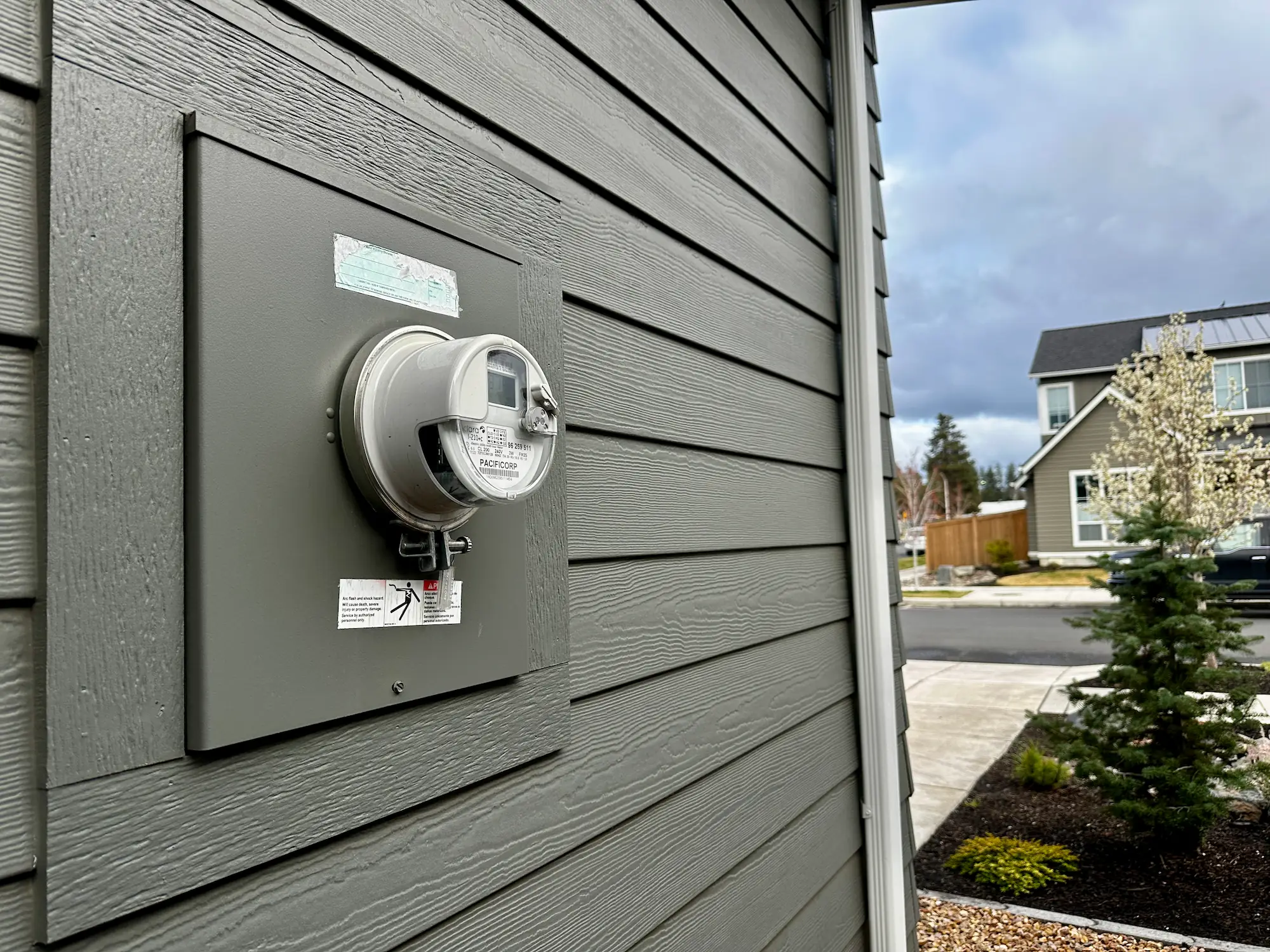
Replacing aging equipment: Poles, wires, substations and meters deteriorate over decades and must be swapped out to maintain safety and reliability.
Capacity and growth: New neighborhoods, businesses and EV adoption increase demand and sometimes require upgrades to lines or substations.
Hardening and reliability investments: Wildfire mitigation, weather hardening and grid modernization projects add costs that utilities argue benefit customers over time.
Operating costs: Fuel or power purchase costs, staffing, and other business expenses can change and push companies to request adjustments.
Those are general drivers; for the specific projects and cost assumptions behind any PGE filing, the PUC docket associated with the case is the source of record.
What is PGE doing to control costs?
PGE and other utilities often point to internal cost‑control measures in filings: prioritizing efficiency, delaying noncritical projects, and negotiating vendor contracts. Regulators evaluate whether proposed spending is reasonable and prudent before allowing it to be passed to customers. The PUC’s review may reduce the size of a utility’s request, require different timing, or attach conditions to approval.
Will the increases stop?
Short answer: not necessarily. Utilities sometimes propose shorter-term limits on base rate changes or tie adjustments to inflation as part of a longer plan. Those mechanisms can slow the pace of year‑to‑year increases, but they do not guarantee they will end. Key points to understand:
Tied increases still move up or down with the index used (for example, inflation); they are not absolute caps.
Even when base-rate changes are constrained, separate charges — such as fuel or power‑purchase adjustments — can still change a customer’s bill.
The PUC can modify a proposal, approve a smaller change, or require offsetting benefits to customers (for example, earnings sharing or targeted bill assistance).
How the regulatory timeline works in Oregon
A typical utility rate case follows these steps:
Filing: The utility submits testimony and supporting documents to the PUC.
Review and discovery: PUC staff, consumer advocates and intervenors examine the evidence and ask questions.
Public input: The PUC holds hearings and accepts written comments from customers — a key opportunity for homeowners to weigh in.
Decision: After evaluation, the PUC issues an order approving, modifying or rejecting the request.
Because this process is deliberate, rate changes generally take effect months to a year after filing, and final decisions are often subject to appeal or additional review.
What Oregon homeowners can do now
If you are concerned about rising electric bills, here are practical steps that reduce exposure and improve resilience:
Attend or comment on PUC hearings. Public comments help regulators understand customer impact. Check the Oregon PUC docket for the specific PGE filing and deadlines.
Explore energy efficiency upgrades. Small investments like LED lighting, improved insulation, and smart thermostats lower consumption and bills.
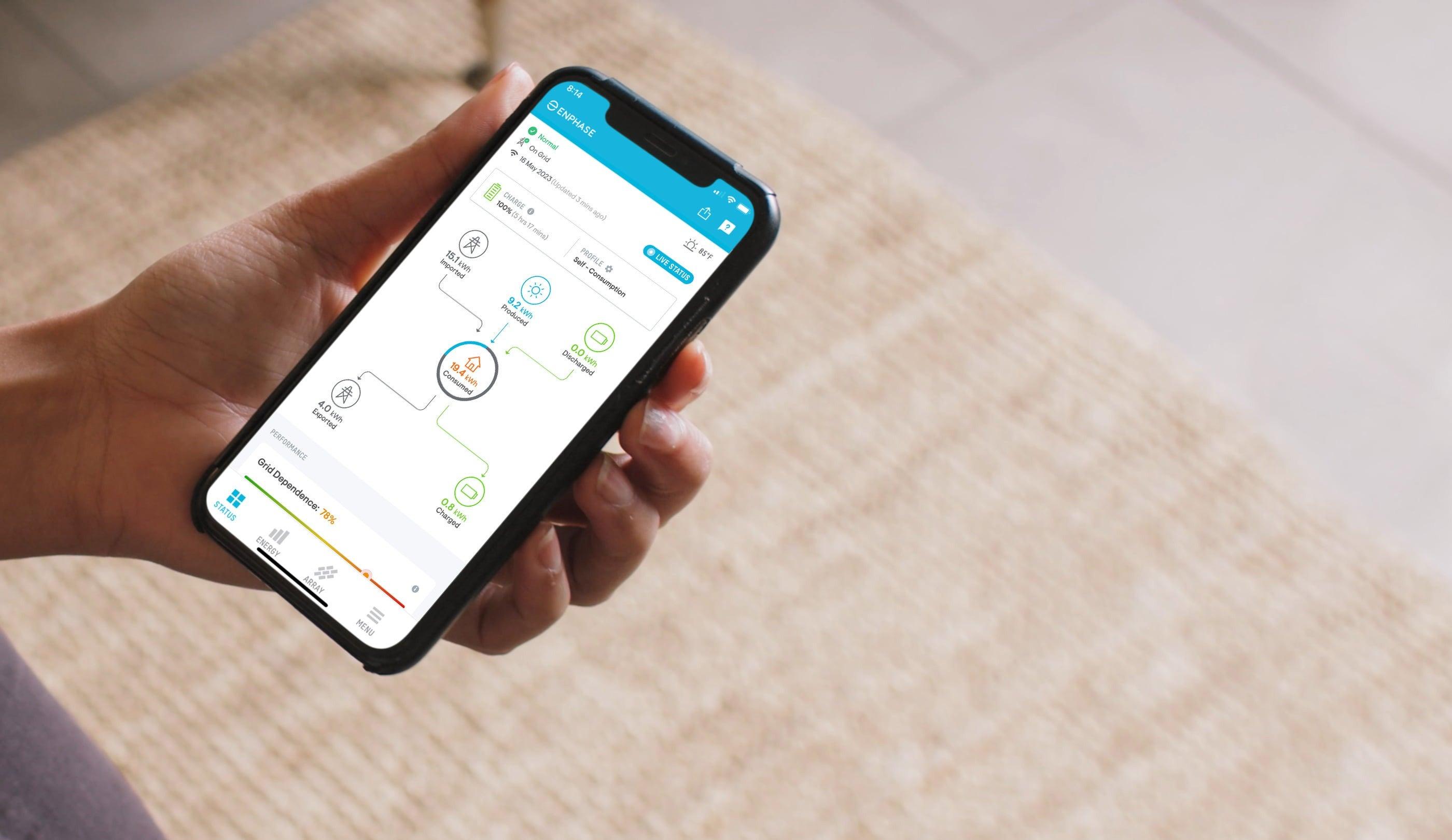
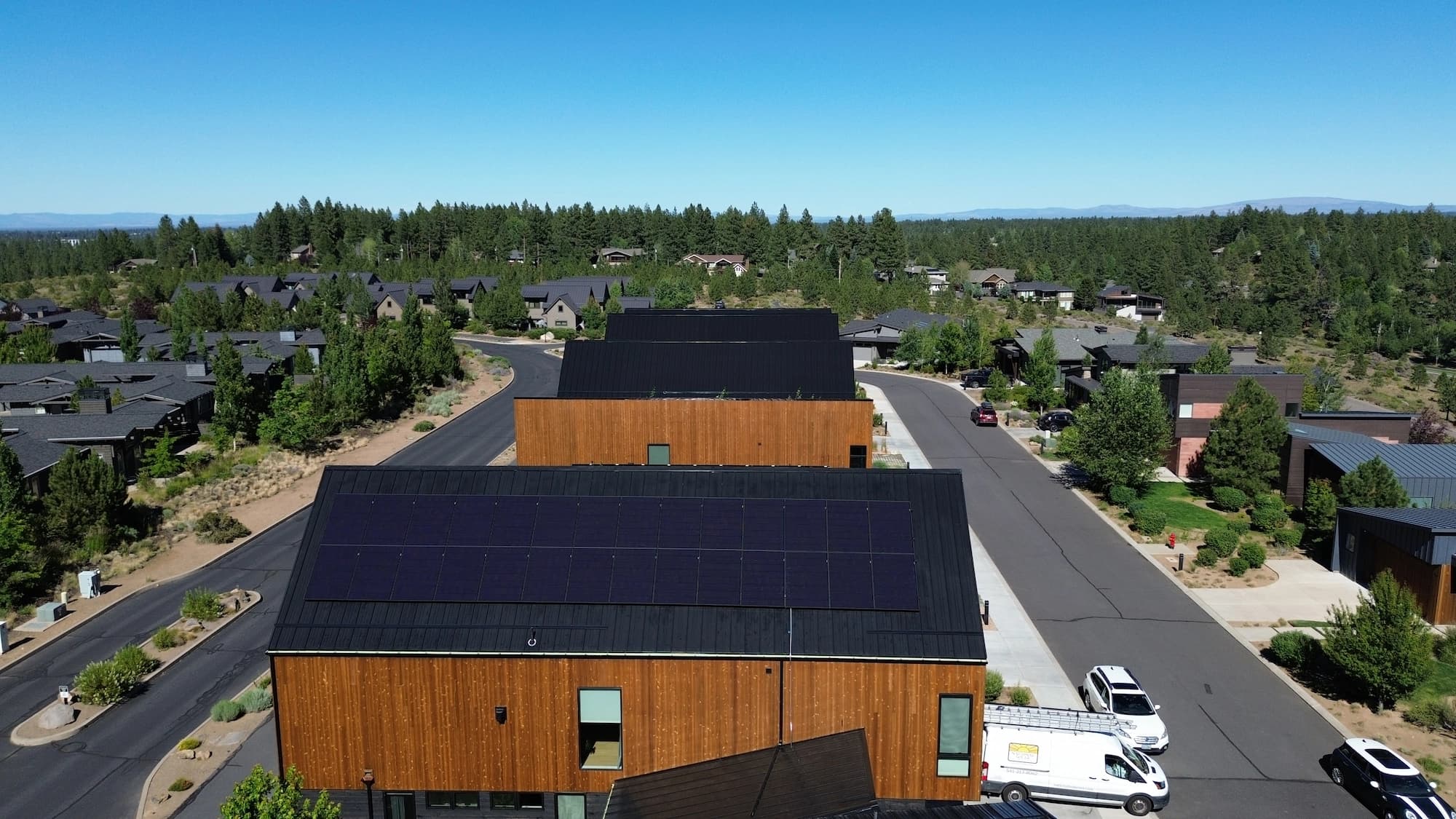
Consider solar and battery backup. Rooftop or ground‑mounted systems can reduce grid purchases and provide backup power during outages. Learn how residential systems work at our residential solar page and how roof condition affects installation at Solar & Your Roof.
Review warranties and service plans. A strong warranty and local service network matter for long-term performance — see our SolarMax Warranty and Service & Repair information.
Look into financing and incentives. Payment options, state incentives, and programs such as Energy Trust of Oregon change over time; review our payment options page and confirm current programs with your utility or the state.
Plan for EV charging wisely. If you’re installing an EV charger, coordinate with solar or storage plans — we install EV charging equipment and can advise on timing.
How solar and storage interact with rate uncertainty
Installing a solar system shifts part of your energy consumption off the grid, which can reduce exposure to future rate increases. Adding a battery gives you resiliency during outages and the ability to use stored energy when utility rates or demand charges are higher.
If you have space constraints, a ground‑mount solar system is an alternative. For businesses, a commercial approach may involve different finance structures and incentives — see our commercial solar page.
When to get help
Evaluating the cost‑benefit of solar, storage and efficiency upgrades is specific to your home, roof, and utility rate structure. If you are building new, our home builders resources can help integrate energy systems early. For a personalized assessment, reach out through our contact page.
Next steps
Keep an eye on the PUC docket for the current PGE filing, participate in public comment periods, and evaluate practical, local measures to lower bills and improve resilience. For Oregon homeowners ready to consider solar, battery backup or EV charging, start with a site review and clear information about warranties and financing.
People also ask
What people ask us about When will the year-over-year requests end
When will year‑over‑year PGE rate requests stop?
There is no fixed end date. Utilities file as long as they need to recover costs for infrastructure, reliability and operations. Proposals to limit increases in specific years can slow the pace, but they don’t automatically stop future filings. The Oregon PUC evaluates each case and can approve, reduce, or modify requests.
Why does PGE say it needs more revenue?
PGE typically cites capital projects (like replacing aging poles, wires and substations), capacity upgrades for growing communities, and investments to improve reliability and safety. The PUC reviews the utility’s cost estimates and project justifications before deciding whether to allow higher rates.
What can I do to protect my household from rising electricity costs?
Actions that reduce grid consumption and add resilience help: energy efficiency measures, a properly sized solar system, and battery backup to ride through outages or avoid high‑cost periods. Review financing options on our <a href="/payment-options">payment options</a> page and warranty details at <a href="/solarmax">SolarMax Warranty</a>.
How can I comment on a PGE rate filing?
The Oregon PUC posts public meeting dates and written comment deadlines on its docket pages for each filing. Attending virtual public comment sessions and submitting written comments lets the commission hear customer concerns directly.
Will solar eliminate my electricity bill?
Solar will reduce how much electricity you buy from the grid but may not eliminate your bill entirely. Net metering rules, rate structure, and your system size affect outcomes. Pairing solar with a battery can increase your independence during outages and better manage peak usage.
Written by
National Solar Team
Bend, OR