Solar for Rental Homes in Oregon: A Landlord’s Guide to Lower Costs and Better Tenants
A practical guide for Oregon landlords considering solar for rental homes. Learn how solar can lower operating costs, improve tenant retention, and what ownership and billing options work best.

Why landlords should consider solar for rental homes in Oregon
Installing solar on rental homes can be more than an environmental choice, it's a smart business decision. Solar panels can lower a property's ongoing energy costs, make listings more competitive, and offer predictable utility expenses that appeal to tenants. In Oregon, where renters and buyers increasingly value energy efficiency and resilience, solar is a visible amenity that helps attract and retain quality tenants.
Key landlord benefits: attraction, retention, and cost predictability
Marketing advantage: Solar and EV charging readiness are often highlighted in listings and can genuinely set your property apart from similar rentals.
Lower operating costs: When landlords install solar and other upgrades, solar production reduces those expenses for a tenant and smooths out long-term energy price volatility, which could lead to increased vacancies.
Tenant retention: Lower or more predictable utility costs and added resiliency (with battery backup) increase tenant satisfaction and reduce turnover.
Resilience and safety: Batteries paired with solar can provide backup power during outages, a selling point in Oregon regions where this is common.
Ownership and payment models: pick what fits your rental business
The right model depends on your objectives and whether tenants or landlords cover electricity costs. Common options include:
Owner-owned system: Landlord owns the panels and reaps the long-term savings. Useful when landlord pays utilities or can incorporate a utility credit into rent.
Included-utilities model: Landlord installs solar and keeps the utility savings by including utilities in rent or offering a discounted rent with included power.
Direct tenant benefit model: Landlord installs solar and credits tenants via submetering or an agreed-upon reduction—requires clear lease language and compliance with local rules.
Practical considerations for Oregon rentals
There are operational and legal details landlords should plan for:
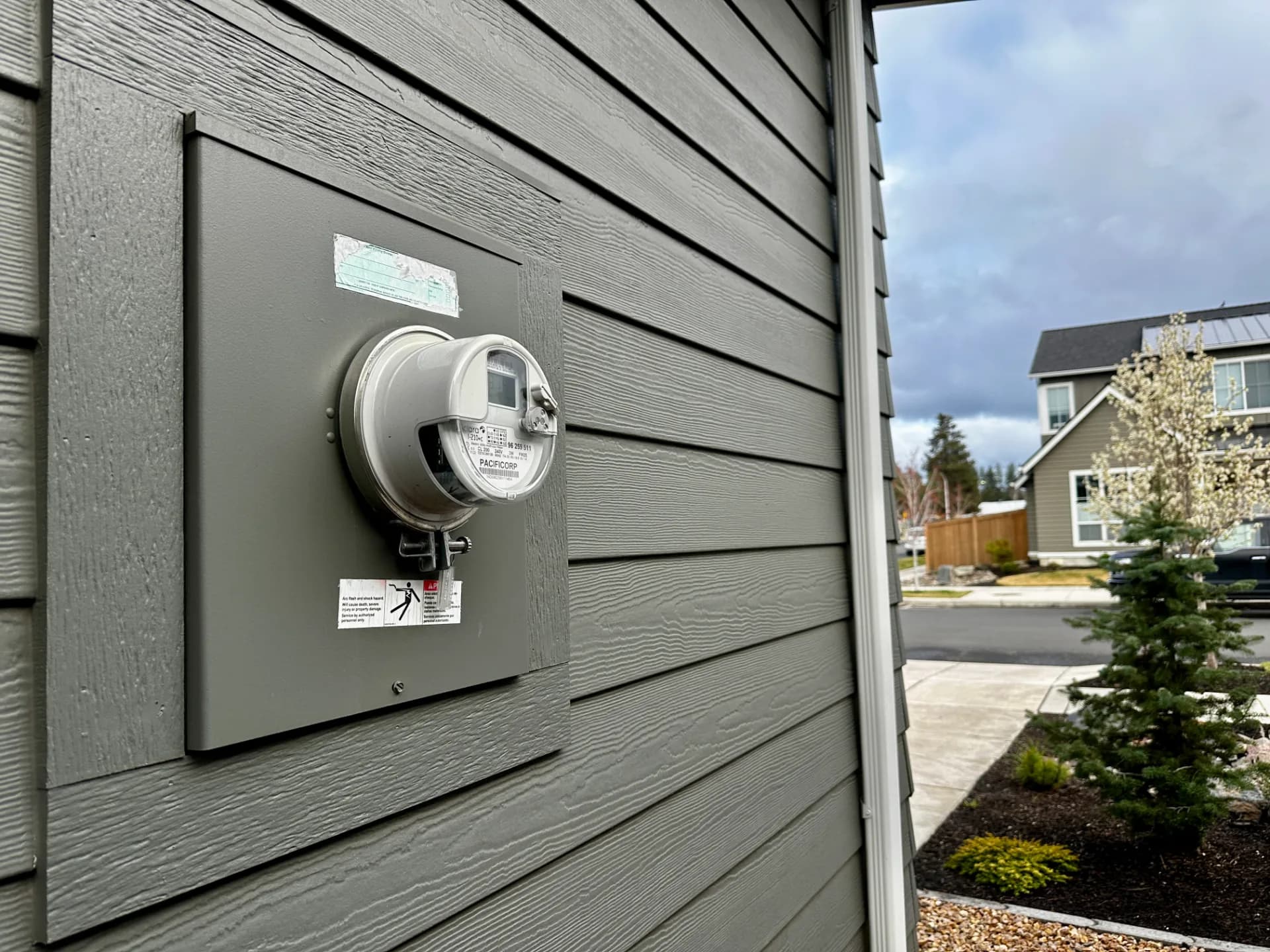
Metering and billing: Determine whether units are master-metered or individually metered. Submetering or billing tenants for electricity involves compliance with local landlord-tenant and utility rules.
Lease language: Update leases to reflect how solar affects utility responsibility, maintenance access, and roof/structural warranties.
Roof condition and orientation: Roofing age, slope, and shade affect system size and return on investment. Budget for roof repairs if needed before installation.
Financing and taxes: Landlords can finance systems, but confirm tax and depreciation rules with an accountant, don’t assume incentive eligibility without checking current rules.
Permits and HOA rules: Check local permitting and any homeowners association restrictions in your jurisdiction.
Incentives and local programs to explore
Oregon has state and utility-level programs that can improve solar project economics for rental properties. Incentives and net metering rules change, so verify current options before moving forward. For an overview of available opportunities and policies in the coming year, see our resources on 2026 Oregon Solar Incentives.
Also check net metering and interconnection rules with the local utility, Pacific Power or Portland General Electric, since how excess generation is credited affects financial outcomes.
Battery backup: resilience that rents well
Battery systems paired with solar increase tenant safety and comfort during outages. For rentals where tenants value reliability—such as multi-family units, accessible housing, or properties with medical-device users—backup power can be a differentiator.
Keep in mind batteries add cost, require permits, and need a plan for maintenance and end-of-life replacement. Determine who pays for installation and maintenance ahead of time and capture those terms in lease agreements.
How to present solar to prospective tenants
Highlight cost predictability: Explain how solar reduces variability in energy bills and, if utilities are included, how that simplifies monthly budgeting.
Showcase resilience: If the property has battery backup, note what circuits or appliances remain powered during an outage.
List efficiency upgrades: Combine solar with insulation, high-efficiency appliances, and EV charging to create a strong marketing package.
Provide simple, transparent numbers: Offer sample monthly utility comparisons or an estimated energy savings scenario, avoid guarantees and advise tenants that generation varies.
Where to go next for Oregon landlords
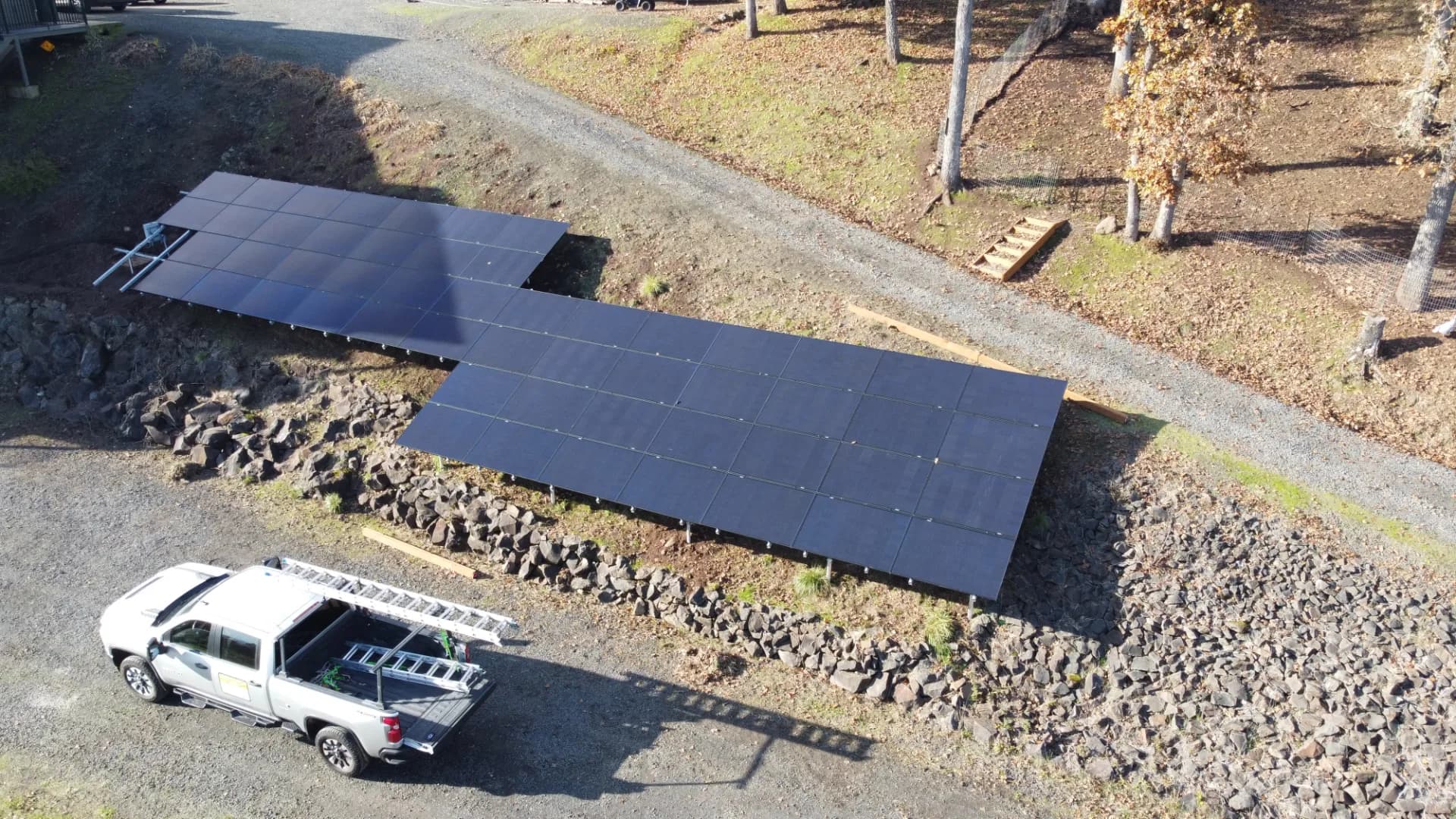
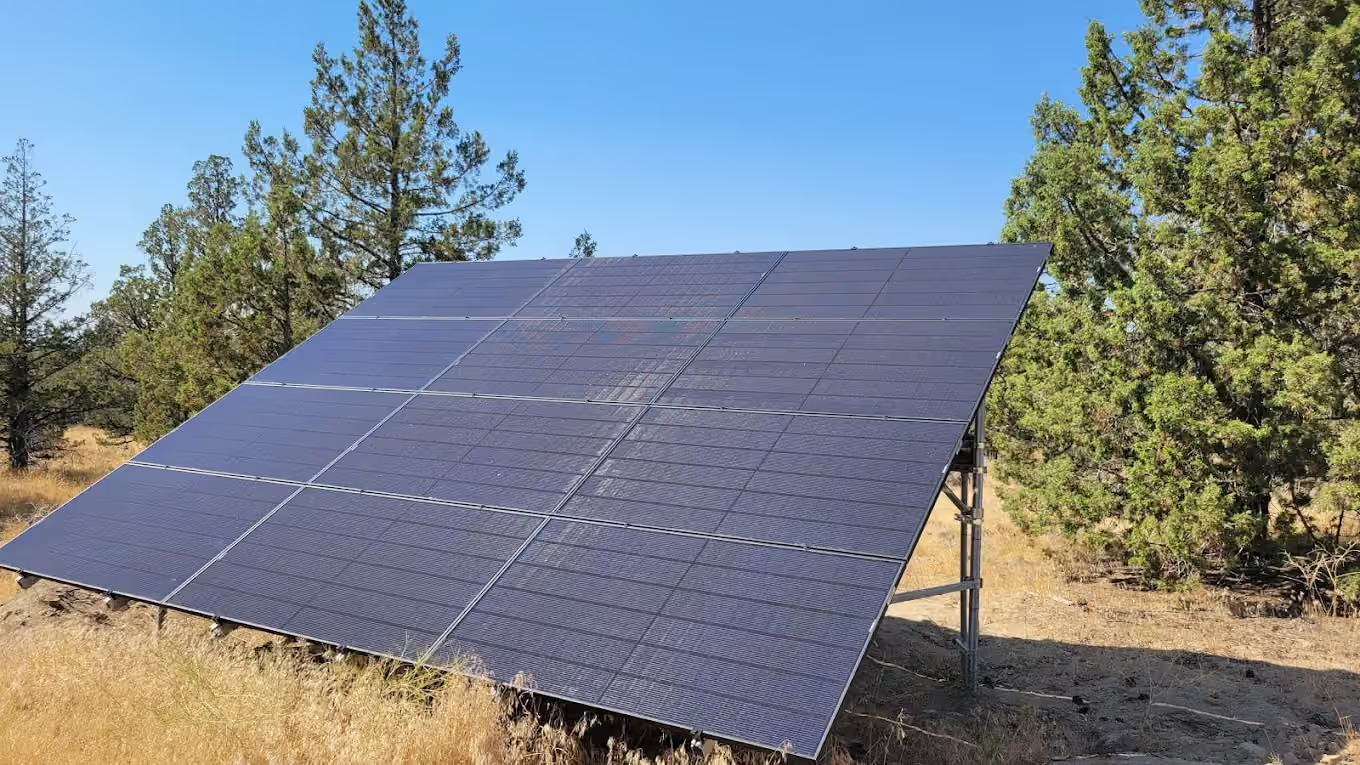
Start with a site assessment to evaluate roof condition, expected production, and whether your property is better served by rooftop or ground-mount solar. Confirm current programs and net metering rules with your utility and consult a tax advisor about incentive eligibility. When you’re ready, work with a licensed Oregon installer who can handle permits, interconnection, and lease-friendly installation practices.
Ready to discuss solar for rental homes?
If you manage rentals in Oregon and want to explore options that fit your business goals—lower operating costs, happier tenants, and better resilience, contact a local, licensed installer who understands landlord-tenant considerations and local incentives.
People also ask
What people ask us about A Landlord’s Guide to Lower Costs and Better Tenants
Can a landlord claim solar incentives for a rental property?
In many cases landlords can access federal, state, or utility incentives for solar installations on rental properties, but eligibility and how credits apply can vary. Always confirm current program rules and consult a tax professional before assuming incentive availability.
How do you bill tenants when the landlord owns the solar system?
Billing options include including utilities in rent, offering a rent discount that reflects lower energy costs, or using submetering or tenant credits. Each approach has legal and utility implications—check local landlord-tenant laws and your utility’s rules before choosing a method.
Does solar increase property value for rental homes?
Solar can increase a property’s marketability and perceived value to tenants, particularly when paired with reduced utility costs or resilience features. While studies show positive effects on resale value, landlords should evaluate local rental market conditions and financing costs.
Is battery backup worth it for rental properties in Oregon?
Battery backup can be a strong selling point in areas prone to outages and adds meaningful resilience for tenants. However, batteries add cost and require maintenance planning. Consider tenant needs, property type, and budget when deciding.
Do I need permission from my utility to install solar on a rental unit?
Yes. Installations require interconnection agreements and may be affected by net metering policies from utilities like Pacific Power or Portland General Electric. Work with a licensed installer to handle permitting and utility coordination.

Written by
Clint Libby
Bend, OR