Ground‑Mount Solar Cost in Oregon: Permits, Site Prep, and True Installed Price
A practical guide to ground‑mount solar cost in Oregon: what affects price, permit and site‑prep steps, options for rural battery backup, and how to get an accurate estimate from National Solar.
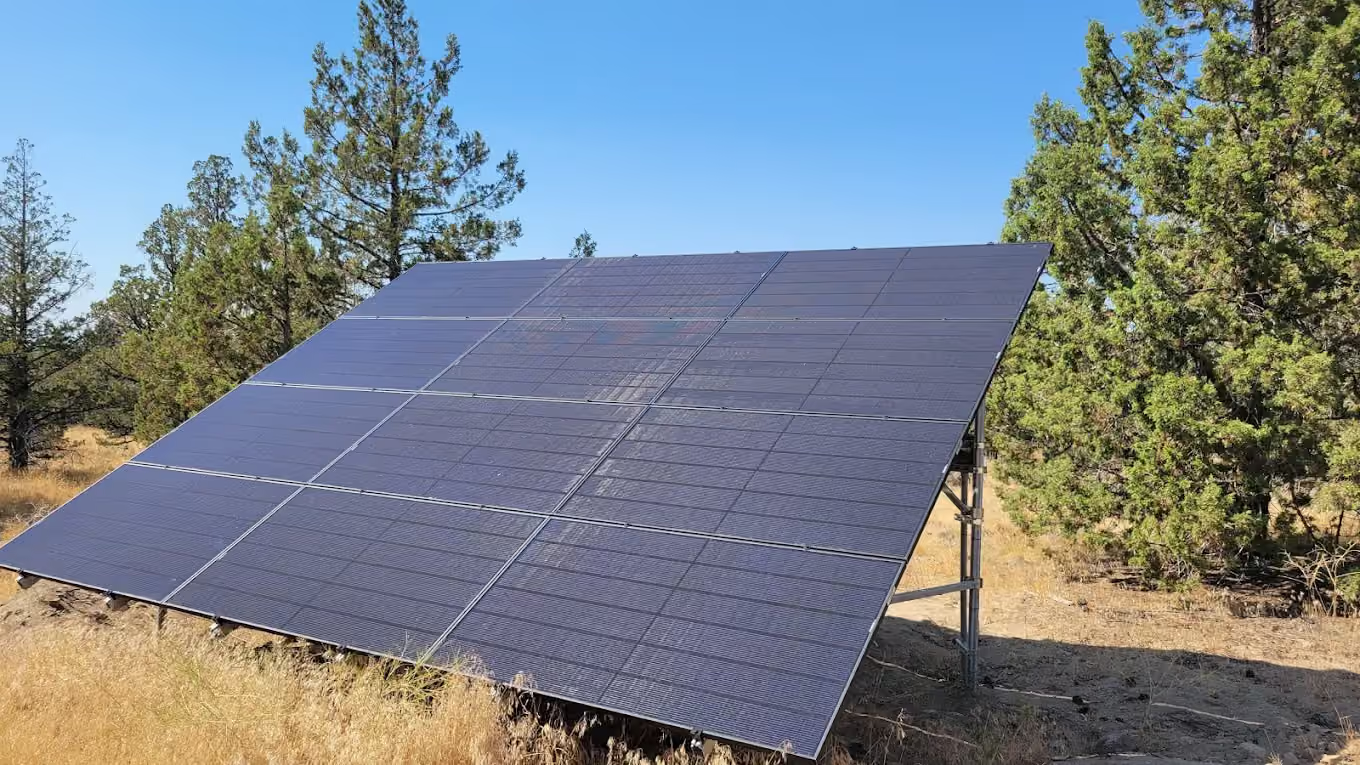
Why ground‑mount solar in Oregon is different
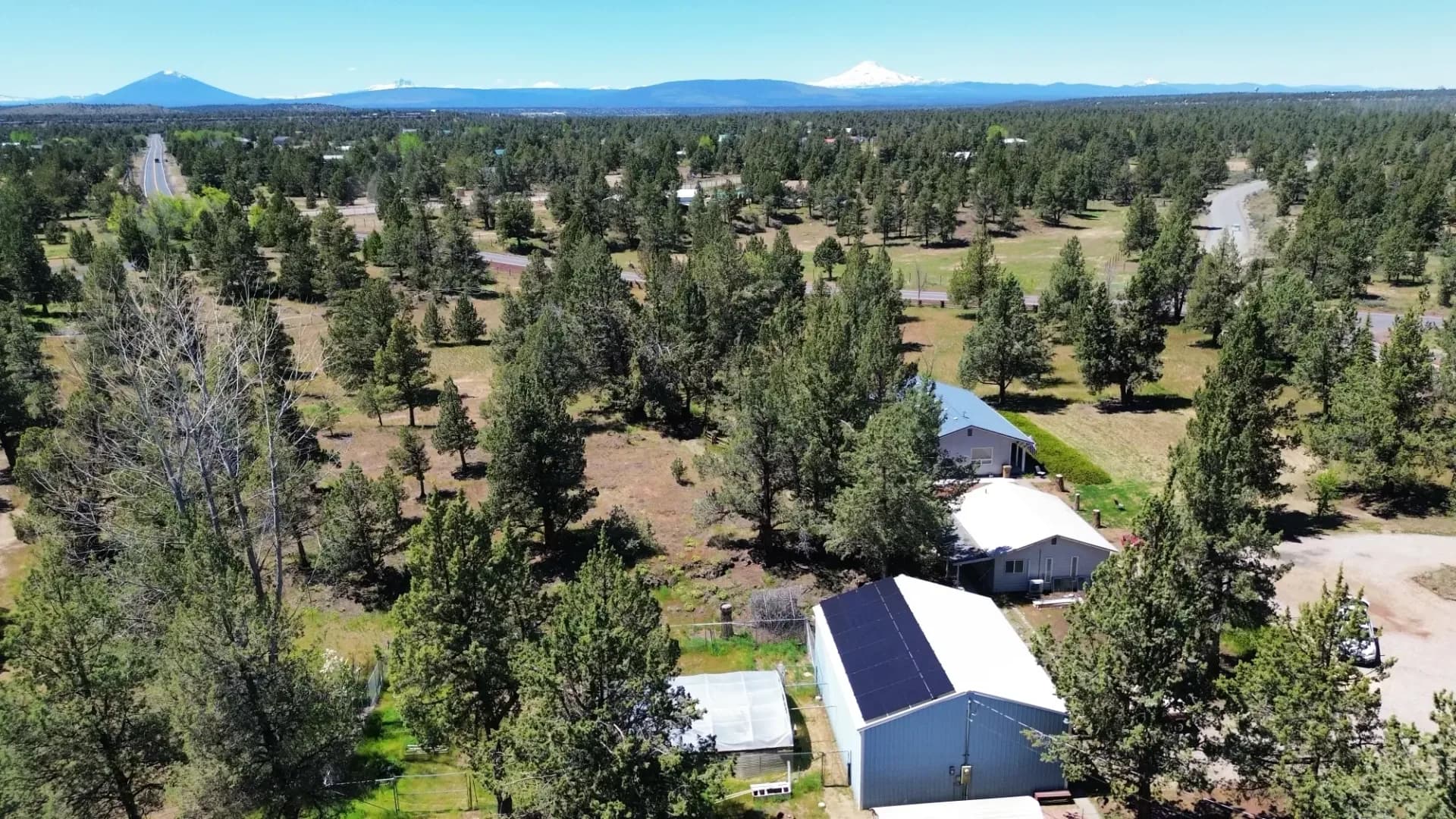
Ground‑mounted solar systems are a strong option for Oregon homeowners with space away from their roof—common on rural properties, farms, and new builds. Compared with rooftop arrays, ground mounts allow flexible tilt and orientation for better year‑round production, easier maintenance, and simpler shading management. But they also introduce extra costs and permit steps you should plan for.
Major factors that determine ground mount solar cost in Oregon
The total installed price depends on several interrelated factors. Understanding these helps you compare quotes from ground mount solar installers in Oregon and avoid surprises.
- System size and production goals — Bigger systems require more panels, racking, and inverters. Decide whether you want to offset a portion of your bill or cover most of your annual usage.
- Equipment quality — Panels, inverters, and mounting hardware vary in performance and warranty. We document warranties and options on our SolarMax Warranty page.
- Site preparation and ground conditions — Rocky soil, steep slopes, or poor access can increase excavation, grading, and foundation costs. Rural sites may need new access roads or longer trenching runs for electrical conduit.
- Labor and logistics — Remote locations raise travel time and transport costs for crews and heavy equipment.
- Permitting, inspections, and interconnection — County permits, electrical permits, and utility interconnection fees (Pacific Power and Portland General Electric customers follow different procedures) add time and cost.
- Optional battery backup and EV charging — Adding a battery for backup or an EV charger changes system design and increases installed cost, but provides resilience. Learn about EV charging installations on our EV Charging page.
Permits and approvals: what to expect in Oregon
Permit requirements vary by county and city. Typical steps include a building/electrical permit, structural or foundation plans for the racking, and an inspection after installation. If you’re in a rural area, you may also need to confirm setbacks or land‑use requirements with your county.
Utility interconnection is a separate process. If you plan to export power or use net metering, you’ll work with your utility—Pacific Power or Portland General Electric—to complete interconnection paperwork and inspections. Your installer can handle much of this process, but plan for several weeks from application to final approval.
Site prep checklist for accurate estimates
Ask installers to assess these items during a site visit so your estimate reflects the true installed price:
- Access for trucks and equipment, and whether a temporary access road is needed.
- Soil type and the need for rock drilling or concrete footings.
- Vegetation clearing, tree trimming, or fencing for livestock protection.
- Distance to the main electrical panel and any required trenching length.
- Possible grading to create a flat, uniform array area.
Rural solar and battery backup in Oregon
For rural homeowners, pairing a ground‑mounted array with battery backup improves resilience during outages and utility shutoffs. Rural installations frequently require longer runs for conduit and sometimes larger inverter or battery banks to meet resilience goals. Discuss your outage tolerance (hours vs. days of backup) with your installer so they can size the system appropriately.
We offer residential solar services and battery solutions tailored for Oregon homes. For ongoing service, including repairs and maintenance, see our Service & Repair information.
How to get a realistic quote: questions to ask installers
- Will your quote include permits, interconnection, and final inspections?
- What foundation method is proposed for my soil type (screw piles, concrete piers, etc.)?
- Which brands and warranties are included? (See our SolarMax Warranty for warranty options.)
- Is site prep, grading, and fencing included or quoted separately?
- How will a battery or EV charger affect design and cost? (We install both—see EV Charging.)
- Do you offer payment options or financing? (Learn more on our Payment Options page.)
Comparing installers in Oregon
When evaluating ground mount solar installers Oregon, prioritize companies with local experience, proper licensing, and a track record of installations in similar site conditions. National Solar has installed custom systems across Oregon since 2009 and works with homeowners, builders, and commercial clients—see our Home Builders and Commercial Solar pages for examples of other project types.
Next steps: getting a site visit and estimate
The most reliable way to learn the true installed price is a site visit with a detailed proposal. A good proposal will list equipment, foundations, site‑prep items, permitting fees, interconnection steps, and optional add‑ons like battery backup or EV charging.
Contact us to schedule a consultation and site assessment so we can provide a tailored estimate for your property and goals. Use our Contact page to get started.
People also ask
What people ask us about Permits, Site Prep, and True Installed Price
How long does permitting and interconnection take in Oregon?
Timelines vary by county and utility. Expect permitting and interconnection with Pacific Power or Portland General Electric to take several weeks to a few months in some cases. Your installer can submit paperwork and track the process, but build the timeframe into your project schedule.
Do ground mounts need concrete foundations?
Not always. Foundations depend on soil and wind loads—options include ground screws, driven piles, or concrete piers. A site assessment will determine the best and most cost‑effective foundation method for your property.
Can I add battery backup to a ground‑mounted array?
Yes. Ground‑mount systems often pair well with batteries because there’s flexibility for inverter and battery placement. Discuss your outage goals and preferred backup duration so the system can be sized correctly.
Will a ground‑mounted system require more maintenance than rooftop panels?
Maintenance needs are similar—regular visual inspections, occasional cleaning, and periodic electrical checks. Ground mounts can be easier to access for maintenance and repairs, but may require vegetation control or fencing on rural sites.
Are there incentives in Oregon that reduce ground‑mount costs?
Oregon has federal, state, and utility incentives that can reduce upfront cost or improve payback. Incentives and eligibility change over time—confirm current programs with your installer and local utility before making decisions.

Written by
Clint Libby
Bend, OR