How Solar Installation and Battery Storage Protect Your Oregon Home from Wildfires
A practical guide for Oregon homeowners on how a solar installation paired with battery storage improves wildfire resilience. Learn design choices, safety steps, and what to ask your installer.

Why Oregon homeowners are considering solar installation for wildfire resilience
Wildfires and related utility actions can cause extended outages, smoke that reduces solar output, and property risks across Oregon. Pairing solar panels with battery storage turns a roof-mounted system into a resilience tool. It won’t eliminate all risks, but a properly designed solar-plus-storage setup can keep lights on, preserve refrigerated food and medicine, and power critical systems during grid interruptions.
How solar + storage helps during wildfire season
Solar panels generate electricity when the sun is available; batteries store that energy for use when the grid is down. For wildfire-related events, that combination offers practical benefits:
Backup power for critical circuits. Batteries can power selected circuits—refrigeration, lights, communications, medical equipment, and well pumps—so you can maintain essential needs during outages.
Resilience during preemptive shutoffs. Utilities sometimes de-energize lines to reduce fire risk. A battery-enabled system can supply local power independent of the grid when configured for intentional islanding.
Faster recovery and reduced generator dependence. Battery systems start instantly and need less maintenance than gas generators. They can also reduce generator runtime and fuel needs if you keep one as a supplement.
On-site energy when roads are blocked. During evacuations or access delays, having power on-site helps with communications, lighting, and critical equipment.
Important: what batteries can and cannot do
Batteries can support defined loads for a limited time. They may provide whole-home backup if sized accordingly, but many homeowners choose to prioritize critical circuits to keep battery costs reasonable. Discuss your needs with an installer to set realistic expectations for duration and capacity.
Design choices that improve wildfire safety
How a solar installation is designed affects both performance and safety during wildfire season. Consider these key design factors when planning your system:
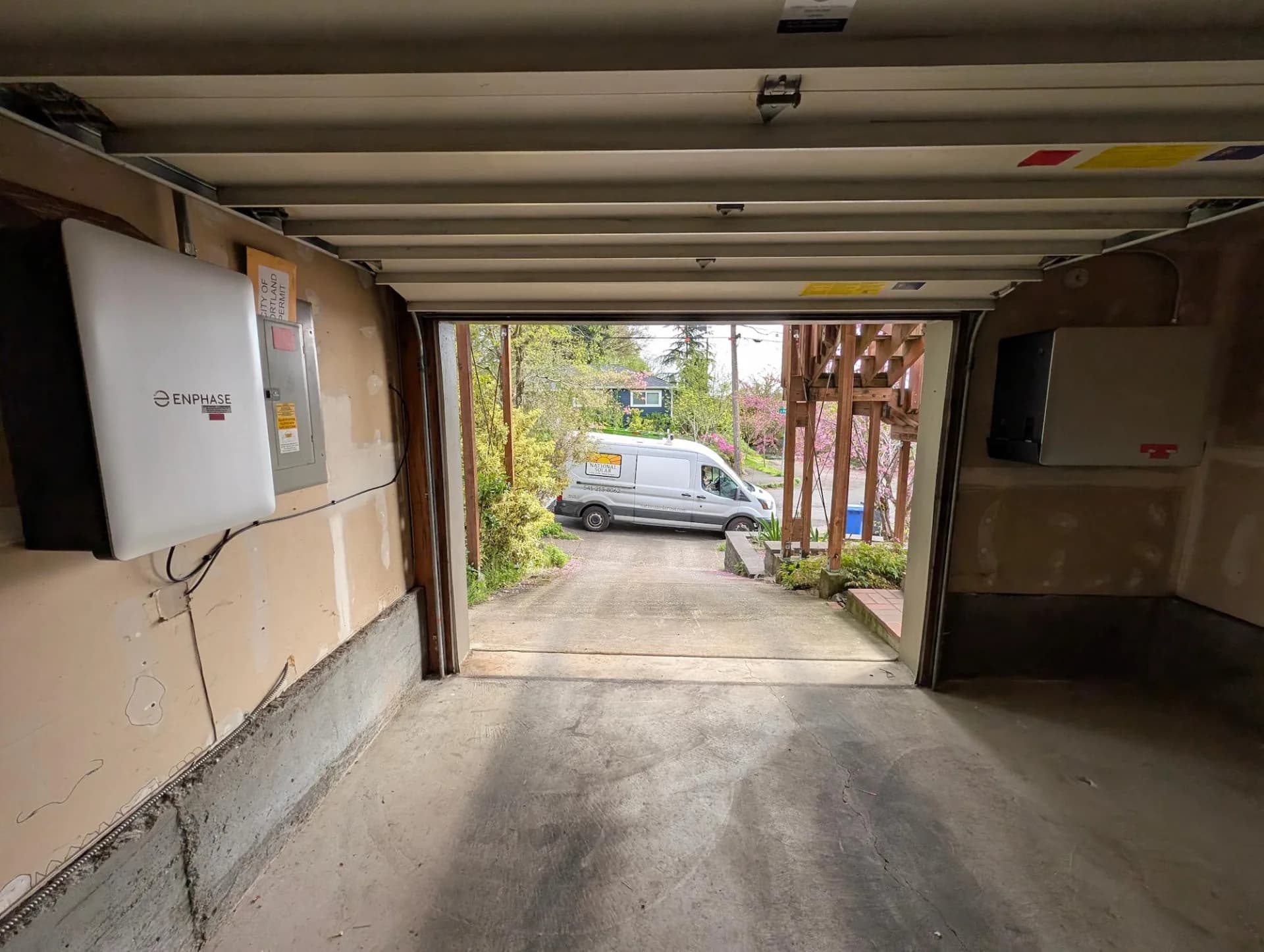
Backup-capable inverters and transfer systems. To use solar and battery power during outages, your system needs an inverter and transfer equipment that support safe islanding. Ask your installer about automatic transfer switches and how critical loads will be routed.
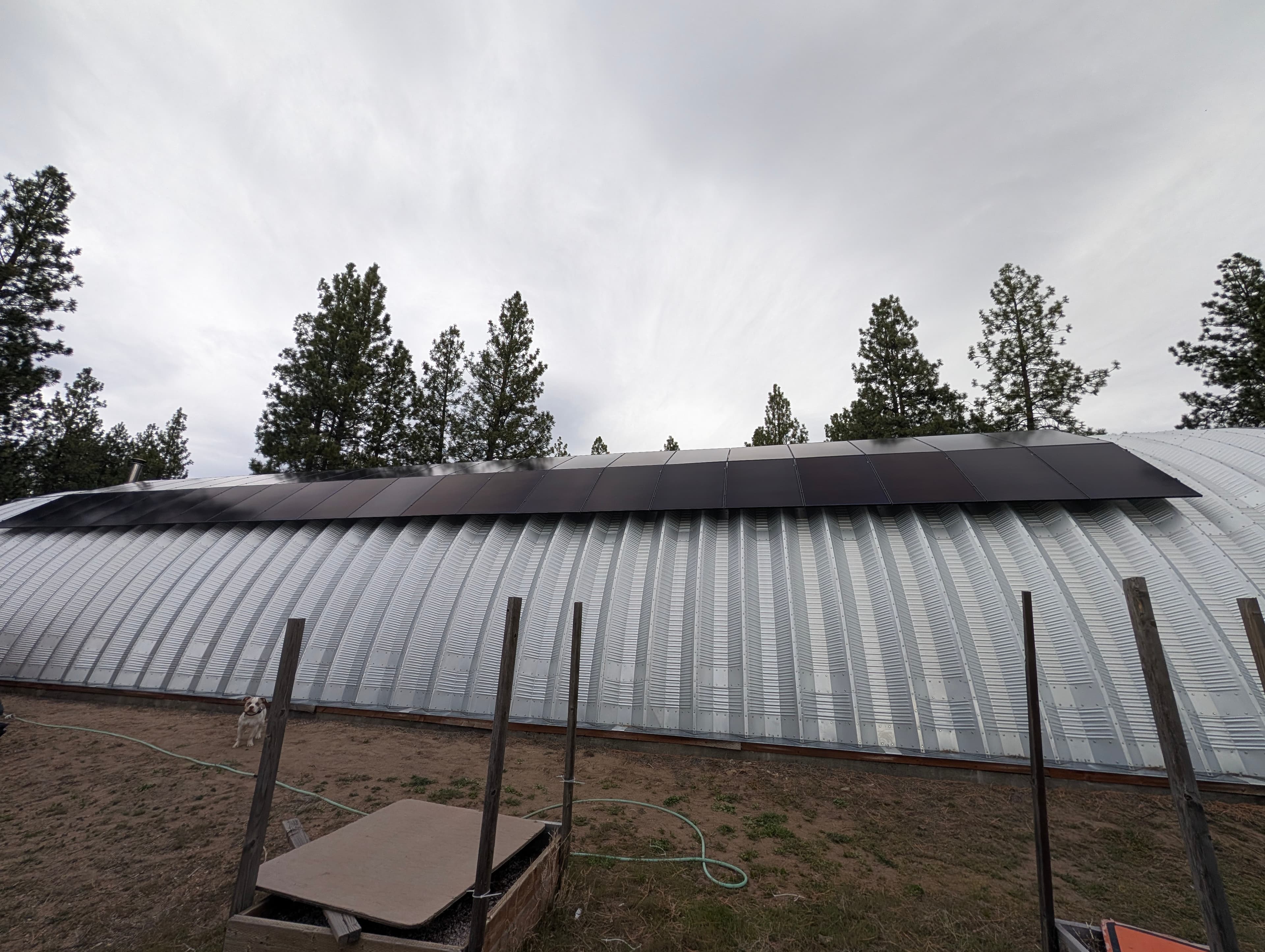
Panel placement and access. Install panels so they don’t block eaves or roof access points firefighters may need. Clear, labeled access routes and roof-edge markings help emergency responders evaluate and access your property.
Equipment location. Place batteries and inverters in ventilated, accessible locations away from likely ember entry points whenever possible. Follow manufacturer and local code guidance for clearances.
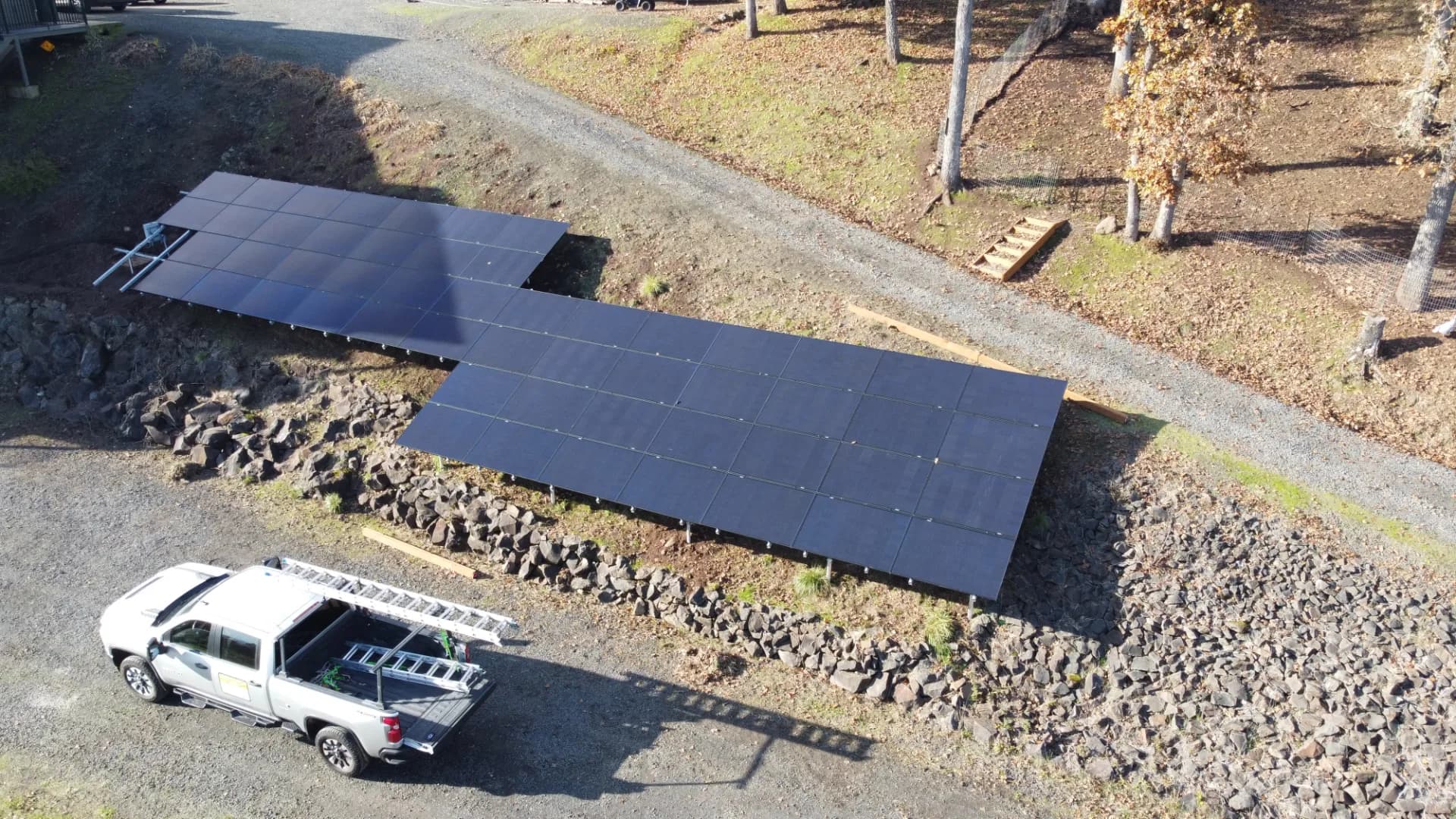
Site-specific systems for rural properties. If your home has ample land, a ground-mounted array can be a good option for spacing and serviceability. Learn more about ground-mounted options at Ground Mount Solar System.
Coordination with local fire and utility rules
Local fire departments and utilities have requirements for rapid shutdown, equipment labeling, and safe access. An experienced installer will coordinate permits and design to meet those rules. Before installation, ask how the system will be marked for firefighters and whether additional clearances or inspections are needed in your area.
Preparing your system before wildfire season
A few proactive steps improve safety and performance:
Create a critical-load list. Decide which circuits matter most during an outage—refrigerator, medical devices, well pump, communications—and have your installer size backup to cover them.
Maintain defensible space. Keep vegetation trimmed away from solar equipment and access paths clear for emergency crews.
Schedule a pre-season inspection. Have a qualified technician check mounts, wiring, inverter operation, and battery health before fire season.
Document your system. Keep a simple map of solar and battery locations, inverter types, and shutoff points for household members and first responders.
What to do during a wildfire or a utility shutoff
Follow official evacuation and safety instructions first. For your solar system, here are practical steps:
Follow utility and emergency instructions. If the utility or authorities tell you to shut off rooftop systems or power, follow their guidance. Never attempt to override utility directives.
Use backup as configured. If your system is set up for backup, it should transition automatically. Confirm with your installer how automatic transfer will work and whether manual steps are needed.
Avoid roof work during active fires. Do not attempt to clean panels, inspect wiring, or perform maintenance while a wildfire is active or the area is unsafe.
After a fire: inspections and maintenance
Smoke, ash, heat, and embers can affect solar panels, mounts, and battery equipment. After conditions are safe and authorities allow access:
Arrange a professional inspection. Have a licensed installer inspect panels, mounts, wiring, and battery enclosures for heat, water, or debris damage before you rely on the system again.
Careful cleaning. Ash can reduce panel output. Cleaning should be done safely—either by professionals or following manufacturer guidance—once it’s safe to access the roof.
Check warranty and insurance. Document damage with photos and contact your installer and insurer. Your installer can advise on warranty coverage and next steps.
Working with an experienced local installer
Choosing the right installer matters more than ever in wildfire-prone areas. A good installer will:
Assess wildfire risk and recommend appropriate equipment and placement.
Size battery backup around your critical loads and explain realistic outage durations.
Coordinate permits, utility interconnection, and any firefighter-access requirements.
If you’re exploring options, consider starting with a professional residential solar installation consultation to review site specifics, backup needs, and long-term benefits for your home.
Financing, incentives, and next steps
Incentives and tax credits for solar and storage may be available at the local level. These programs change over time, so confirm current eligibility with a trusted installer or tax professional. Your installer can also outline financing options and a timeline for design and permitting. Read more about available solar incentives in Oregon here.
Final checklist: Is solar installation with storage right for your wildfire resilience plan?
Do you need backup power for critical circuits? If yes, a battery-equipped system can help.
Is your property design-compatible with safe panel placement and equipment access?
Can a local installer coordinate permits and firefighter-access requirements?
When the answer is yes, a thoughtfully designed solar-plus-storage system can be a practical part of a broader wildfire preparedness plan.
Ready to talk through options?
We’re a local Oregon team experienced with wildfire-aware designs. Book a free consultation to review how a solar installation and battery storage could support your home’s resiliency and safety.
People also ask
What people ask us about How Solar Installation and Battery Storage Protect Your Oregon Home from Wildfires
Will my solar panels work during smoky conditions?
Smoke and ash can reduce the sunlight reaching panels and lower output. Panels still produce some power in smoky conditions, but production is typically reduced. Cleaning heavy ash and having battery storage can help maintain usable power during these periods.
Do I need a battery to have power during a wildfire-related outage?
Yes—without batteries, grid-tied solar systems shut off during outages for safety. Batteries paired with a properly configured inverter and transfer equipment enable your home to run independently of the grid during outages.
Are home batteries safe in wildfire areas?
Modern battery systems include safety features and must meet electrical and fire codes. Correct siting, ventilation, and professional installation reduce risks. Discuss manufacturer requirements, local code compliance, and insurance with your installer.
What should I do with my solar system after a nearby wildfire?
Only enter your property when authorities say it’s safe. Then arrange a professional inspection to check panels, mounts, wiring, and batteries for heat, water, or debris damage before using the system again.
Will installing solar affect permits or interaction with local fire departments?
Installers handle permits and typically design systems to meet local fire and utility requirements, including markings and access. A qualified local installer will coordinate with authorities and ensure your system complies with local rules.

Written by
Clint Libby
Bend, OR