Backup Power Strategies for Central Oregon Homeowners During Lightning and Fire Season
Recent lightning strikes and active wildfires in Central Oregon have left many homeowners thinking about backup power. This short guide covers safe, practical options for families in Sunriver, Bend, and Sisters.

Why recent lightning and fires make backup power essential
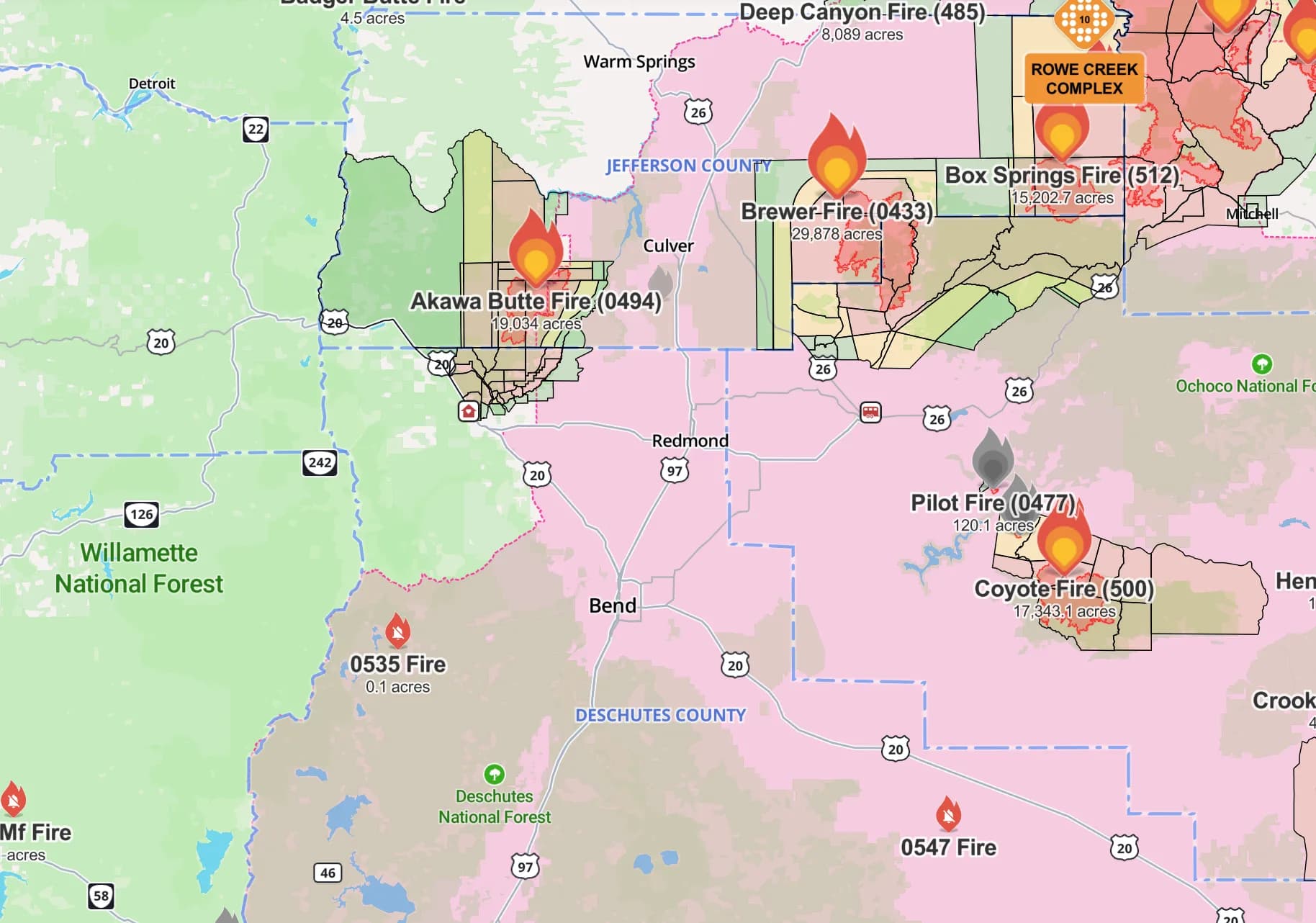
Central Oregon communities from Sunriver to Bend and Sisters have experienced lightning storms that can trigger fires and cause sudden power outages. Active wildfires nearby also increase the likelihood of utility interruptions, evacuation notices, and air-quality impacts. For Oregon homeowners, reliable backup power helps keep essential systems running, preserves food and medication, and maintains communications during these events.
Assess your risks and priorities
Start by thinking about what you absolutely need during an outage. Common priorities include lights, refrigeration, sump pumps, well pumps, medical devices, and Wi‑Fi or phone charging. Deciding what to power first will guide the size and type of backup system you need.
Quick checklist
List essential circuits and devices you want backed up.
Check local alerts from county offices, InciWeb, and Oregon Department of Forestry for current fire conditions.
For a detailed look at current risks in Central Oregon, please check out Watch Duty.
Sign up for Pacific Power, CEC, Midstate, or Portland General Electric outage notifications for your service area.
Backup power options for Oregon homes
There are several practical ways to add resilience. Each has trade-offs for runtime, cost, noise, and maintenance.
Battery backup (solar-ready)
Battery systems give instant, quiet power and are especially useful for critical loads and seamless transitions during short outages. When paired with rooftop solar, batteries can recharge during the day and extend backup time. Learn more about available battery storage options in Oregon and how they integrate with home solar.
Standby and portable generators
Generators can power larger loads for longer, but they require fuel and safe setup. Automatic standby generators that switch on during an outage are convenient for whole‑house needs; portable units are less expensive but need careful transfer switching and ventilation.
Hybrid approaches
Many homeowners combine a battery for immediate, quiet backup of critical circuits with a generator for extended outages or high-energy needs. Discuss hybrid setups with a licensed installer to ensure compatibility and code compliance.
Safety, permits, and working with pros
Always hire licensed electricians and installers to size systems, install transfer switches, and pull permits. Improper generator connections and DIY wiring create fire and electrocution risks. Licensed installers know local code, utility interconnection rules, and can advise on wildfire-safe placement and venting.
Additional safety steps
Create defensible space around your home and follow local fire-prevention guidance.
Keep an emergency kit with water, masks for smoke, and battery-powered radios or chargers.
Plan evacuation routes and store important documents offsite or digitally.
Next steps for Central Oregon homeowners
If recent lightning or current fires have you thinking about resilience, start with a load audit and a conversation with a licensed installer who understands Oregon utilities and wildfire risks. A tailored plan can combine batteries, solar, and generators to meet your needs.
People also ask
What people ask us about Backup Power Strategies for Central Oregon Homeowners During Lightning and Fire Season
Can a battery backup power my whole house during a wildfire-related outage?
It depends on the battery size, your home's energy use, and which loads you prioritize. Batteries are excellent for instant backup of critical circuits and can be paired with solar or a generator for longer outages. A licensed installer can model runtimes and recommend sizing that fits your needs.
How long will a battery backup last during an outage?
Runtime varies by system capacity and what you choose to power. Smaller systems might support critical circuits for several hours; larger systems or combinations with solar and generators can extend that to days. Discuss realistic expectations with your installer and prioritize essential loads.
Are battery systems safe during wildfire conditions?
Modern battery systems are installed to meet safety codes and include monitoring and protective equipment. Proper siting and installation by licensed professionals reduce risks. If you have immediate concerns during active fires, follow local emergency guidance and contact your installer or utility.
Should I get a generator, a battery system, or both?
Each option has advantages: batteries are quiet and seamless for short outages, while generators supply longer durations if you have fuel. Many homeowners choose a hybrid approach for the best balance of convenience and extended resilience. A professional assessment will identify the most cost‑effective solution for your home.
Are there incentives for backup power or solar plus storage in Oregon?
Incentives and programs change over time and vary by utility and local jurisdictions. There are sometimes state or utility programs that support storage or solar. Check current details with your installer, local utility (Pacific Power or Portland General Electric), and state incentive resources before making decisions.

Written by
Clint Libby
Bend, OR