Roof Replacement with Solar in Oregon: A Contractor Checklist to Remove, Reinstall, and Avoid Delays
A practical checklist for Oregon homeowners planning a roof replacement while keeping solar panels. Learn how to coordinate roofer and solar installer, manage permits, and avoid common delays.

Why careful planning matters for roof replacement with solar in Oregon
Replacing a roof when you have a solar array adds steps and coordination that typical roof jobs don’t require. Good planning reduces downtime of your system, prevents accidental damage to panels or wiring, and helps preserve warranties. This checklist is written for Oregon homeowners and contractors to streamline the process—from initial assessment through final reinstallation and inspection.
Before you start: initial actions and research
1. Review system documentation and warranties
Locate the original installation documents, single-line diagrams, and any warranty paperwork. If your system has coverage through the SolarMax Warranty or other provider, read the terms about removal, reinstallation, and work by third parties. If you can’t find documentation, contact the installer or the company that did the work—this is important for maintaining warranty coverage.
2. Schedule a site inspection with your solar installer
Request a site visit from your solar installer to evaluate the array and provide a removal and reinstallation plan. A professional assessment should include:
Inventory of panels, inverters, racking, and microinverters
Labeling approach for modules and electrical connections
Estimated removal/reinstall labor and timing
Required permits or inspection coordination
National Solar customers can get service or assessments through our Service & Repair team.
3. Check roof condition and timing
Have the roofer assess the entire roof deck, flashing, and valleys before removal. If the roof has underlying issues, consider addressing them now to avoid repeating the process. Learn more about how solar and roof health interact on our Solar & Your Roof page.
Permits, inspections, and roof permit considerations
Each Oregon city or county can have different rules. Confirm permit needs early—both for the roofing work and any electrical reconnections when the system is reinstalled.
Ask the roofer which permits they will pull and what documentation they need from the solar contractor.
Determine whether the solar removal and reinstallation require separate electrical permits or inspections.
Plan for inspection windows. Scheduling inspections often adds several business days to your timeline.
Document approval conditions and keep permit numbers accessible to both contractors.
Coordinating roofer and solar installer
Coordination is the most critical step to avoid delays and extra costs. Use these steps as a contractor checklist when you have solar on the roof.
1. Appoint a single point of contact
Designate one homeowner or contractor contact who communicates with both teams. This avoids missed messages and schedule conflicts.
2. Align the schedule tightly
Plan removal to occur the morning the roofer starts or the day before, and reinstallation to begin as soon as the roofing work and inspections are complete. Minimizing the time panels are off the roof reduces outage time and lowers the chance of weather exposure or theft.
During roofing: what to expect and verify
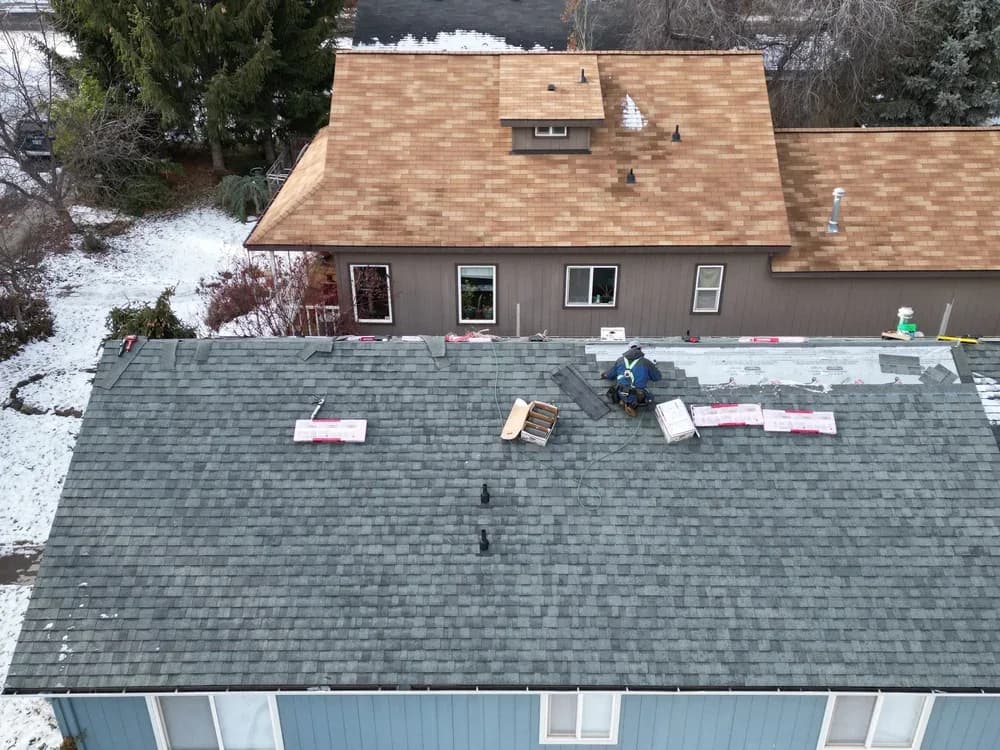
The roofer will replace decking, underlayment, shingles, and flashings as needed. Verify the following:
New flashing and roof penetrations meet the racking manufacturer’s instructions.
The roof deck is dry, clean, and structurally sound where racking will be mounted.
Any upgraded penetrations or curb work needed for roof-mounted equipment are completed before reinstallation.
Discuss with the roofer whether they will seal around penetrations or leave that to the solar installer during reinstallation.
Solar reinstallation timing and final checks
Reinstallation should be scheduled immediately after required roofing inspections pass. Before panels go back on the roof:
Confirm the roof inspection sign-off and hold copies in project records.
Verify racking alignment and anchor points conform to the original engineering or updated specs.
Have the installer perform an electrical continuity test and check grounding and bonding connections.
Schedule utility or other inspections if required to re-energize the system.
After reinstallation, expect commissioning tests: string-level measurements, inverter checks, and monitoring system validation. If your system has manufacturer or installation warranties, ensure the work aligns with their requirements to preserve coverage.
Avoiding common delays and extra costs
Book both crews well in advance—6–8 weeks before roofing start is a good rule of thumb, especially in busy seasons.
Pre-order any specialized racking components or replacement modules to prevent supply delays.
Confirm on-site staging areas and parking for crews to avoid last-minute logistics issues.
Have contingency funds for unforeseen decking replacement or flashing upgrades.
Documentation and post-work follow-up
Keep a project folder that includes the removal map, photos, permit approvals, inspection reports, and final commissioning records. That documentation is valuable for future service or warranty claims. Learn how we handle ongoing system care on our Service & Repair page.
Alternatives and additions to consider
If roof penetration complexity is high, consider a Ground Mount Solar system as an alternative for part of the array.
If you’re planning electrical upgrades, such as an EV charger, coordinate that work with the reinstallation—see our EV Charging offerings.
Homeowners building new or doing major remodels should consult our Home Builders resources early in planning.
Costs and payment logistics
Removal and reinstallation cost vary by system size, accessibility, and roof complexity. Ask both contractors for itemized quotes and timelines. Consider financing or payment options if you expect larger repair costs—see our Payment Options page for typical approaches.
Who to call for help
If your original installer is still available, they are usually the best choice to remove and replace your array to preserve knowledge of the system layout and warranties. If you’re exploring other providers, check experience with roof removals and re-installations specific to Oregon code and weather conditions. For residential solar projects, our Residential Solar team can provide assessments; we also support Commercial Solar clients. You can also contact Greenlee Roofing if you are in Bend, Oregon, one of Central Oregon's oldest family-owned roofing companies.
Final checklist before work begins
Obtain and save all permits and inspection schedules.
Get signed scopes and timelines from both roofer and solar installer.
Document panel layout, take photos, and label all components.
Confirm staging, storage, and weather contingency plans.
Verify warranty terms and confirm no actions will void coverage.
Next step: book a consultation
If you’re in Oregon and planning a roof replacement with solar, we can help with inspection, removal, reinstallation, and documentation to minimize disruption. Book a free consultation or estimate through our Contact page and we’ll walk you through the local permitting and scheduling considerations.
Want to learn more about local solar topics and tips? Visit our Blog or return to Home.
People also ask
What people ask us about A Contractor Checklist to Remove, Reinstall, and Avoid Delays
How long will my solar system be offline during a roof replacement?
Downtime depends on site logistics, roof complexity, and inspection timing. Typical removal, roof work, and reinstallation can range from a few days to a couple of weeks. Minimizing gaps between removal and reinstallation reduces outage time—coordinate both crews tightly and plan inspections in advance.
Will removing panels void my solar warranty?
Not necessarily. Many manufacturers and warranties allow removal and reinstallation if performed per their guidelines and by a qualified installer. Always check your specific warranty terms and document the work. If in doubt, consult the installer or the warranty provider before work starts.
Do I need separate permits for solar removal and roof replacement in Oregon?
Permit requirements vary by city and county. Some jurisdictions treat the electrical reconnection as an electrical permit and inspection, while roofing work requires building permits. Confirm with your roofer, solar contractor, and local permitting office to ensure all necessary permits are pulled.
Can I have only part of my array removed to save money?
Partial removal is possible but increases complexity. The installer must ensure the remaining array is structurally and electrically safe, and that racking load distribution meets engineering specifications. Discuss partial removal with qualified contractors to evaluate feasibility and cost-effectiveness.
What if the roofer damages solar components during work?
Document the condition of the system before work with photos and inventory. If damage occurs, report it to both contractors immediately and consult project documentation and warranties. Having the original installer perform removal and reinstallation can reduce the risk of damage.

Written by
Clint Libby
Bend, OR