Home Electrification Plan in Oregon: When to Add Solar, Batteries, Heat Pumps and an EV
A clear, 5-year roadmap for Oregon homeowners to electrify: reduce loads, add heat pumps, stage solar and batteries, and integrate an EV charger—timed to capture incentives and upgrade needs.


Why stage a home electrification plan in Oregon?
Electrifying a home is a multi-component project: improved building efficiency, heat pumps, rooftop solar, batteries, and an EV charger. A thoughtful home electrification plan in Oregon can reduce upfront costs, help you capture available incentives, and avoid redoing work when you add another system later.
Principles that guide a practical 5‑year plan
Reduce load first. Lowering energy use shrinks the size and cost of later equipment (smaller heat pump, fewer solar panels).
Follow natural replacement cycles. Replace furnaces, water heaters, and appliances with electric options when they near end of life to spread capital expense.
Prepare the building and electrical system early. Fix the roof, update panels and wiring so later solar, batteries, and EV charging are straightforward.
Watch incentives and program timing. Federal, state, and utility programs change—plan to take advantage of current incentives but confirm eligibility before assuming savings.
Year-by-year roadmap
Year 0 (Planning & audit)
Begin with an energy audit: measure current energy use and find quick wins. A basic plan includes attic/duct sealing, insulation where cost-effective, LED lighting, and efficient appliances. An early audit identifies where heat-pump technology will have the biggest impact.
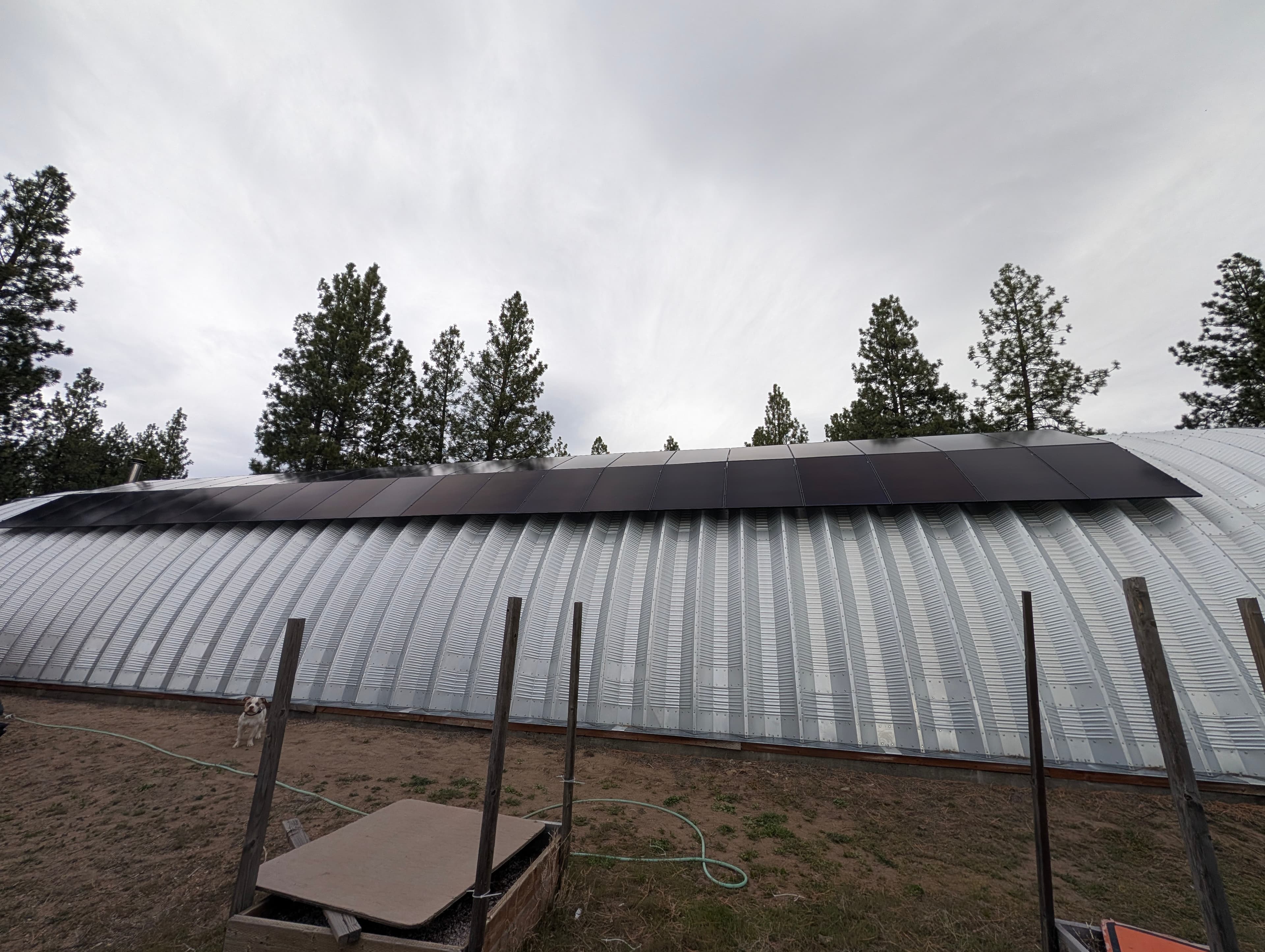
Also check your roof condition and orientation—if it needs repairs, doing that before solar avoids rework. For roof guidance, see Solar & Your Roof.
Year 1 (Efficiency upgrades & electrical prep)
Tackle low- to medium-cost efficiency measures and any electrical-panel upgrades. Common steps:
Insulation, air sealing, and duct repairs.
Switch to heat-pump water heater or high-efficiency electric appliances when practical.
Upgrade the electrical panel or add conduit if you plan EV charging or a battery later.
If you’re building new or planning an addition, coordinate with builders early—see Home Builders.
Year 2 (Space heating electrification — heat pump timeline)
This is the most common moment to add a heat pump for space heating or replace a failing furnace. Follow this heat pump timeline guidance:
If your furnace or boiler is nearing end of life, prioritize a heat pump replacement to avoid short-term repeat costs.
If your HVAC system still has many years left, consider a heat-pump water heater first and plan the timing for space heating replacement.
Check available incentives and local contractor capacity before booking—programs change and can influence timing.
Year 3 (Install solar sized to your new load)
After you’ve reduced energy demand and shifted loads to electric technologies, it’s easier to size solar to actual needs. Installing solar in Year 3 lets you:
Install a right-sized system rather than oversizing because of old, inefficient loads.
Coordinate with any new EV charging to ensure load profiles and panel capacity match your plans.
For residential solar installation options and warranties, learn about Residential Solar and our SolarMax Warranty.
Year 4 (Add battery storage if it fits your goals)
Batteries are useful for backup power, self-consumption of solar generation, and shifting use away from peak pricing. Consider adding batteries after solar because:
Battery capacity and cost decisions are clearer once you know how much solar you produce.
Some customers add a small battery first for backup and later expand—this is a valid staged strategy.
If you already need reliable backup sooner, install a battery when you put solar in. Discuss service expectations and maintenance with your installer; see Service & Repair.
Year 5 (EV and final optimization)
By Year 5 you’ll have reduced load, electrified heating and hot water, and likely have solar and possibly batteries in place. Add an EV and a dedicated charging circuit when you buy a vehicle. If you waited to size solar until after electrifying, your system may already cover much of the EV charging load.
For charger installation options and permits, see our EV Charging page.
Alternative sequencing options
Every household is different. Here are three common approaches depending on budget and urgency:
Conservative (replace as needed): Do efficiency work now, replace equipment with electric options when existing units fail, then add solar and battery when most of your loads are electric.
Aggressive (fast electrify): Move quickly: swap in heat pumps and a heat-pump water heater in year one, install solar and a battery in year two, and add an EV charger soon after.
Budget-friendly staging: Prioritize low-cost efficiency, install a smaller solar array first, add a heat pump later, then expand solar and add batteries as budgets allow.
How incentives affect your timing
Federal, state, and utility incentives can make certain upgrades more affordable. Incentive programs change frequently; confirm current details before scheduling work. Consider these points:
Some programs require work to be completed by a certain date or require pre-approval.
Bundling work (for example, home efficiency upgrades plus a new heat pump) can affect eligibility for specific rebates.
Tax credits and utility rebates often require documentation and proof of installation by a certified contractor.
We recommend confirming eligibility with program administrators and your tax advisor before relying on a specific incentive amount.
Practical checklist before each major upgrade
Roof check: repair or replace if needed before solar installation; read Solar & Your Roof.
Electrical review: confirm panel capacity and conduit for EV charging and batteries.
Permits and local codes: work with a local installer who handles permitting and inspections.
Financing options: review loans, incentives, and available payment plans; see Payment Options.
How National Solar can help
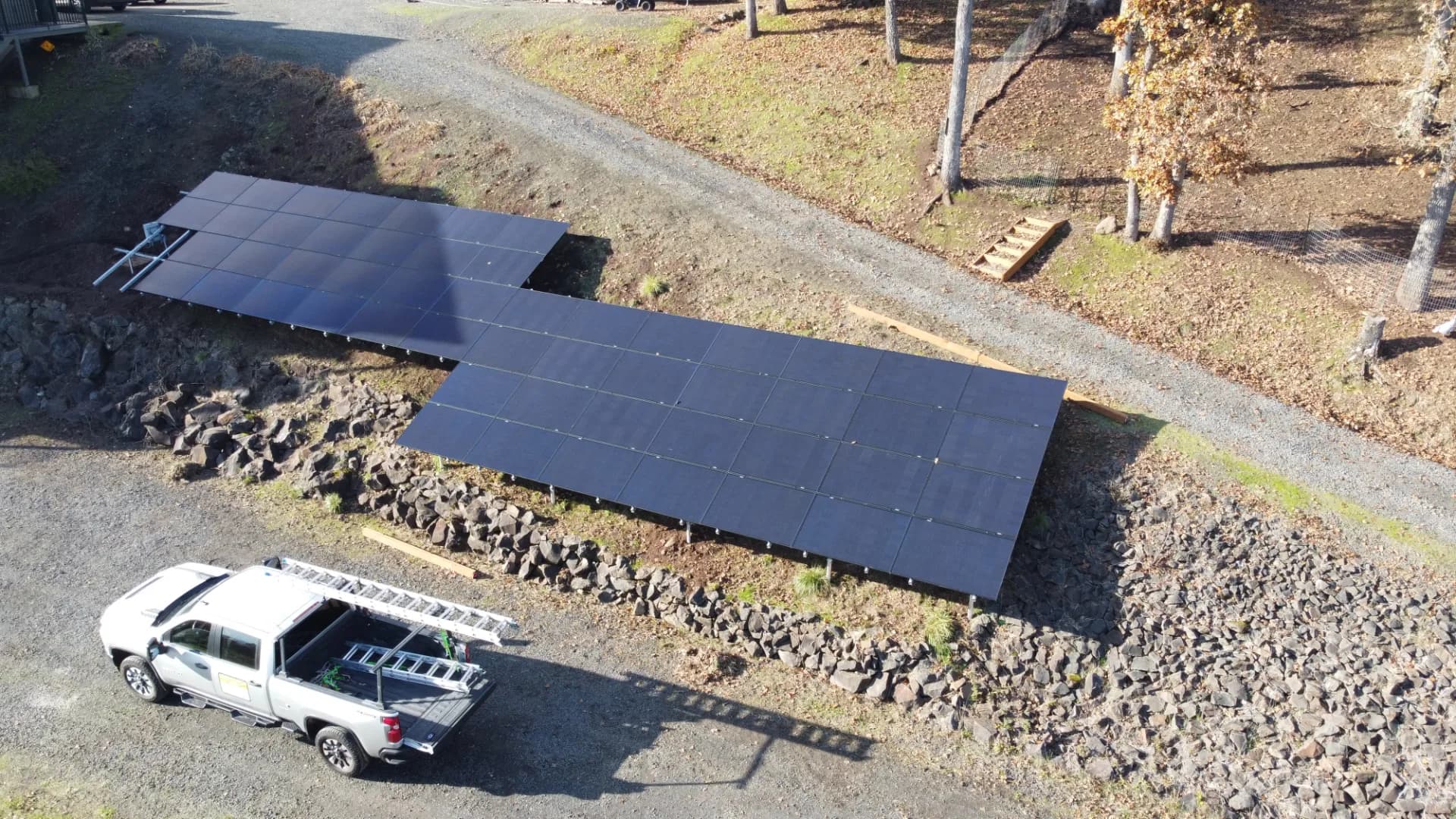
We provide full-service residential solar installations, warranty-backed equipment, and ongoing maintenance. If you need a ground-mounted system, we handle those too—see Ground Mount Solar. For commercial options, visit Commercial Solar.
Start with a free consultation so we can review your home, expected loads, roof condition, and the timelines that make sense for you. Book a free estimate or ask questions on our Contact page or visit our Blog for more articles on planning and incentives.
Decision points and common homeowner questions
Is your furnace or water heater near end of life? If yes, prioritize replacing it with an electric alternative.
Do you have a structurally sound roof with good solar exposure? If not, repair or replace the roof first.
Are you planning to buy an EV soon? Add electrical upgrades and conduit early to avoid higher costs later.
Next steps
Schedule an energy audit and sit down with a qualified installer to map equipment lifecycles, local incentives, and a five-year budget. National Solar can help with system sizing, warranty options like SolarMax Warranty, installation, and long-term service.
People also ask
What people ask us about When to Add Solar, Batteries, Heat Pumps and an EV
What is the best order to electrify my Oregon home?
Best order depends on your current equipment and budget: (1) reduce loads with insulation and efficient appliances, (2) replace water heaters and HVAC systems with heat-pump options as they reach end of life, (3) install solar sized to your new reduced load, (4) add a battery for backup or load shifting, and (5) add an EV and charger when you buy the vehicle. Adjust timing based on incentives and your priorities.
Should I install solar and batteries at the same time or stagger them?
Both approaches work. Installing solar first allows you to size panels based on actual reduced demand; adding batteries later can be more cost-effective once you know your production. If you need backup immediately, install a battery with or before solar. Discuss pros and cons with your contractor to match your goals.
How do I know if my roof needs work before solar?
Have a professional inspect shingle condition, flashing, and structural integrity. If the roof needs replacement within a few years, do that before installing panels. For guidance on roof readiness, see our <a href="/solar-and-your-roof">Solar & Your Roof</a> resource.
Will incentives change my timeline?
Yes. State and utility rebates and federal tax provisions can influence timing. Because programs change, confirm current rules and deadlines with program administrators and your tax advisor before relying on incentives in your budget.
How do I budget and finance electrification projects?
Budget based on equipment lifecycle and prioritize low-cost efficiency upgrades first. Many homeowners use a mix of savings, loans, and incentives. Review available payment plans and options on our <a href="/payment-options">Payment Options</a> page and talk with a consultant about phased financing.

Written by
Clint Libby
Bend, OR