How Solar, Home Batteries and EV Charging Cut Oregon Summer Electric Bills
A practical guide for Oregon homeowners on using solar panels, home batteries, and EV charging to reduce summer electricity bills through proper sizing, time-of-use strategies, and smart charging.
Why summer electricity bills rise in Oregon — and how solar with EV charging helps
Hotter months mean more air-conditioning, longer dryer cycles, and—if you own one—more frequent EV charging after road trips. That combination raises household demand during peak hours. For many Oregon homeowners, pairing rooftop solar with a dedicated EV charger and a home battery is an effective strategy to reduce those summer bills while improving resilience.
Solar generates most power during daytime hours when the sun is strongest. A well-designed system lets you use that solar energy to run your home and charge your EV, reducing the amount you buy from the utility during high-price periods.
Key elements of a summer savings system
1. Rooftop or ground-mounted solar panels
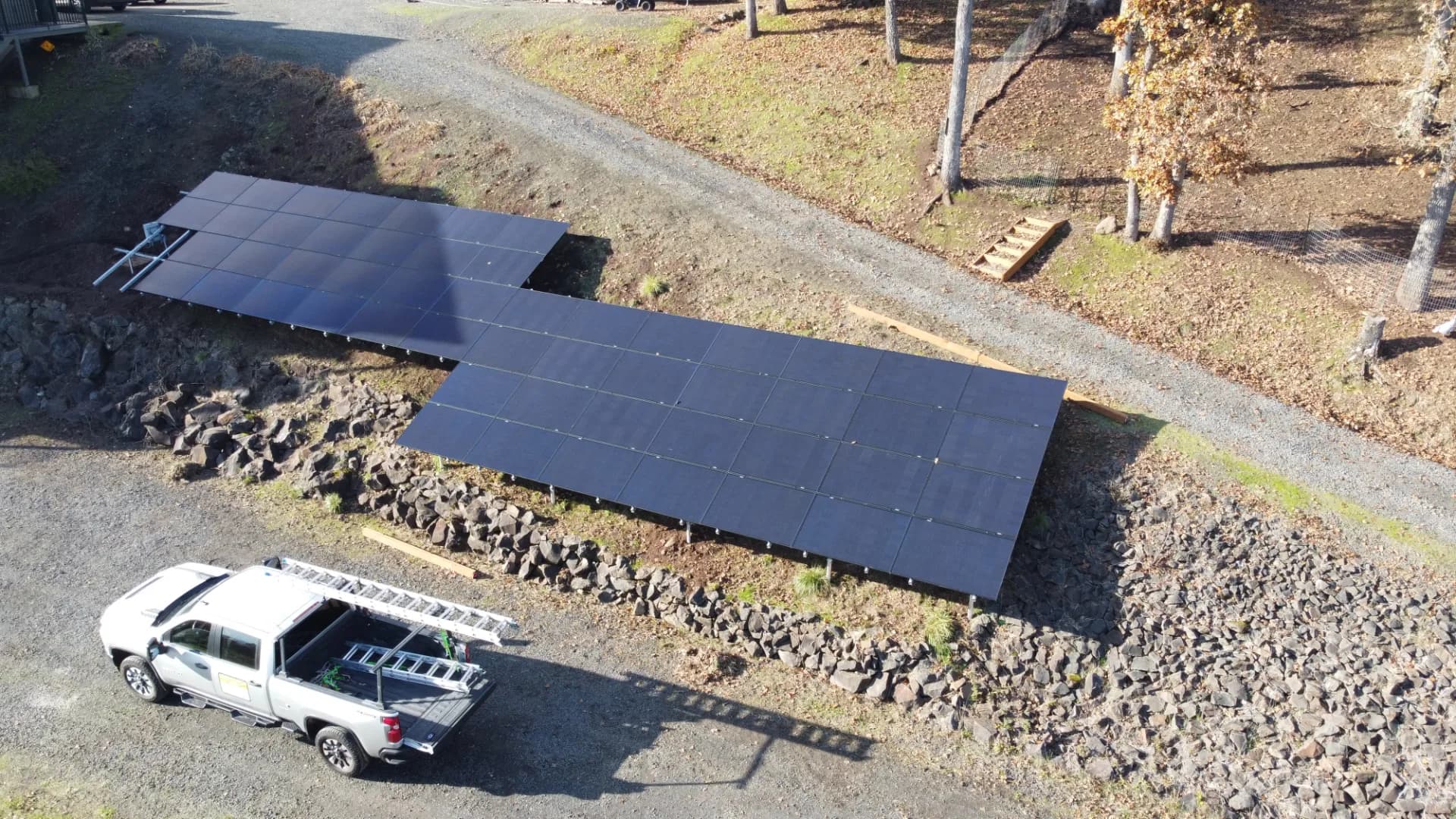
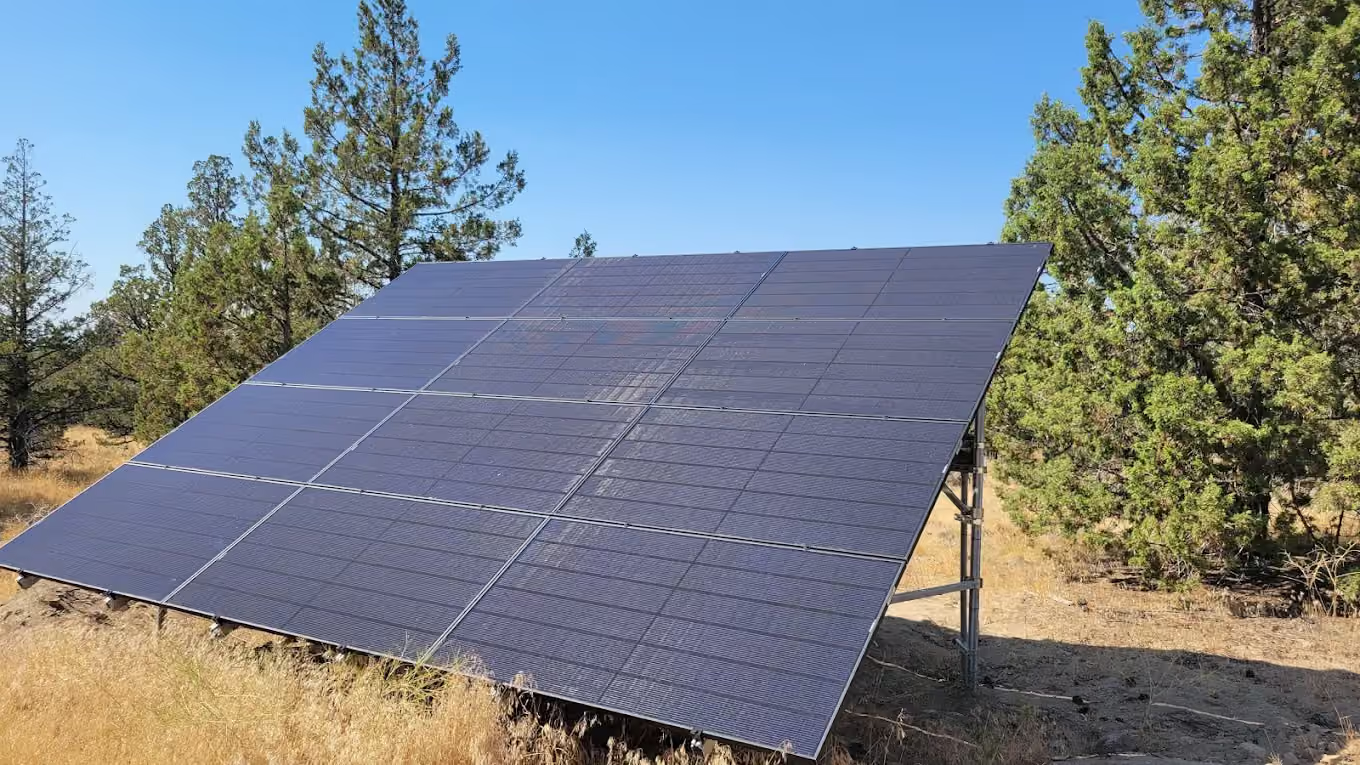
Your solar array is the foundation. For many homes the panels will be on the roof, but ground-mount systems are an option if roof orientation, shading, or structural issues make rooftop installation less effective. Talk with your installer about ground mount options if needed.
Before installation, check roof condition and layout. National Solar’s guide on Solar & Your Roof explains what to inspect and when a roof replacement should come first.
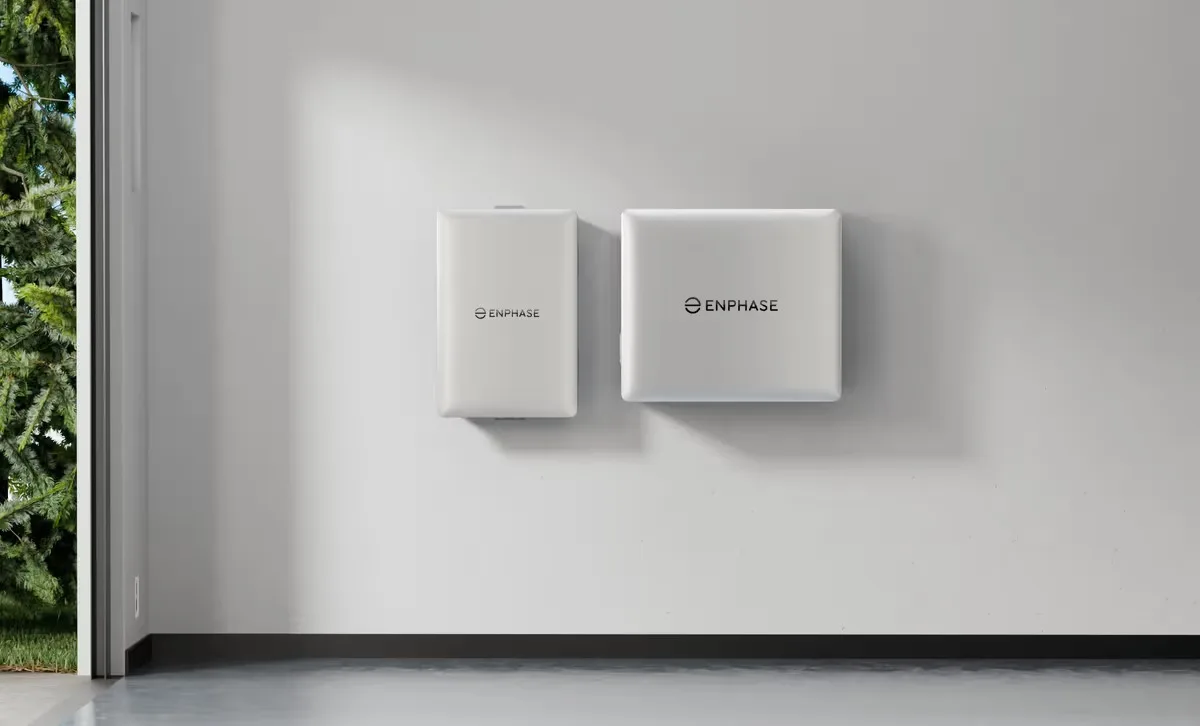
2. Home battery for EV charging and peak shaving
A home battery stores excess solar production for later use. In summer, a battery can:
- Shift daytime solar energy to evening peak periods when rates or demand charges are higher.
- Charge your EV overnight or during early morning low-cost periods using stored solar rather than grid power.
- Provide backup power for essential circuits during outages.
When considering a home battery for EV charging, prioritize usable capacity, round-trip efficiency, and how the system integrates with your EV charger and solar inverter.
3. Dedicated EV charging and smart charging controls
A hardwired Level 2 charger installed in your garage or carport charges faster and more efficiently than a standard wall outlet. Smart chargers can be scheduled to:
- Charge during low-cost off-peak hours or when solar production is high.
- Limit charging rates to avoid overloading your home panel during high demand.
- Integrate with battery systems and home energy management tools for coordinated charging.
National Solar’s EV Charging service covers charger selection and installation to match your vehicle and home electrical system.
Understanding time-of-use rates in Oregon
Some Oregon utilities offer time-of-use (TOU) rates that vary by hour or season. Under TOU, energy costs are higher during utility-defined peak windows and lower at off-peak times. Learning your utility’s TOU schedule can create meaningful savings.
Strategies to reduce bills under TOU rates Oregon customers face include:
- Using solar production to cover daytime loads (appliances, cooling, EV charging when possible).
- Storing excess solar in a battery to discharge during evening peak hours.
- Shifting discretionary loads—dishwasher, EV charging, pool pumps—to off-peak times.
Contact your utility or check their website to confirm current TOU structures and seasons. Rates and availability vary by provider and can change over time.
Design considerations: sizing solar, batteries, and the EV charger
System sizing should be driven by your goals: maximize bill savings, offset a percentage of usage, enable backup power, or prioritize EV charging. Common considerations:
- Daily driving and charging needs: estimate kWh per day for your EV based on miles driven and your vehicle’s efficiency.
- Daytime household load: how much of your home’s usage occurs while the sun is shining?
- Desired backup duration: do you want enough battery to run essential circuits for a few hours or several days?
- Future growth: consider additional loads like heat pumps or a second EV.
Accurate site assessment and production modeling are essential. National Solar’s Residential Solar team can help size systems for local weather, roof orientation, and your household needs.
Practical charging strategies to reduce summer bills
Charge from solar when possible
If your schedule allows, prioritize EV charging during the day while your panels are producing. That uses low-cost, zero-fuel solar energy and reduces grid purchases.
Use smart scheduling to shift charging
If daytime charging isn’t practical, set your charger to start during off-peak TOU hours or when battery state-of-charge and solar forecasts align to minimize grid draw.
Integrate battery and charger controls
Advanced systems coordinate the battery and EV charger so charging occurs when solar is available or when battery dispatch is most cost-effective. That coordination is particularly helpful under TOU or demand-charge structures.
Installation and permitting: what to expect in Oregon
Work with an experienced installer who handles utility interconnection, local permitting, and inspection coordination. National Solar supports customers through the process, including paperwork and on-site surveys.
If your system is roof-mounted, the installer will review your roof and refer to Solar & Your Roof guidance. If you prefer a ground-mount, see ground mount information.
Ongoing operations, warranties, and service
After installation, good monitoring and maintenance help protect performance. Check what warranties cover panels, inverters, batteries, and workmanship. National Solar offers information about long-term coverage on the SolarMax Warranty page.
For repairs, system checks, or firmware updates, use your installer’s service line. National Solar’s Service & Repair team handles post-install support and troubleshooting.
Financing, incentives, and next steps
Financing options and incentives can make a combined solar + battery + EV charger project more affordable. Review available payment plans and structure with your installer—see Payment Options for examples.
Incentive programs and tax credits change periodically. Never rely on specific dollar amounts without confirming current program details. Your National Solar representative can help identify programs that may apply to your project.
Who should consider adding EV charging to a solar system?
Adding EV charging is a good fit if you:
- Drive regularly and want to replace most grid fueling with on-site solar generation.
- Have access to off-peak hours for scheduling or want to reduce peak purchases with a battery.
- Are planning a new build—National Solar works with Home Builders to integrate EV charging and solar at construction.
If you’re exploring larger commercial installations with fleet charging, see National Solar’s Commercial Solar services.
How to get started — the practical next steps
- Gather recent utility bills and note your typical EV charging behavior.
- Schedule a site assessment to evaluate roof condition, shading, and electrical panel capacity.
- Request system sizing and a proposal that models savings under your utility’s TOU rates.
- Ask about warranties, service plans, payment options, and expected timeline.
To start, book a free consultation or estimate with National Solar through our Contact page. A free consult will clarify whether rooftop or ground-mount panels, a battery, and a dedicated EV charger are the right combination for your home.
People also ask
What people ask us about How Solar, Home Batteries and EV Charging Cut Oregon Summer Electric Bills
Will adding a battery and EV charger pay for itself in the summer?
Payback depends on your electricity usage patterns, driving habits, utility rates (including any time-of-use rates), and system costs. Batteries can reduce peak purchases and increase self-consumption, but exact economics vary. Request a site-specific estimate to model potential savings.
Do Oregon utilities offer time-of-use (TOU) rates?
Some Oregon utilities offer TOU or other rate structures that vary by hour or season. These rates can affect when it’s cheapest to use grid power. Contact your utility or review their tariffs to confirm current offerings and peak periods.
Can my existing electrical panel support a Level 2 EV charger and battery?
It depends on panel capacity, existing circuits, and future loads. An electrician or solar installer will evaluate panel capacity and may recommend upgrades to safely accommodate a Level 2 charger and battery system.
How do I size a battery for EV charging and backup?
Sizing starts with your daily EV energy needs (kWh), how much backup duration you want, and how much solar you expect to store. Your installer will model typical production, battery usable capacity, and discharge strategies to meet both charging and backup goals.
What incentives are available for combining solar, batteries, and EV chargers?
Federal, state, and local incentives may be available and can change over time. Incentives may apply to solar, batteries, or EV charging equipment in different ways. Confirm current eligibility and rules with your installer and relevant agencies before making decisions.

Written by
Clint Libby
Bend, OR