The Oregon Homeowner’s Checklist for a Fast, Right‑Sized Solar Estimate
Prepare for your Oregon solar estimate with this practical checklist. Learn what installers need, bills, roof photos, shading info, and system preferences—to deliver a fast, right‑sized quote.
Why a good checklist matters for a solar estimate in Oregon
An accurate solar estimate starts before the installer arrives. When you provide clear, organized information up front, installers can produce a right‑sized system recommendation faster and with fewer follow‑ups. That saves time and produces a proposal that reflects your needs, site constraints, and Oregon’s local conditions.
What installers usually ask for before going solar in Oregon
This checklist is built from what installers commonly need to model production, size equipment, and scope the work. Gather these items before your consultation or upload them to the company’s portal.
1. Recent electric bills (12 months preferred)
Provide PDFs or photos of your electric bills for the last 6–12 months. Installers use these to calculate your annual kWh use, seasonal patterns, time‑of‑use rates, and peak demand. If you have an online account with your utility, a billing export or meter read history helps too. Some installers only require an average, but this can sometimes lead to undersized or oversized systems.
2. Photos and measurements of your roof and site
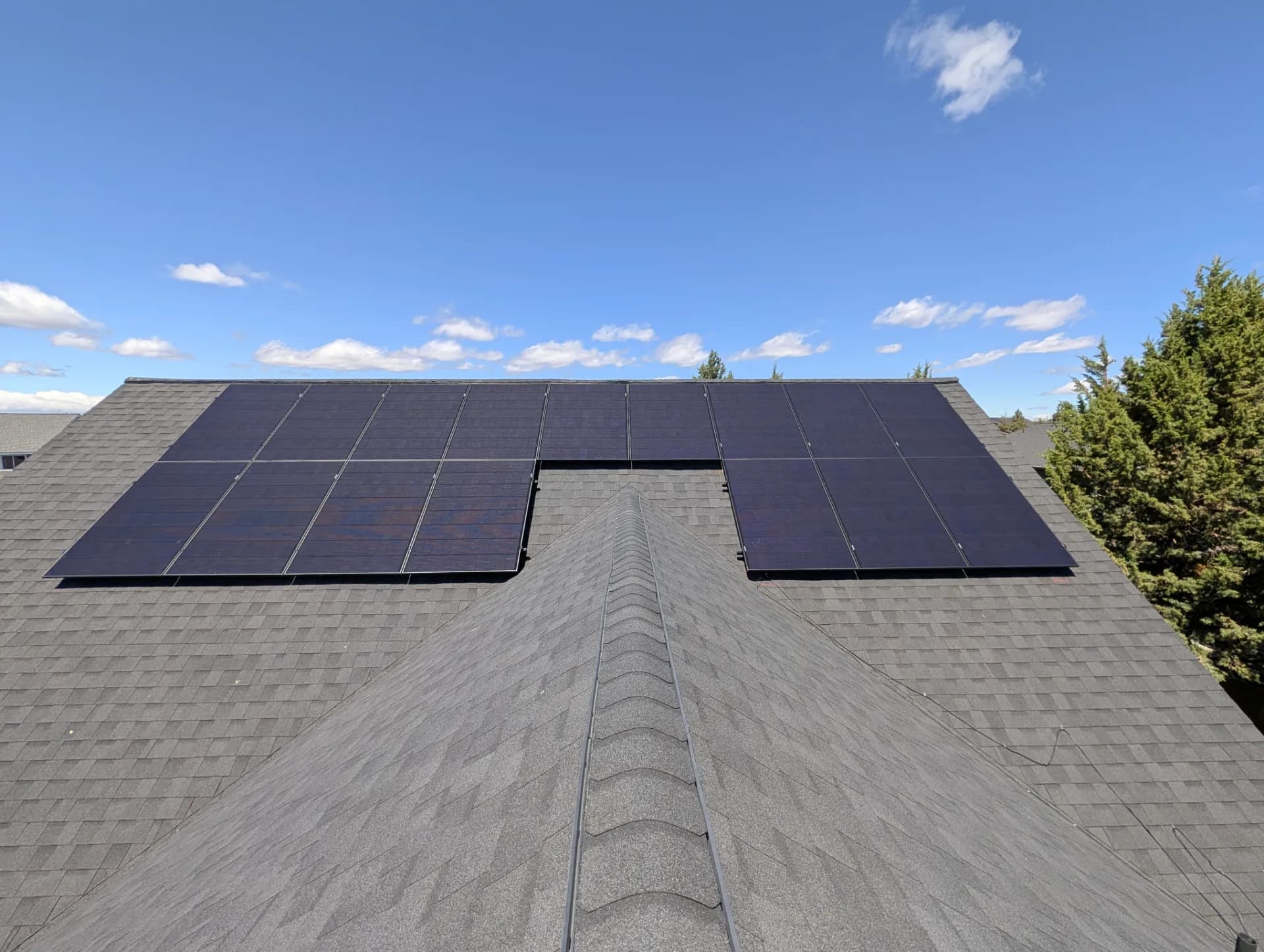
Take clear photos from the ground and from any accessible roof areas. Capture all roof planes, the ridgeline, and the main electrical meter and service panel. If you can, measure roof dimensions or provide a sketch with approximate lengths. Local installers can come out to your home to provide a site assessment and complete all of these items for you. For guidance on roof considerations, see Solar & Your Roof.
3. Shading and tree information
Note nearby trees, large chimneys, or structures that cast shade. Indicate which roof faces receive the most sun and the times of day shading is worst. If you already have a shading analysis or a LiDAR map, include it.
4. Photos of your electrical panel and meter
Take photos of the service panel, meter, meter base, and main breaker. This tells the installer capacity limits, the panel condition, and whether an electrical upgrade is likely.
5. Homeowner priorities and usage details
Do you want to offset your entire bill or just reduce it?
Are you planning to add an EV charger or switch to electric heat or a heat pump soon? If yes, note expected kWh per month. For EV charging options, see EV Charging.
Are you interested in battery backup or resilience? Note typical backup loads you’d like covered (fridge, lights, well pump).
6. Roof age, warranty, and replacement plans
Tell the installer the roof age and whether you plan to re‑roof. Installers prefer installing on a roof with several years of life remaining. If you have a roof warranty or are planning work, mention it. For details on warranties for our systems, review SolarMax Warranty.
7. Property access and permit/HOA notes
Share gate codes, dogs, or restricted access notes. Also mention whether your home is in an HOA or special permitting zone; some HOAs require design review or additional documentation.
8. Budget and financing preferences
Give a ballpark budget and whether you plan to buy outright, finance, or lease. Installers can show options that fit your budget. To explore payment paths, see Payment Options.
9. Photos of existing equipment
If you have an existing rooftop or ground‑mounted system, or an old inverter, provide photos and any documentation. If you need service on an existing system, reference our Service & Repair page.
10. Preferred timeline
Share your ideal installation window. Some seasons or permitting cycles can affect timing; being flexible helps reach realistic scheduling.
How installers use your information to size the right system (how installers size solar systems)
Installers combine your usage data with on‑site conditions to estimate the system size you need and the expected annual production.
Load analysis
Historical bills reveal your annual kWh and seasonal peaks. Installers convert that into an average daily load and consider future changes (EVs, heat pumps, electric ranges) you’ve noted.
Production modeling
Using roof orientation, tilt, shading, and local weather data, installers model expected solar production per kW installed. This step determines how many panels are needed to meet your goals.
Panel and inverter selection
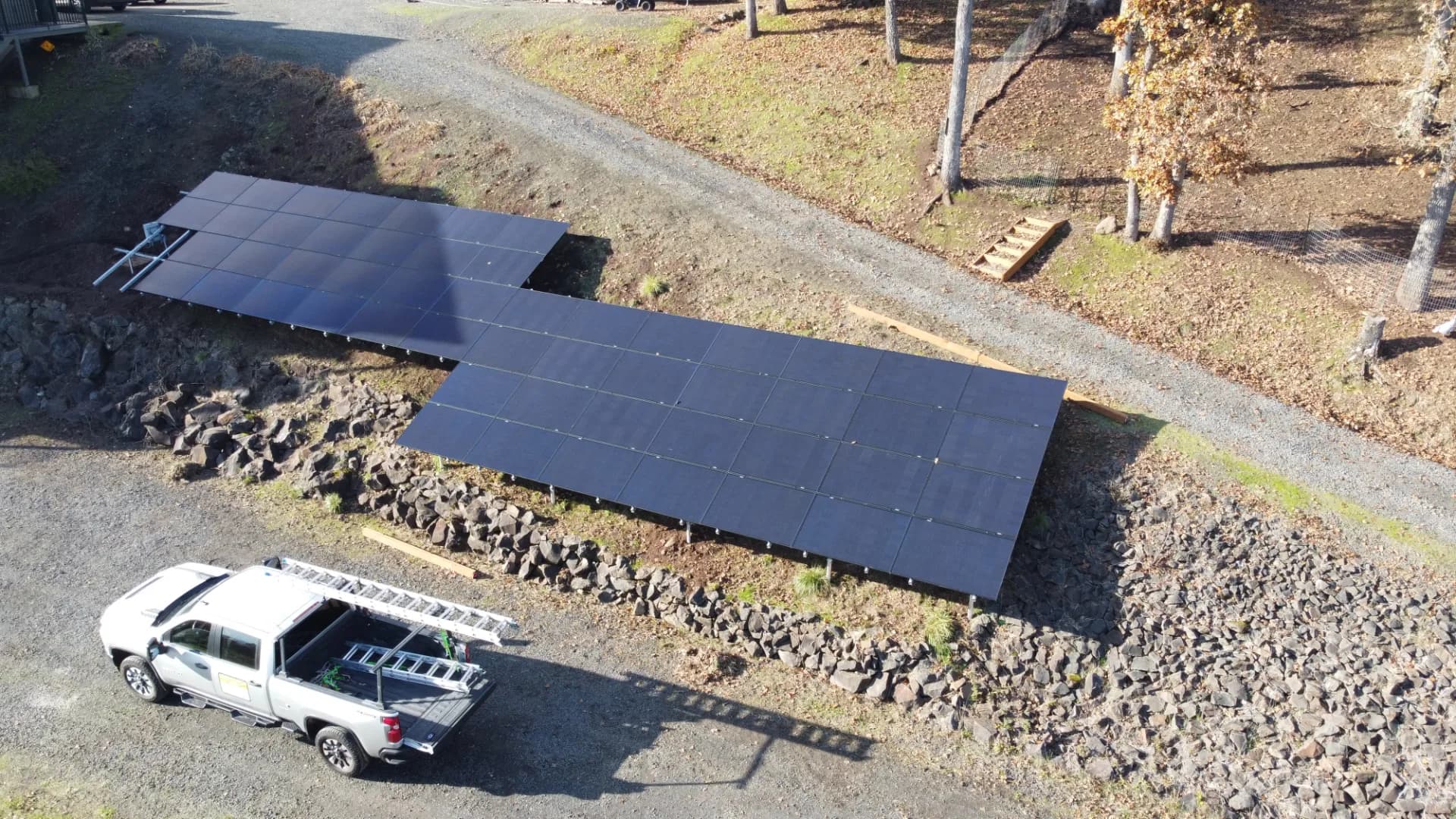
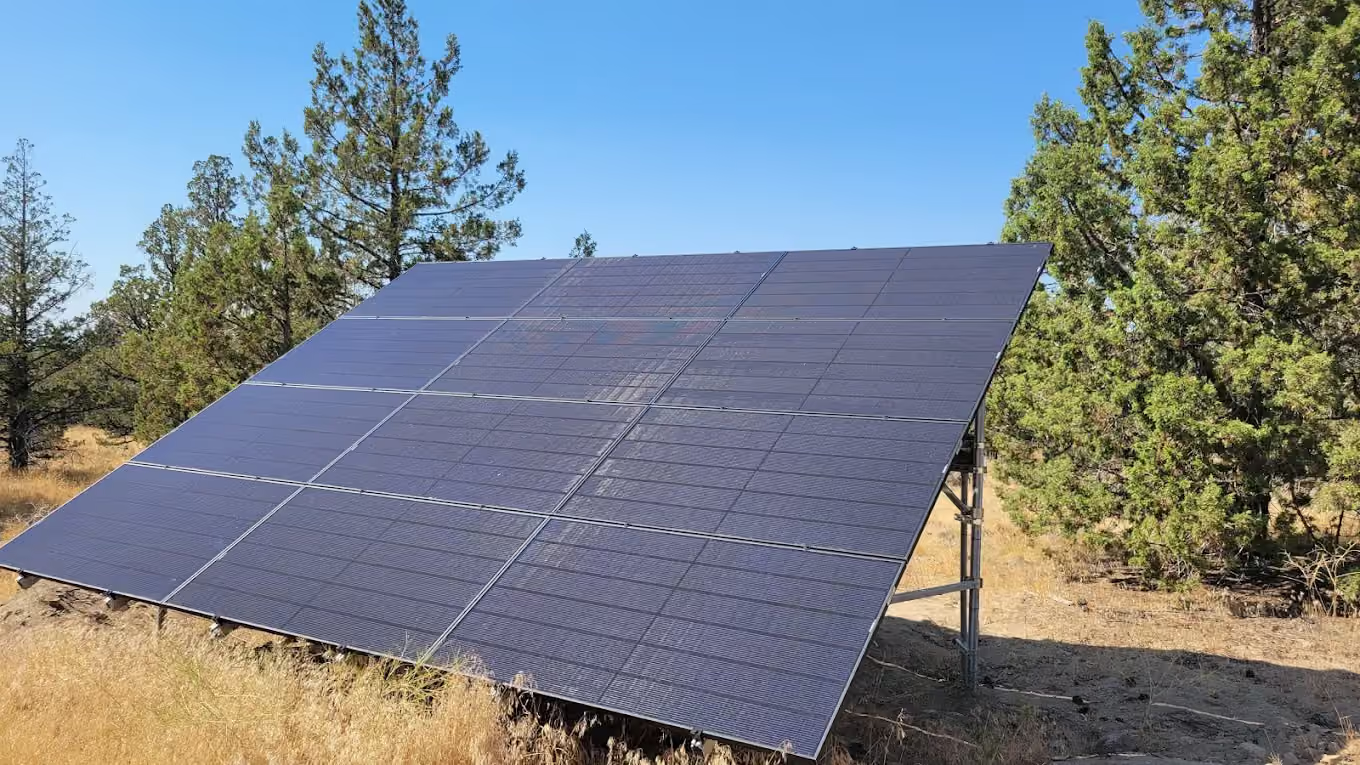
Choices about panel efficiency, inverter type (string, microinverter, or optimizer), and system layout affect array size and performance under shade. If you plan ground‑mounted arrays instead of rooftop, installers may reference options like Ground Mount Solar.
Accounting for losses
Models include real‑world losses: inverter efficiency, soiling, shading, and temperature. Installers use conservative assumptions so your system delivers close to predicted output.
Battery and backup sizing
If you want battery backup, installers ask which loads to support and for how long. Battery capacity is sized to cover those loads and to work with PV production and inverter capability.
How to prepare for an efficient site visit or remote estimate (how to prepare for solar estimate)
Follow these practical tips to keep the process smooth and speed up a high‑quality proposal.
Before the appointment
Collect 6–12 months of bills and save them as PDFs or clear photos.
Take labelled photos: roof (all sides), yard (from each corner), electrical panel, meter, and any shading obstacles.
Sketch your roof showing approximate dimensions and the locations of vents, chimneys, and skylights.
Make a short list of priority goals: bill reduction, backup power, EV charging, or a system sized for home sale value.
During the visit or call
Walk the installer through your typical day and any upcoming changes (new EV, home additions, or changes to major appliances like heat pumps).
Point out roof problem areas, attic access, or old decking that might affect install timing.
Ask the installer to explain the scope: equipment, permit responsibility, interconnection, and timeline.
What a thorough estimate should include
A high‑quality estimate will list:
System size in kW and number of panels
Estimated annual production and bill offset (with assumptions clearly stated)
Equipment make and model, warranty details, and service options (see SolarMax Warranty and Service & Repair)
Cost breakdown: equipment, labor, permits, and interconnection fees
Financing or payment options (link to Payment Options)
Timeline from contract to commissioning
Special considerations for Oregon homeowners
Oregon’s climate, tree cover, and local permitting can affect design choices. Installers familiar with Oregon can factor in seasonal production and shading from deciduous trees. If you’re building new, ask about working with builders: see Home Builders, and if you run a business, explore our Commercial Solar services.
Next steps: getting your free, accurate estimate from National Solar
To get a right‑sized, realistic solar estimate, gather the items on this checklist and book a free consultation. Our team reviews your bills and photos in advance so we can deliver a focused proposal. Start from our Home page or go directly to Contact to schedule your free estimate. You can also learn more on our Blog about the process and what to expect.
Ready for a free estimate?
When you’re ready, book a free consultation. We’ll review your documents in advance, explain equipment and warranty options, and provide a clear estimate so you can decide with confidence.
People also ask
What people ask us about The Oregon Homeowner’s Checklist for a Fast, Right‑Sized Solar Estimate
How many months of electric bills should I provide for a solar estimate?
Provide 6–12 months of bills if possible. Installers use seasonal patterns and annual kWh totals to size the system accurately. If you only have recent bills, installers can still provide a preliminary estimate but may ask for more data later.
Can I get an accurate quote without a site visit?
You can get a good preliminary estimate from bills and photos, but most accurate proposals include either a site visit or a detailed remote assessment with high‑resolution roof imagery and shading analysis. A site visit lets the installer confirm equipment placement and electrical details.
Do I need to replace my roof before installing solar?
Not always. Installers assess roof age, condition, and remaining life. If your roof will need replacement soon, it’s often best to do that first. Discuss roof timing with your installer; for roof-specific guidance, see <a href="/solar-and-your-roof">Solar & Your Roof</a>.
How do installers decide the system size I need?
Installers perform a load analysis using your bills, model expected solar production from your roof orientation and shading, and factor in equipment efficiency and losses. They balance your energy goals, budget, and site constraints to recommend an appropriate kW size.
What about incentives and tax credits?
Incentives and tax credits can change. Installers can summarize current programs available at the time of your estimate, but you should confirm eligibility and amounts with the program administrators or a tax professional.
Written by
National Solar Team
Bend, OR