How Data Centers Are Affecting Oregon Electricity Rates
Growing demand from data centers and other large users can put pressure on Oregon electricity rates. Here’s what homeowners should know — and how solar plus batteries can help.


Why data centers matter for Oregon electricity rates
Data centers are large, continuous electricity users. When new facilities arrive or existing operations expand, they raise local electricity demand. Utilities plan for growth, but adding several big customers in a region can still create pressure: it may accelerate the need for upgrades, change load patterns, and affect how utilities manage costs.
For Oregon homeowners, those changes can show up indirectly. Utilities—including Pacific Power and Portland General Electric (PGE)—balance generation, transmission, and distribution costs across customer classes. That means rising infrastructure or capacity needs driven by large commercial loads can influence rates and rate design over time.
What recent reporting is saying (where to read more)
If you want up-to-date coverage, look for local and national reporting on energy and development trends. Good starting points include utility sites and regional outlets, plus nonprofit energy organizations. Useful links:
- Pacific Power — utility notices, rate cases, and planning documents.
- Portland General Electric (PGE) — local rate information and grid updates.
- Energy Trust of Oregon — incentives, programs, and energy-efficiency resources for homeowners.
- Recent news about data centers and energy in Oregon (Google News search) — quick way to find current articles.
Why homeowners should consider solar now
Whether or not data centers are a direct cause of a specific rate change, the broader point is that electricity costs and grid pressures are dynamic. For many Oregon homeowners, rooftop solar plus a battery offers two practical benefits:
- Lower long-term energy costs: Solar reduces the electricity you buy from the grid. Over years, that can make your monthly bills more predictable.
- Resilience during outages: A battery backup can keep critical circuits running if the grid goes down during storms or utility-driven shutoffs.
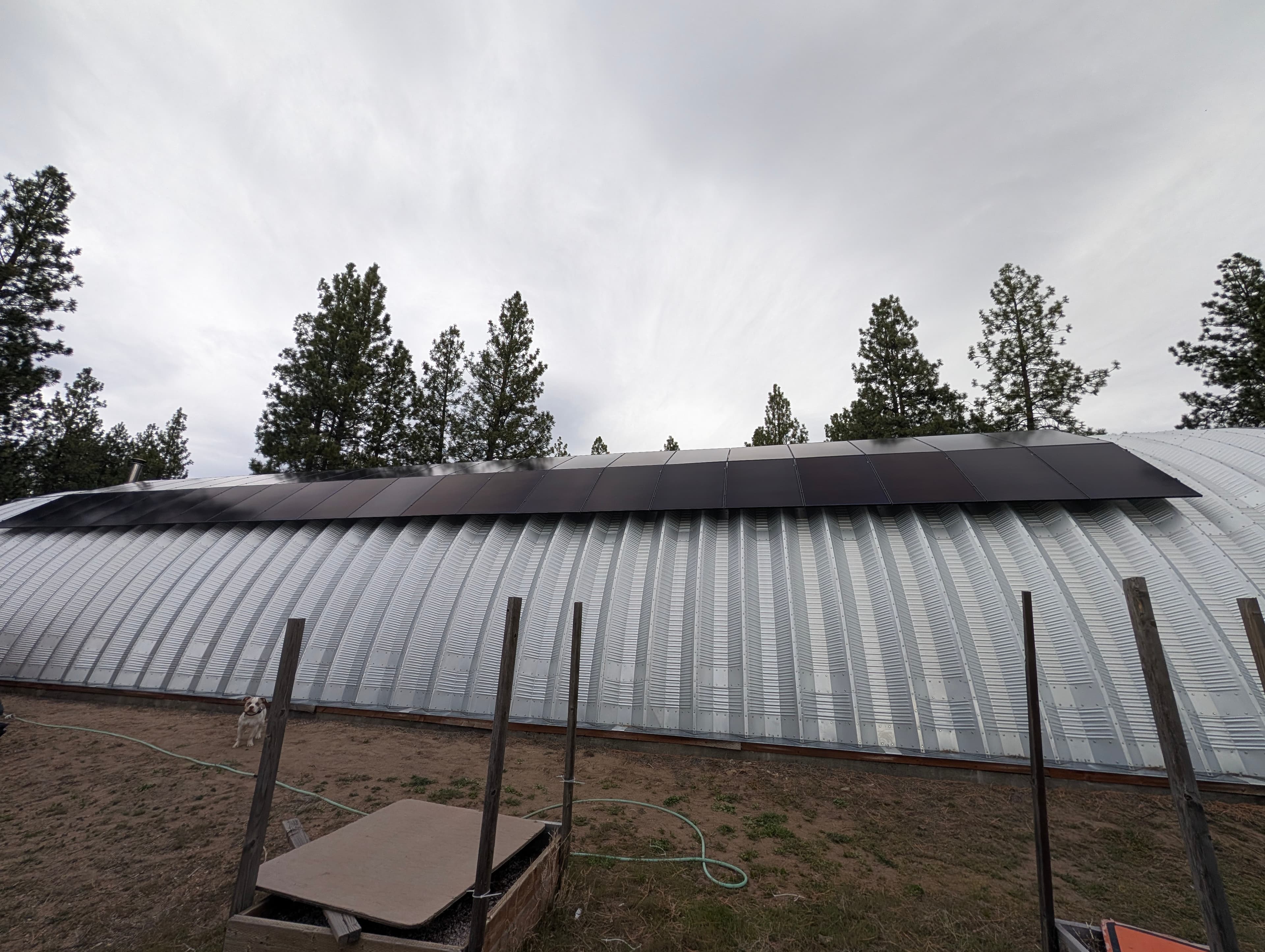
In Central Oregon’s high-sun months, solar systems can produce substantial energy for homes. Even in cloudy seasons, panels contribute meaningful generation that offsets use. Pairing panels with a properly sized battery maximizes resilience when you need it most.
What to check before you decide
Start with a few local checks to understand costs and benefits for your home:
- Review current rate schedules and any proposed rate cases from your utility (Pacific Power or PGE).
- Explore incentive and rebate options through Energy Trust of Oregon and any county or city programs.
- Assess your roof orientation, shading, and electrical panel capacity—these affect system size and cost.
- Consider battery capacity based on which circuits you want to run during an outage (lights, refrigerator, medical equipment, EV charger, etc.).
How a local installer helps
Choosing a licensed, insured local installer matters. We’ve been installing custom systems in Oregon since 2009, so we focus on:
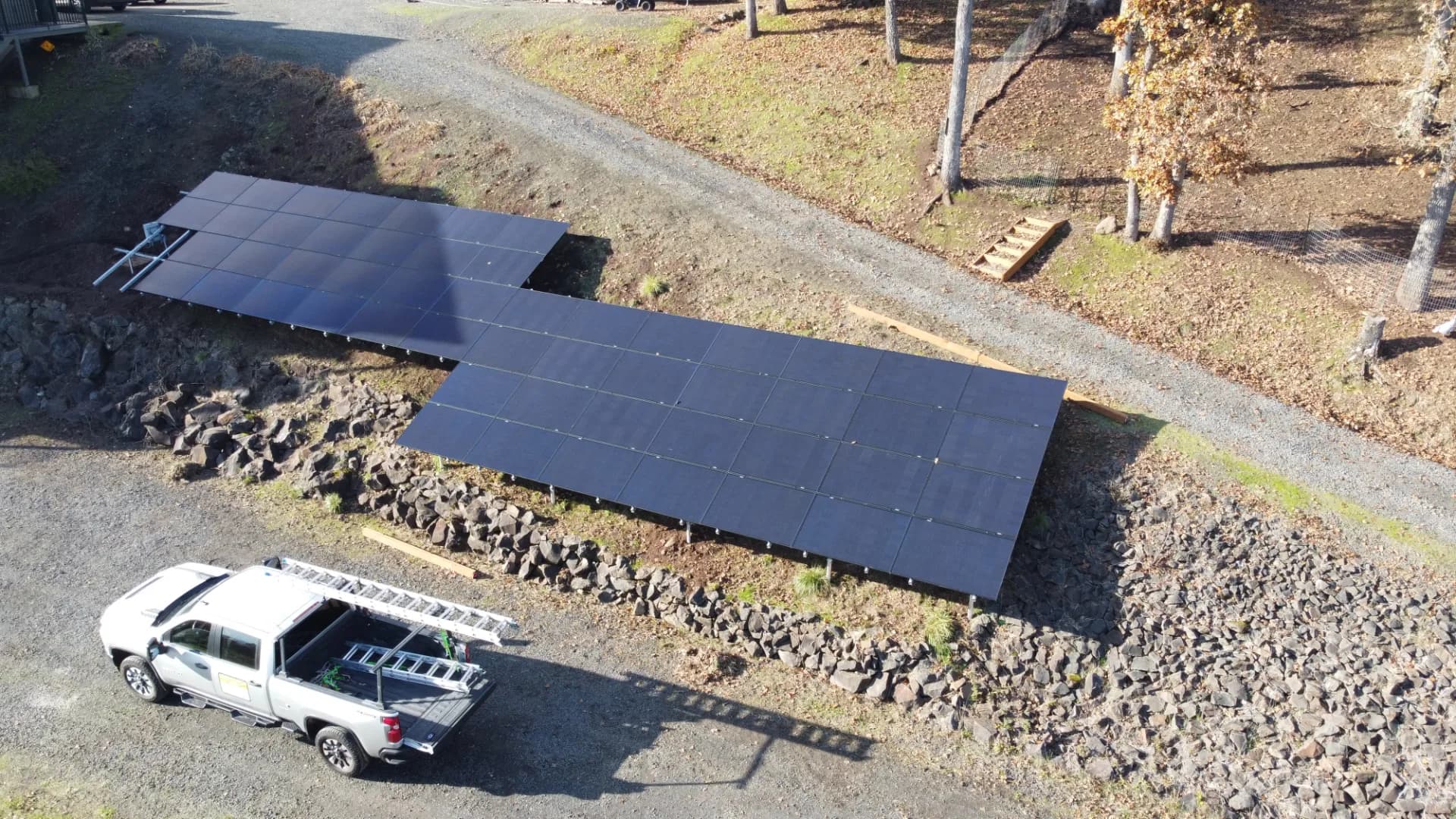
- Accurate, site-specific system design that accounts for shading, roof pitch, and local weather.
- Coordination with your utility for interconnection paperwork, net metering or export rates, and inspections.
- Clear guidance on available incentives and realistic timelines for permits and installs.
Working with a local company also makes warranty follow-up and service calls easier—important when you need reliability and fast responses after storms or outages.
Financial and non-financial benefits
Solar is both a financial and resilience decision. Financially, savings come from reduced energy purchases and potential incentives—but these vary over time. Non-financial benefits include energy independence, peace of mind during outages, and contributing to cleaner local energy mix.
We recommend requesting a custom site assessment to estimate system output, potential savings, and payback windows. Always confirm current incentive details and eligibility before making assumptions.
Next steps for Oregon homeowners
If you’re concerned about rising electricity costs or want backup power for reliability, here’s a practical path forward:
- Gather your recent electric bills for the last 12 months.
- Check your utility (Pacific Power or PGE) for rate information and any pending filings.
- Contact a licensed local installer for an on-site assessment and a written proposal.
- Ask about financing, available incentives, and expected timelines for permitting and interconnection.
If you want, start with our Oregon electricity rates page to learn more about how rates work and how solar can help: Oregon Electricity Rates — National Solar.
Final thought
Data centers and other large users can change local demand patterns, and that, in turn, can affect rate pressures. For homeowners in Oregon, the practical response is to evaluate solar plus battery options now—before utilities make costly upgrades or rate structures shift. A well-designed system improves both household economics and resilience.
People also ask
What people ask us about How Data Centers Are Affecting Oregon Electricity Rates
Will data centers directly raise my electric bill?
Large commercial users can affect regional demand and the timing of utility investments, which may influence rates over time. That doesn’t automatically mean your bill will spike immediately. Check your utility’s rate filings and speak with a local installer to model how solar could offset future increases.
Can solar protect my home during outages caused by grid stress?
Yes—when paired with a battery backup, a solar system can power critical circuits during outages. System design matters: battery capacity and how you wire critical loads determine how long and how much power you’ll have during an outage.
Are there incentives in Oregon to help pay for solar?
Oregon offers several incentive pathways through programs such as the Energy Trust of Oregon, federal tax incentives, and utility programs. Incentive availability and eligibility change, so confirm current details with program administrators and your installer.
How long does installation take in Oregon?
Timelines vary by project size, permitting requirements, and utility interconnection processes. After a site assessment, your installer should give you an estimated schedule that includes permits, equipment lead times, and utility approval.
How do I choose the right local installer?
Look for a licensed, insured company with local experience, transparent proposals, clear warranty terms, and references. Ask how they handle permits, interconnection paperwork, and post-installation service.

Written by
Clint Libby
Bend, OR