Battery Storage Systems Bend: How They Work at Home
Learn how battery storage systems Bend safeguard your power, cut bills, and support solar. Get clear tips on tech types, efficiency, sizing, and installation.
More homeowners in Bend are choosing battery storage systems to manage their energy costs and be ready for emergencies. These systems save extra electricity for when you need it, such as during outages. With more people using solar and changing utility rates with Pacific Power, Central Oregon Electric and others, battery storage has become a practical way to manage your home's energy.
What Is Battery Storage?
Battery storage systems collect electricity and keep it in rechargeable batteries for later. Batteries store electrical energy as chemical energy, and release it as electricity when needed.
Home battery systems for houses usually hold between 10 and 15 kilowatt-hours (kWh). This is enough for peak times or during power outages. The technology has improved a lot in the last ten years. Today’s batteries last longer, are more efficient, and are safer than before. You can combine multiple batteries to create additional storage (kWh).
You can make and store your own power with a battery system. It can work with solar panels or charge from the grid when electricity is cheap. The system controls when to store and when to use the energy by itself, so you get a steady power supply day and night.
Why Battery Storage Systems Are Important for Modern Homes in Bend
Bend’s weather and location make battery storage helpful. The local utility, Pacific Power, often uses time-of-use pricing, meaning electricity can cost more during busy hours. Battery storage lets you charge the battery when rates are low and use the stored power when rates are high.
Power reliability is also important. Bend’s electric grid is usually steady, but storms and wildfires can cause outages. Having at least one battery can protect your crucial appliances, health items, and other necessary items throughout your home. You can also use more than one battery if you need more power.
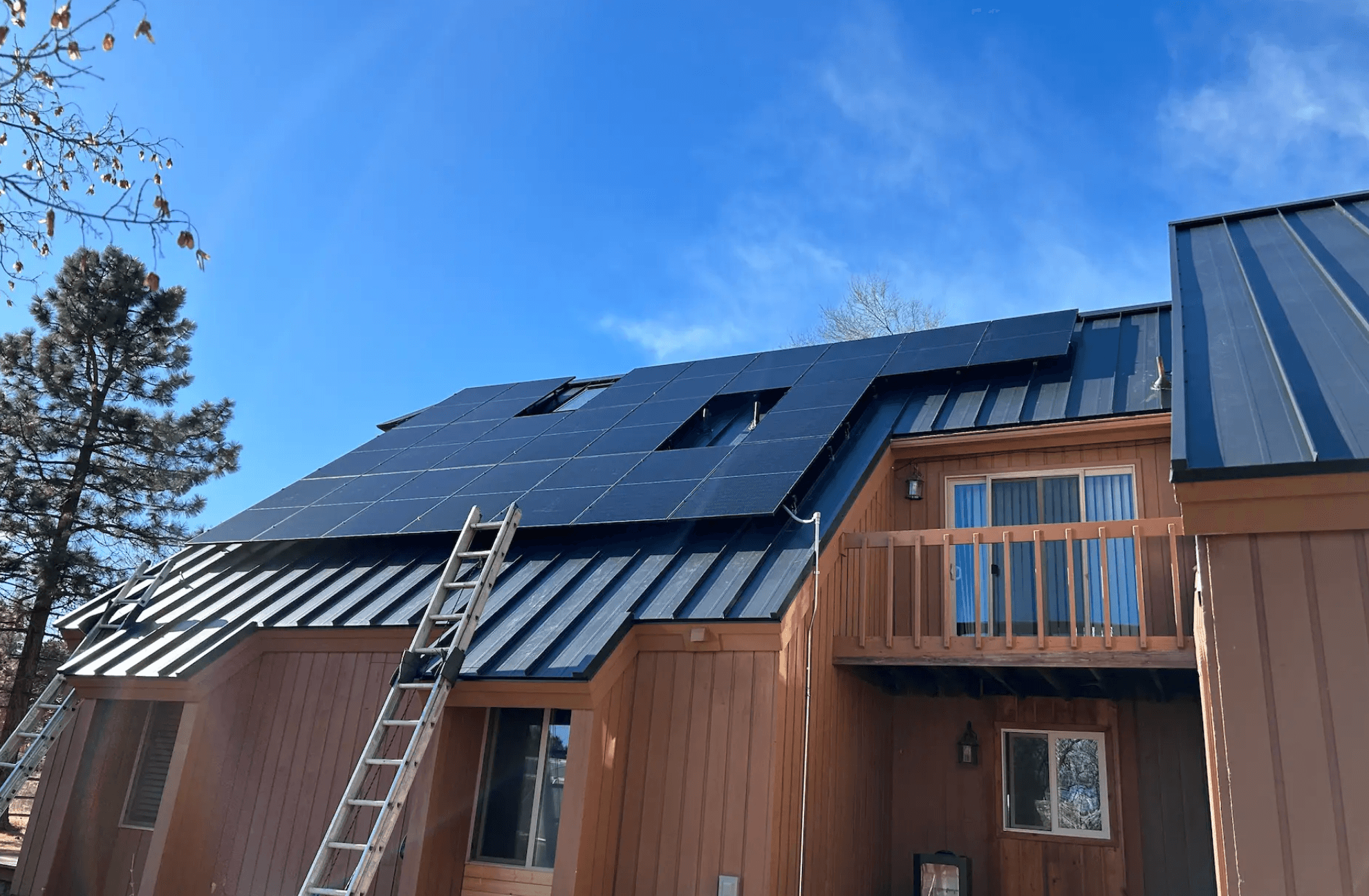
If you have solar panels, a battery storage system can catch the extra power they make during the day and save it for when it’s dark. This way, you get the most out of your solar panels and don’t have to buy as much electricity from the grid. You can use your daytime solar power at night or when the power goes out. This means you have more control over your energy costs.
How Battery Storage Works
Charging means changing electricity into stored chemical energy in the battery. When your solar panels make more power than you use, or when grid power is cheaper, the battery stores the extra. Inside, ions move between parts of the battery, keeping energy for later.
When you need power, the battery changes the stored energy back to electricity for your home. The Battery Management System (BMS) keeps the system working safely by controlling voltage, watching the temperature, and stopping overcharging or deep discharging.
These systems are made to work with rooftop solar. An energy storage system saves extra solar energy for use when the sun isn’t shining and provides a steady power supply. If the power goes out, the system can give power to your main circuits in less than a second. You might not even notice the outage.
Efficiency Ratings
Round-trip efficiency measures how much energy you get back from a battery compared to what you put in. Some energy is lost in charging and using the battery.
Battery performance depends on several things. Temperature is important—batteries work best in mild weather. Very hot or cold temperatures lower performance and life span. How you use the battery matters too. Using all the battery’s energy often or charging it very quickly can shorten its life. New lithium iron phosphate (LFP) batteries work better than older types.
Choosing the Right Battery Technology
Lithium iron phosphate (LFP) batteries are the superior choice for home energy storage. While general lithium-ion batteries store more energy by weight (150-250 Wh/kg), LFP chemistry is specifically designed for safety and longevity. They last much longer than lead-acid batteries, offering thousands of charge cycles compared to just 300-1,000 for older technology.
LFP batteries are highly efficient and can be discharged deeply without damage. Lead-acid batteries should only be used to about half their capacity before recharging. LFP units also charge faster, which is excellent for capturing excess solar power or charging from the grid during cheaper hours.
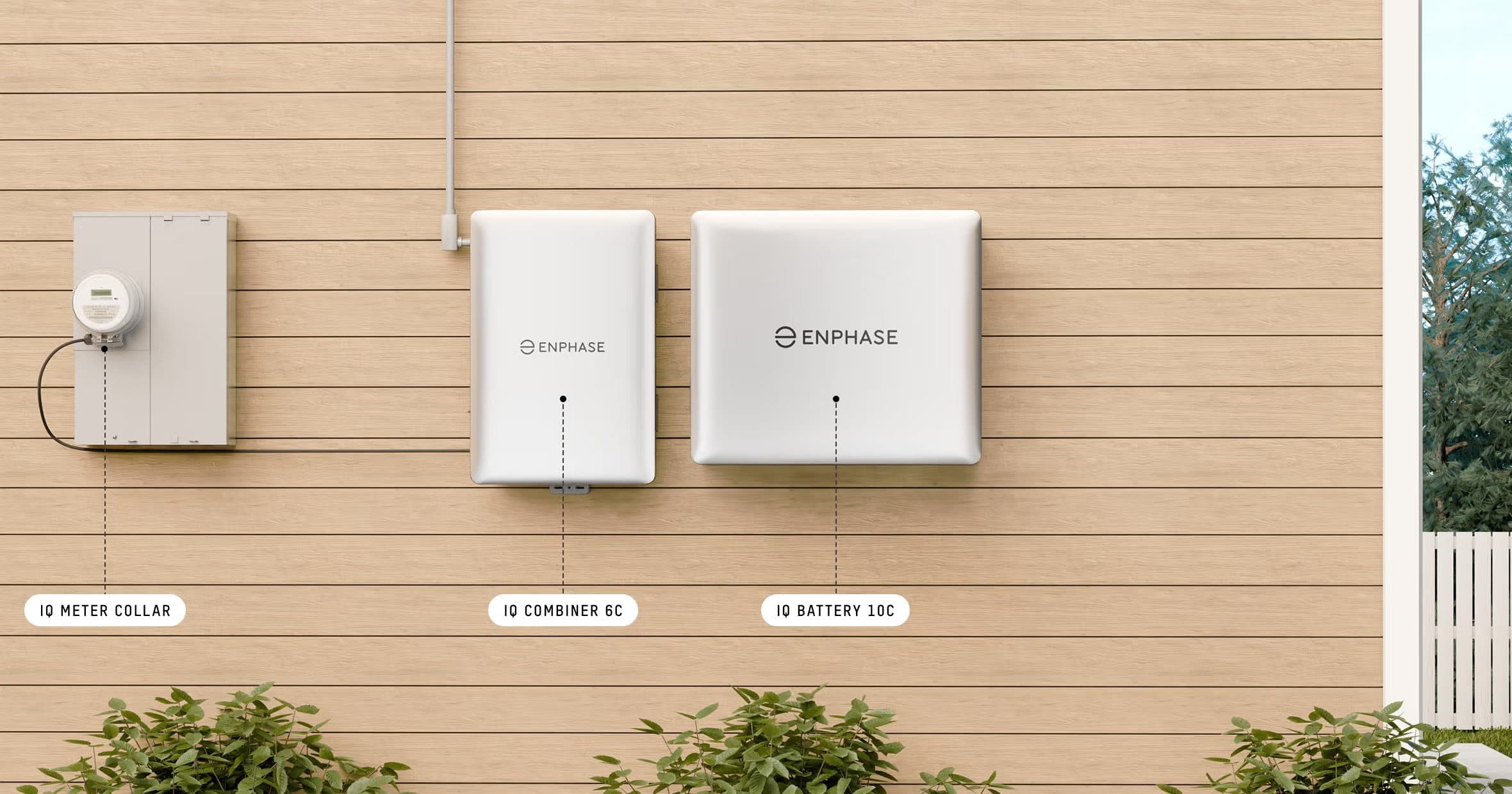
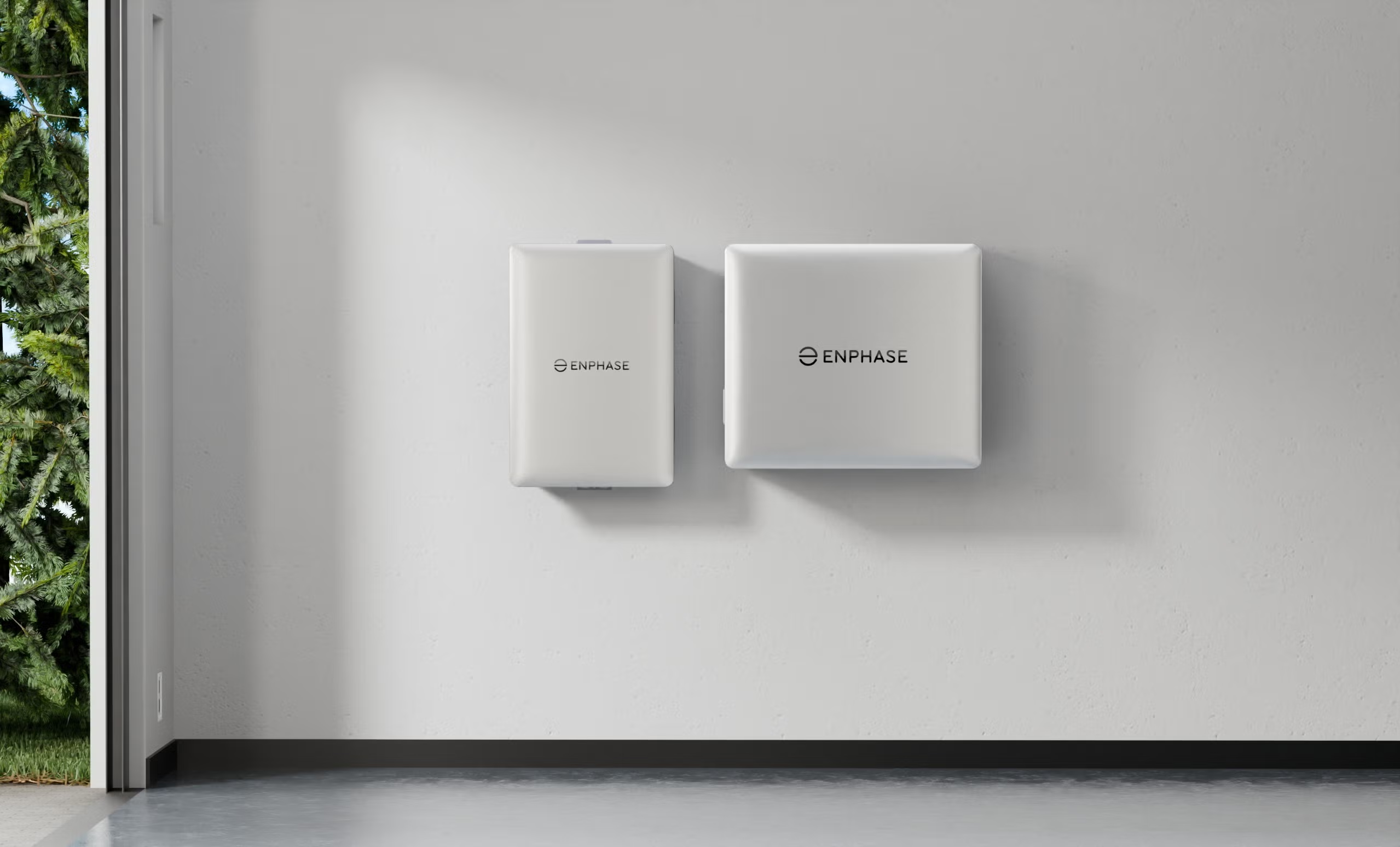
Enphase products stand out as the better option because they use this stable LFP technology. The Enphase IQ Battery 10C uses LFP battery chemistry and has UL 9540A safety certification. This chemistry avoids the overheating risks associated with other types of lithium batteries, making Enphase significantly safer for your home.
Although lead-acid batteries are cheaper upfront, they require maintenance and frequent replacement. Most homeowners find that the long lifespan, safety, and reliability of Enphase LFP batteries provide much better value over time.
Getting the Most Backup Power and Independence
Battery storage gives you control over your power. By using solar panels, you can depend less on the grid and become more energy independent.
During a power outage, your battery system switches on and keeps critical systems running. You can choose which items get backup power—fridges, important medical equipment, heat, and the internet are good picks. With the right size, a battery can keep these running for hours or even days.
Pairing solar panels and battery storage works well. Your panels make energy during the day, your home uses what it needs, and the rest goes into the battery. At night, your home uses the battery instead of the grid. This cuts your utility bills and helps during outages.
Bend has lots of sunshine—over 300 days a year—making solar and battery a strong choice. The Oregon Solar + Storage Rebate helps pay for battery systems, making them more affordable.
How to Get Started with Battery Storage in Bend
Start by reviewing your energy use over the past year. Look at your utility bills to see how much power you use each day. This helps you pick the right battery size.
Next, list your most important needs. What has to stay on during an outage? A fridge, main heater, and a few lights may need 3-5 kWh of battery. Add more for heating, a well pump, or other big appliances.
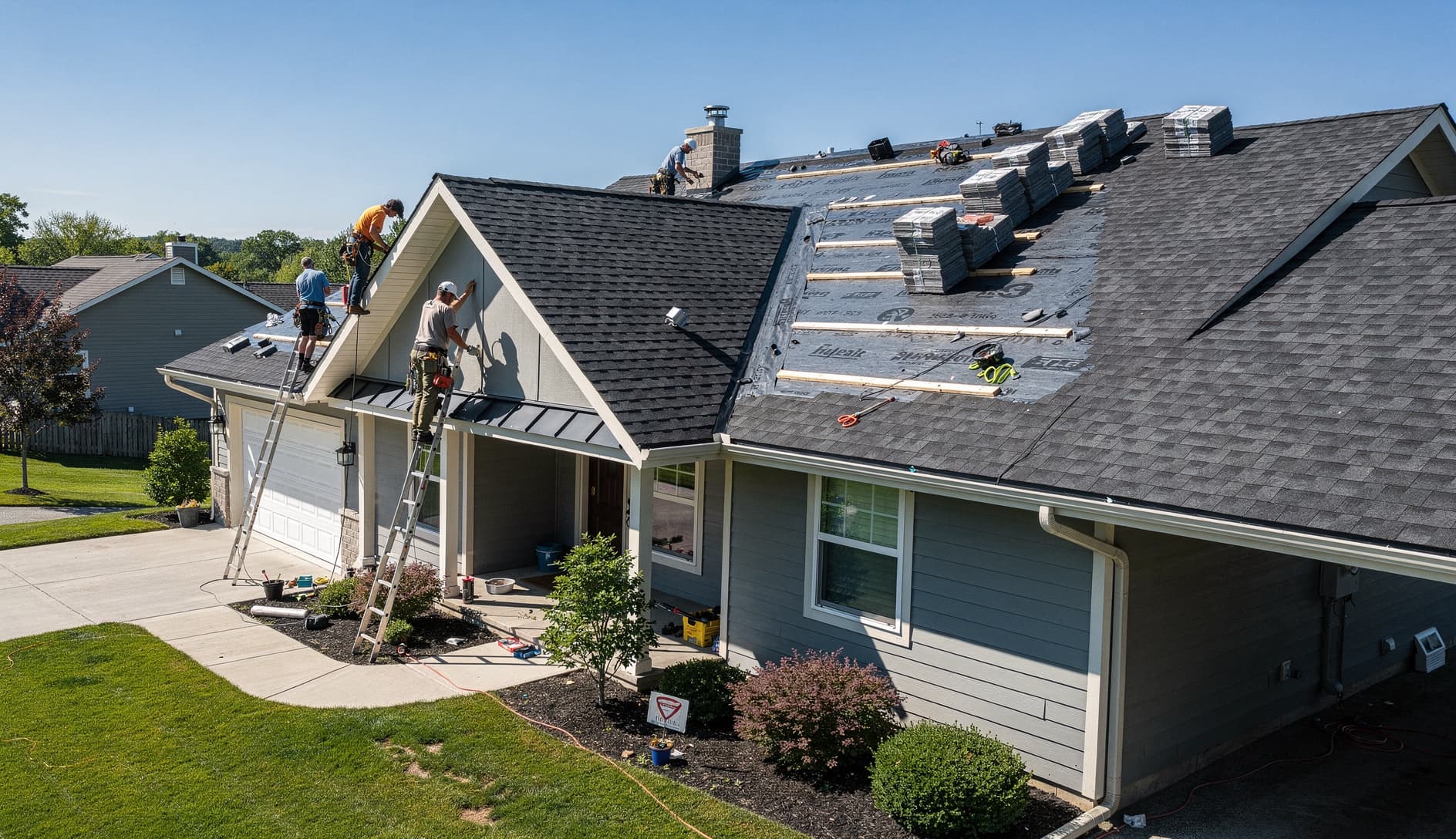
Installing a battery system means getting permits and following safety rules. In almost all cases, a professional is required to install home batteries. This ensures safety and protects the system’s warranty. Safe installation means proper grounding, use of circuit breakers, placement of disconnect switches, and proper placement of the battery.
There are numerous incentives for solar and battery in Oregon.
Pacific Power is also introducing the upcoming Wattsmart Battery Program to provide additional options for battery storage.
Your battery size will depend on your main goals. For backup only, add up the wattage of important systems and how long you want them running. To save on bills and work with solar, pick a battery large enough to store your extra solar power for use at night or during high-cost hours.
Take Control of Your Energy Future
Battery storage is now a reliable and cost-effective solution for Bend homeowners. Better efficiency, longer lifespans, and incentives make this a good time to add storage to your home.
At National Solar, we have helped over 3,000 Oregon families with solar and storage. Our team can handle system design, permits, installation, and support. We install both Generac and Enphase systems, and we tailor each project to your needs.
If you want to learn about battery storage systems in Bend, contact our Bend team for a free home solar estimate. We will look at your energy use and explain your options. We design a system for reliable backup power and long-term savings. There is no pressure—just honest answers and a solution that fits your home.
Written by
National Solar Team
Bend, OR