Electric Vehicle Charging with Solar: Cut Emissions and Costs
Electric vehicle charging solar pairs clean power with EVs to shrink your carbon footprint, slash utility bills, gain backup power, and tap Oregon incentives.
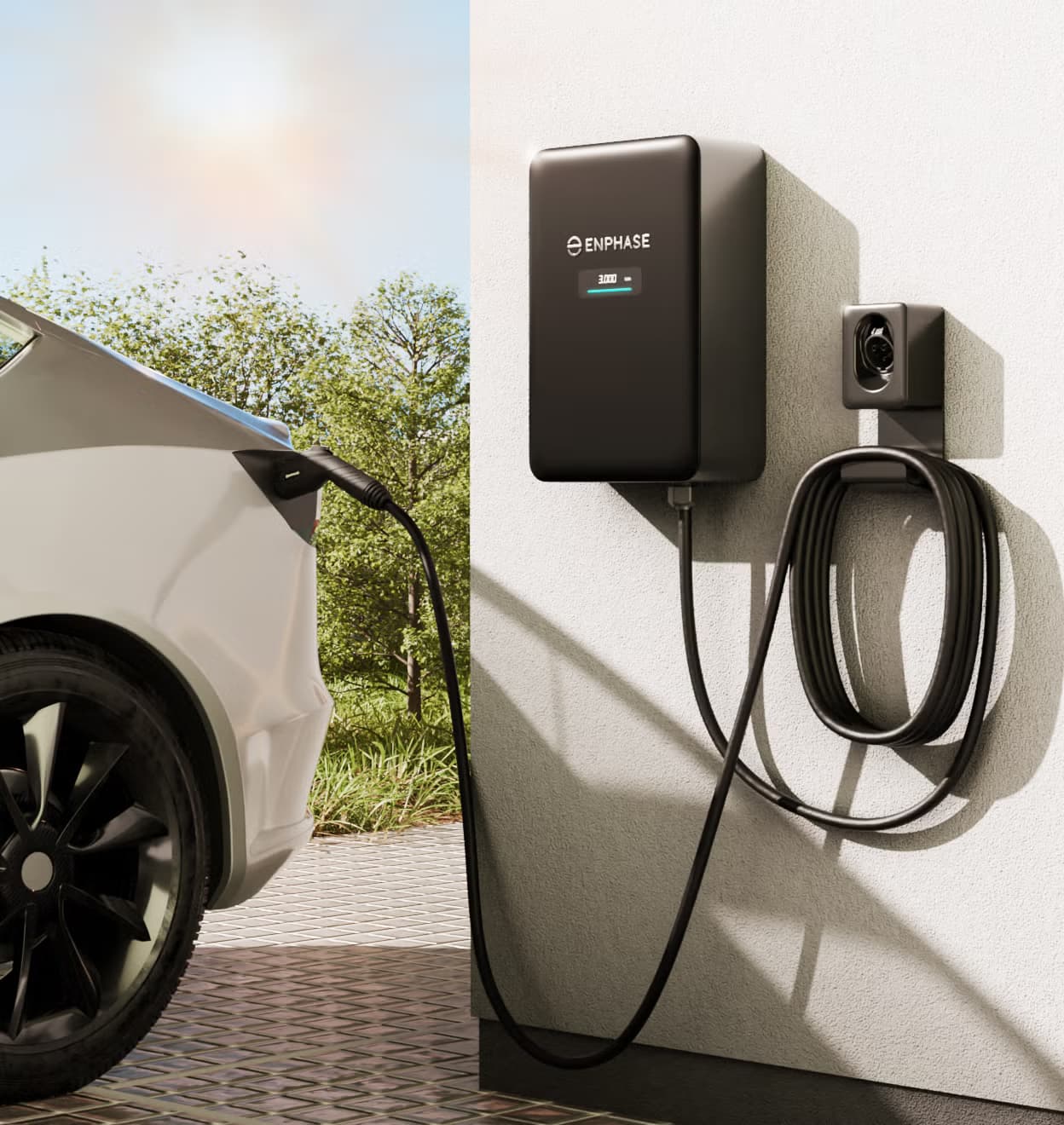
Electric vehicle charging solar systems let homeowners cut their environmental impact and reduce costs over time. By making your own electricity from the sun to power your EV, you avoid using grid electricity and gasoline. This creates a cycle of clean energy that makes your daily drive more sustainable.
The numbers show why this matters. Solar-powered EV charging systems cut greenhouse gas emissions by 87.5%. Emissions drop from 15,330 kg CO2 per year with grid charging to just 1,917 kg CO2 per year. This is like removing several gas vehicles from the road.
Understanding the Environmental Advantages
Solar panels make electricity with very low environmental impact. Residential solar panels put out about 41 grams of CO2 equivalent per kilowatt-hour. This is much less than natural gas or coal. Most panels offset their emissions in the first 2-3 years and then keep making clean power for years after that.
When you combine an electric vehicle, solar panels, and a battery system, you lower your charging costs and further shrink your impact on the environment. You use less grid power, which still relies on fossil fuels, and instead make your own power on-site.
This change also benefits air quality. By removing emissions from both your car and your home's electricity, you help keep the air cleaner in your area. Oregon still gets about 25% of its power from sources that pollute. Installing solar helps you use less fossil fuel for decades. The emission reductions over the life of a solar system can match planting a forest of trees.
Evaluating the Financial Benefits
The financial savings of solar-powered EV charging are clear. Homeowners who use solar for EV charging save about $1,847 per year on average. A 6 kW solar system usually produces 9,000 to 10,000 kWh each year—enough for a typical house and EV charging.
Charging an EV at home costs about $12.96 for a 72 kWh battery at $0.18/kWh. That's around $0.05 per mile, or about $693 per year for 13,489 miles. Gas vehicles usually cost $1,600 to $2,100 a year for fuel. With solar, you can erase even the charging cost.
Electric Vehicle Charging Solar: The Path to a Greener Commute
Solar EV charging systems help you control your transportation costs. You won't worry about changing electric or gas prices. Solar panels help you avoid rising energy costs. When you make your own power, your energy rates stay steady.
Solar EV charging is also convenient. You can charge your EV at home with your solar system. No trips to stations or waiting in line—just plug in at home and start each morning with a full battery.
Designing a Home Solar + EV Charging System
The size of your system depends mainly on how much you drive each year. Here's a simple guide: 3,500 miles/year needs about 1 kW of solar, 7,000 miles needs 2 kW, 10,500 miles needs 3 kW, and so on. Most Oregon drivers need about 3-4 kW extra solar to support 10,000 to 15,000 miles per year.
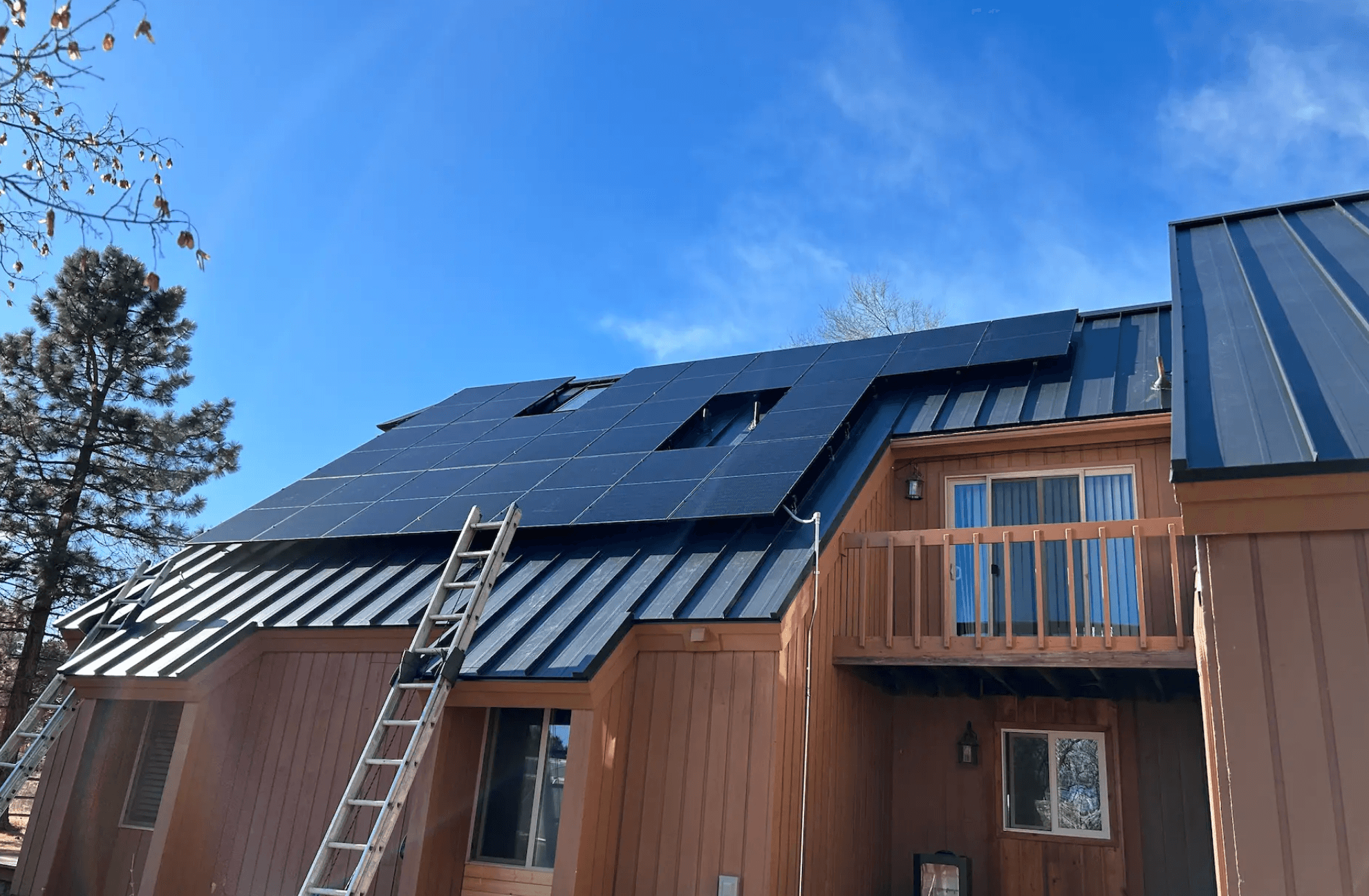
Your roof's shape and direction are important. A good roof is in good condition and faces south without shade. The best angle for solar panels is 30 to 40 degrees. Tall trees or buildings can reduce your solar output.
Your home's electrical system also matters. Your panel must support both the solar inverter and EV charger. Level 2 chargers usually need a separate 240-volt circuit, like an electric oven or dryer.
Involving Local Expertise
Get advice from professionals for the most accurate assessment. Solar installers often give free consultations and detailed cost and savings estimates.
An experienced local contractor can help you with Oregon’s rules and utility requirements. Each utility is different. A local installer will know these details and handle permitting for you.
National Solar is a top-rated contractor based in Bend, Oregon with over 3,000 installs. Their team manages everything from design and permits to installation and support, all in-house.
Maximizing Benefits with Electric Vehicle Charging Solar
You can get more from your solar investment by charging during the day when your panels produce the most electricity (usually from 10 AM to 3 PM). Many EVs and chargers let you set charging times to match your solar output.
Net metering lets you save extra solar power as credits. When your panels make more than you need, you send it to the grid and use those credits later, such as when charging your EV at night. This acts like a virtual battery without buying real storage.
Some Oregon utilities offer payment programs for stored energy. They pay homeowners for letting the utility use stored battery power during high demand times, giving you extra income.
Battery Storage: Security and Independence
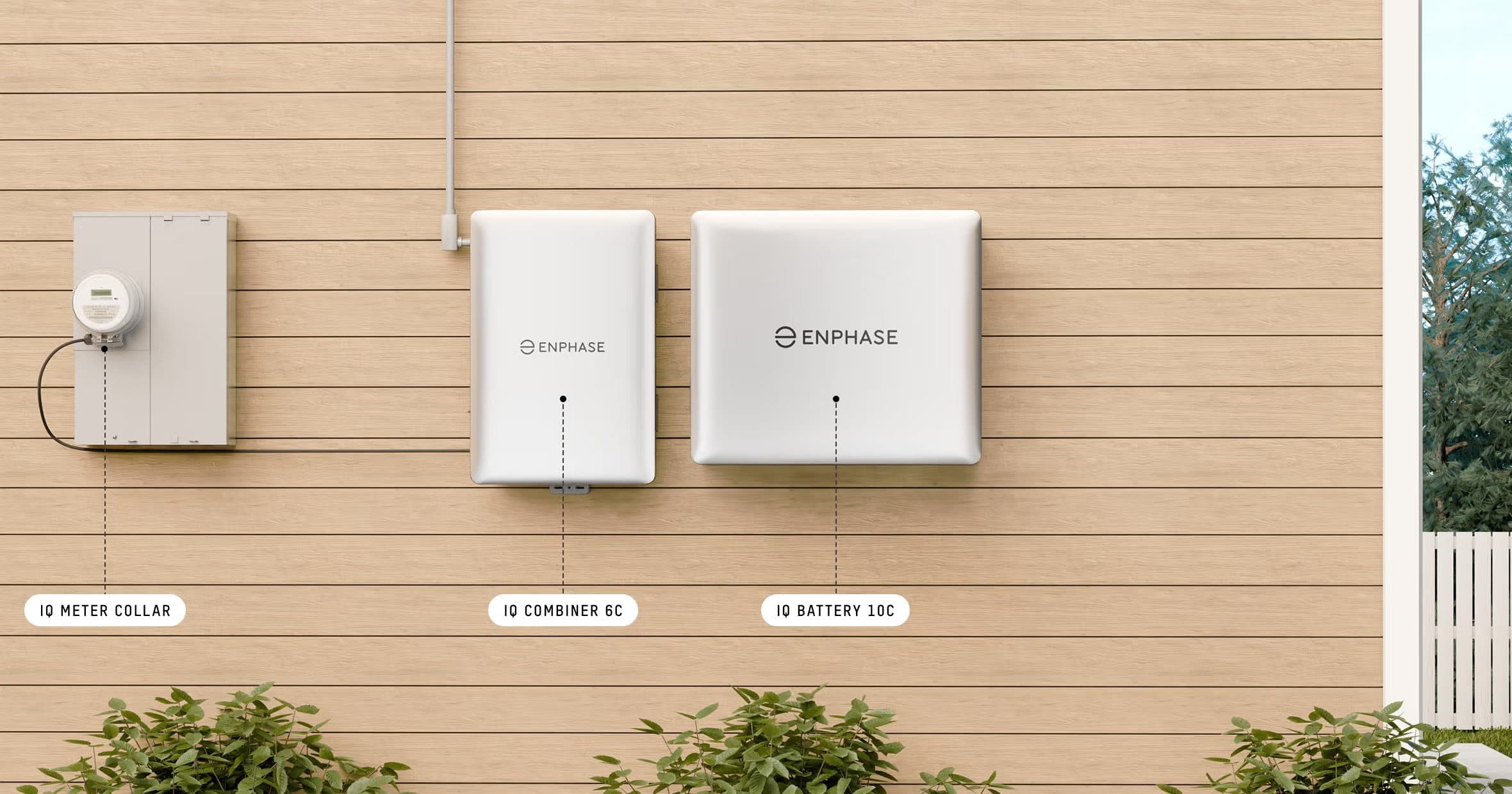
Adding a battery to your solar EV system brings more benefits. You get energy even when the grid is down, at night, or when the sun isn’t shining. A battery backup keeps your lights and EV running during outages.
A battery system can restore power to your home almost instantly after a failure. During a power outage, you can run basics like your EV charger, lights, phones, and fridge. This is useful, especially in rural areas with frequent outages.
Nighttime charging is independent when you have a battery. Store extra daytime solar in your battery and use it at night. This lowers the need for grid electricity.
To charge your EV, systems usually need 20-40 kWh of battery storage on top of household needs. Battery storage can give 66.4 hours of backup power, helpful during long periods without sun.
Planning for Future Expansion
Plan your system for future needs. Many families add a second EV within a few years. Make sure your solar system and electrical setup can support this without major changes.
Think about your long-term energy plans. If you want to add things like a heat pump or hot tub, include those in your initial setup. It costs less to plan now than to upgrade later.
Technology keeps improving. Panels, inverters, and batteries get more efficient each year. A good system design lets you upgrade parts as needed without replacing everything. Battery systems can often be expanded as your needs grow.
Drive Forward with Renewable Energy
Solar EV charging systems help you lower emissions by 87.5%, remove fuel costs, and protect you from rising utility rates for years. This is a long-term, sustainable solution that saves money each year.
It’s a simple path forward. National Solar USA can help Oregon homeowners combine solar with EV charging. Their local team designs systems for your property, driving, and energy goals. You can get a free consultation to see how solar EV charging can improve your home and commute.
Written by
National Solar Team
Bend, OR